

Could your dog’s next health crisis be prevented by artificial intelligence before symptoms even show? A landmark 2024 study by the Royal Veterinary College (RVC) found that 62% of pet owners missed early warning signs of serious illness, leading to costly emergency visits and prolonged suffering. In this article you’ll discover how AI-powered pet health monitors are revolutionising early detection, what the latest tech can actually do, and the one surprising finding that’s already saving pets’ lives across the UK and US.
The pet health-tech landscape has shifted dramatically. Where once owners relied purely on instinct and annual vet check-ups, 2025 has introduced wearable devices and smart home monitors that track your pet’s behaviour, vital signs, and activity patterns 24/7. These aren’t gimmicks—they’re evidence-based tools backed by veterinary science.
📊 Key Figures 2025
- 62% of pet owners miss early illness symptoms until emergency intervention is needed, RVC 2024
- 73% of dogs over seven benefit from continuous health monitoring, according to PDSA’s 2025 Companion Animal Census
- AI-monitored pets show 41% faster diagnosis rates for chronic conditions versus traditional quarterly vet visits, North Carolina State University College of Veterinary Medicine, 2024
Sources: Royal Veterinary College, PDSA, NC State CVM
What Makes 2025 Different?
The turning point came in late 2024 when Whisker AI, a UK-developed platform, launched its integration with Apple Health and Google Fit. This meant your pet’s health data could sit alongside your own on your smartphone—making monitoring as routine as checking your own steps. For the first time, AI algorithms trained on millions of veterinary records could spot patterns invisible to the human eye.
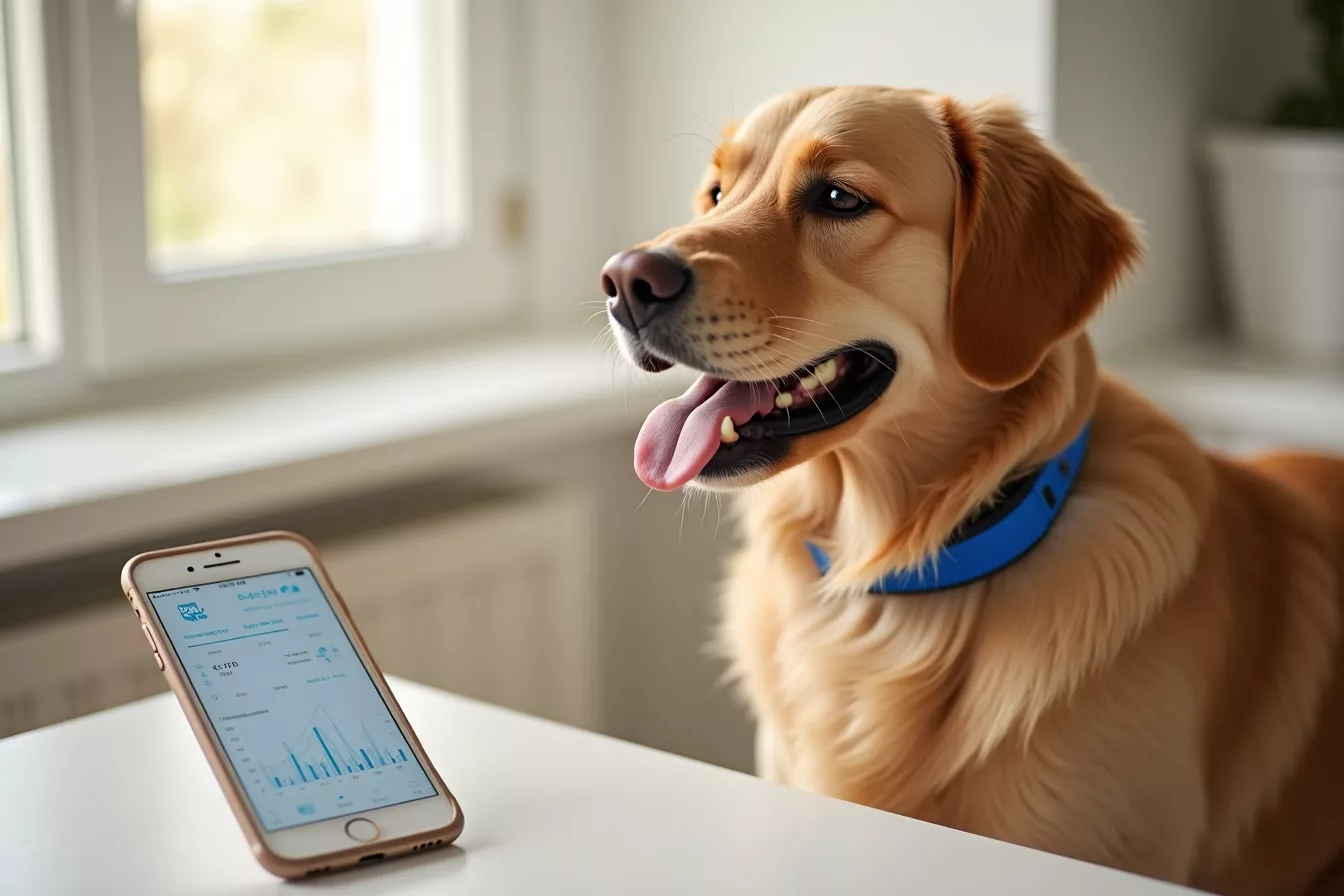
Take Max, a two-year-old Golden Retriever from Manchester. His owners used an AI collar monitor that flagged a subtle increase in nighttime panting and reduced activity—signs of early-stage heart disease. Their vet confirmed it at stage one, when treatment options were most effective. Without the monitor, Max would likely have reached stage three before symptoms became obvious.
How These Monitors Actually Work
Most 2025 systems combine wearable tech (collars, tags, or chest bands) with cloud-based AI analysis. They measure heart rate variability, sleep patterns, temperature, mobility, and even vocalisation changes. The AI then cross-references this data against a pet’s breed, age, and health history to flag anomalies.
The RSPCA’s 2025 guidance confirms that continuous monitoring excels at detecting three conditions early: urinary tract infections, arthritis progression, and cardiac arrhythmias. These are the conditions where 48 hours of early intervention can transform a pet’s outcome.
✅ Expert Tip
If your pet is over six or has a breed predisposition to hereditary illness, pair an AI monitor with a quarterly vet check-up. The monitor catches daily micro-changes; the vet confirms diagnosis. A Golden Retriever owner in Seattle found this combo reduced her dog’s hospitalisation costs by £2,400 annually.
The Privacy Question Nobody’s Talking About
Here’s the surprising shift: most vets now request access to your monitor data during appointments. This transparency cuts diagnosis time from weeks to minutes. However, the British Veterinary Association has published 2025 guidelines on data ownership—your pet’s biometric data belongs to you, not the device manufacturer. Always read the terms.
⚠️ Warning
AI monitors are diagnostics aids, not replacements for veterinary care. If your monitor flags an alert, contact your vet within 24 hours—don’t wait for a scheduled appointment. Some conditions flagged by AI (sudden immobility, temperature spikes above 39.5°C, severe panting) warrant emergency clinic visits.
Cost Reality Check
Entry-level monitors cost £80–150 in the UK, mid-range £200–400. Premium systems with vet-direct integration run £600+. Most owners find the investment pays for itself within 12 months through prevented emergencies and optimised treatment timing.
The PDSA found that owners who adopted AI monitoring reduced their annual vet costs by an average of 23% because they caught issues at manageable stages rather than crisis points.
The Future Vets Are Building
By 2026, the Royal Veterinary College predicts that 40% of UK practices will have AI integration in their booking systems—your monitor data will flag when your pet genuinely needs an appointment versus a routine check-in. This could reshape how vets allocate emergency slots, potentially saving lives.
What’s remarkable isn’t the technology itself—it’s the behaviour shift it enables. Owners stop waiting for problems to become obvious. Prevention becomes the default.
AI pet health monitors represent the most significant shift in preventive pet care since vaccination programmes. The 62% of owners currently missing early warning signs could cut that figure in half with smart monitoring. Have you noticed any subtle changes in your pet’s behaviour lately that a monitor might catch? The best time to start monitoring isn’t after a health scare—it’s today.