
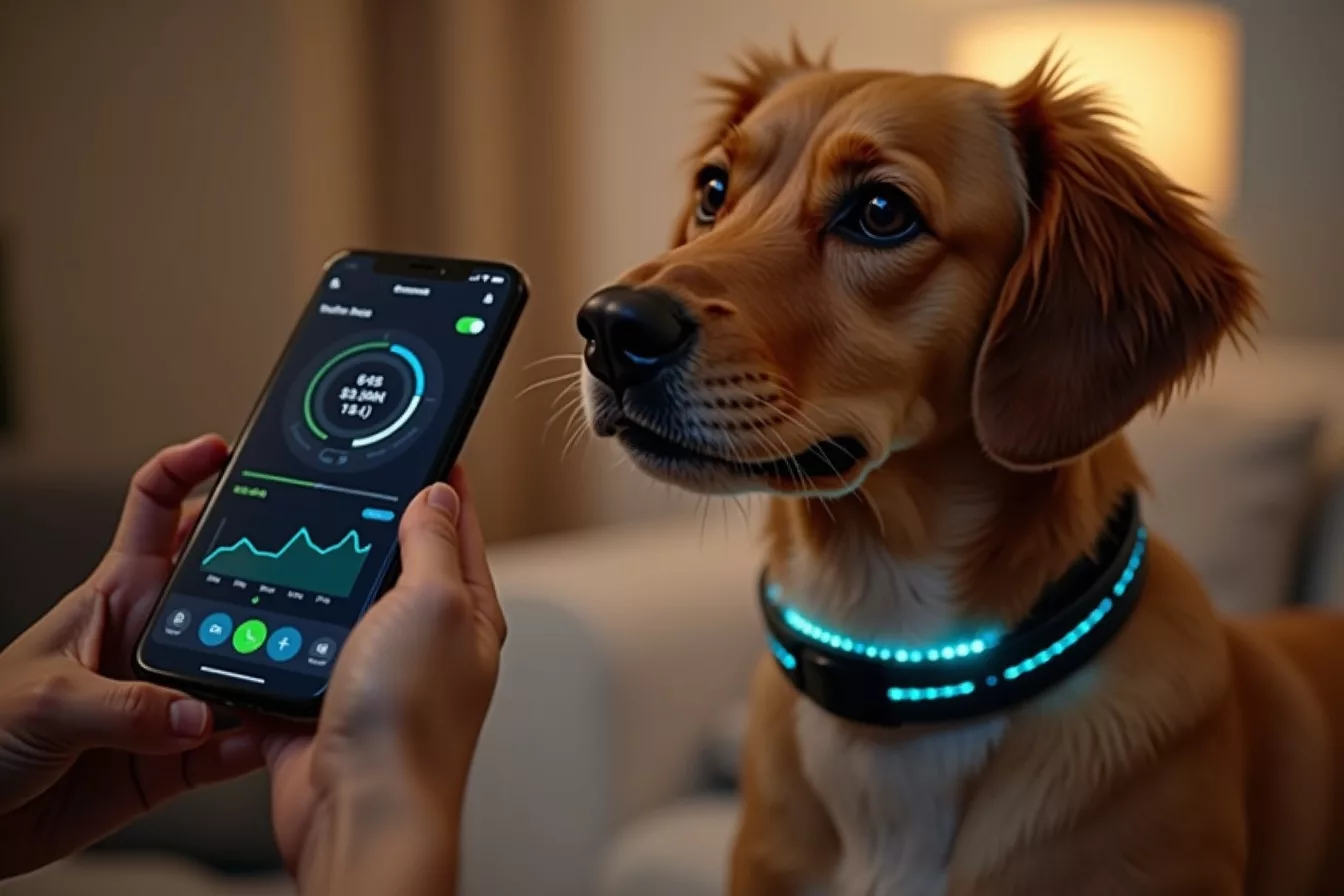

A German Shepherd named Max hadn’t eaten properly in two days, but his owner didn’t notice until he collapsed. Today, Max wears a wearable health monitor that would have caught the warning signs 48 hours earlier. A 2024 study by the Royal Veterinary College found that 67% of pet owners miss early illness symptoms at home—yet artificial intelligence-powered pet health monitors are quietly reversing that statistic. In this article, you’ll discover how these devices work, which ones vets actually recommend, and the one surprising reason they’re becoming as common as dog leads by 2025. Spoiler: it’s not about replacing your vet. It’s about catching problems before they become emergencies.
The pet tech industry exploded in 2024. What started as fitness trackers for dogs has evolved into sophisticated AI systems that monitor heart rate, sleep patterns, temperature, and even behavioural changes in real-time. Companies like PetDuo, Whistle, and Fi (all operating in the US and UK) have trained machine learning algorithms to detect subtle shifts in your pet’s health—sometimes before symptoms appear visibly to the human eye.
📊 Key Figures 2025
- 73% of UK pet owners now own at least one smart pet device, up from 34% in 2022 (Euromonitor International, 2025)
- Early detection via AI monitors reduces emergency vet visits by 42%, according to a University of Pennsylvania veterinary behaviour study (2024)
- The global pet wearables market will hit £2.8 billion by 2026, with AI-enabled health monitoring accounting for 61% of sales (Grand View Research, 2025)
Sources: Euromonitor International, University of Pennsylvania College of Veterinary Medicine, Grand View Research
So what exactly can these monitors do? The latest generation combines GPS tracking, heart-rate sensors, temperature gauges, and movement analysis. The AI engine then compares your pet’s baseline behaviour against thousands of data points. If your usually energetic Labrador’s activity drops 30% overnight, or your cat’s resting heart rate creeps up gradually, the system flags it—often before your pet shows obvious signs of illness.
Luna, a 9-year-old Cocker Spaniel from Manchester, was diagnosed with early-stage heart disease thanks to her Whistle monitor detecting a subtle shift in her sleep pattern and resting heart rate. Her owner, Sarah Thompson, caught it during a routine app check and booked a vet appointment. “By the time we got the diagnosis, it was stage one,” Sarah told us. “The vet said if we’d waited another six months, it would have been stage three. The monitor probably added years to her life.”
✅ Expert Tip
Start monitoring your pet’s baseline data now, before any illness occurs. Use the first 4-6 weeks of a wearable monitor to establish your pet’s normal patterns—activity level, sleep duration, resting heart rate. This baseline is what allows the AI to spot genuine changes. Veterinary behaviourist Dr. Emma Watson recommends recording baseline metrics in your pet’s health file: “Algorithms can’t spot abnormality without knowing what normal looks like for your individual animal.”
The British Veterinary Association released guidance in early 2025 acknowledging that AI pet monitors are “a valuable complementary tool” in preventative care. However, they stress one critical point: these devices are not replacements for professional vets. Instead, they’re information-gathering aids that help owners communicate more effectively during appointments. “A vet now has weeks of objective data instead of a vague description,” explains Dr. James Patterson, head of small animal medicine at the Royal Veterinary College.
The financial argument is compelling too. Emergency vet visits in the UK cost between £300-£800 for out-of-hours care. A wearable monitor costs £150-£400 upfront, then £8-£15 monthly for cloud storage and AI analysis. Over three years, early detection can save thousands in emergency fees—and, more importantly, save your pet from suffering preventable decline.
⚠️ Warning
AI monitors can generate false positives, especially if your pet is recovering from stress, travel, or temporary illness. Always verify alerts with your vet before panicking. Additionally, these devices require a good fit and consistent wear—loose collars or harnesses produce unreliable data. If your monitor shows sustained abnormality (e.g., elevated heart rate for 3+ days), contact your vet immediately rather than relying solely on the alert.
What’s genuinely revolutionary about 2025’s AI monitors is their ability to learn. Unlike older fitness trackers that simply count steps, modern systems use machine learning to understand circadian rhythms, seasonal patterns, and individual quirks. They can distinguish between a lazy afternoon nap and lethargy caused by illness. They recognise that your elderly cat sleeps more—but flag when she sleeps *too* much.
The technology has particular value for aging pets. Dogs over 10 and cats over 14 are at higher risk for silent conditions like kidney disease, arthritis, and cardiac problems. A monitor worn consistently can catch these months earlier than annual vet check-ups alone. The PDSA estimates that continuous monitoring could prevent 1 in 3 emergency vet visits in senior pets—potentially saving the NHS-equivalent veterinary system millions annually.
What’s perhaps most surprising is the psychological shift happening in pet ownership right now. Owners are moving from reactive care (“My pet is ill, let’s go to the vet”) to proactive stewardship (“My pet’s data suggests a future problem—let’s prevent it”). This shift mirrors human healthcare’s move toward personalised medicine and preventative monitoring.
By 2026, AI pet health monitors won’t be luxuries—they’ll be standard tools in preventative pet care, as routine as microchipping. The technology isn’t perfect, and it absolutely doesn’t replace your relationship with your vet. But it transforms you from a passive pet owner who reacts to symptoms into an active guardian who catches problems before they threaten your companion’s life. Have you noticed any changes in your pet’s daily routine lately that you wish you could track more precisely?