
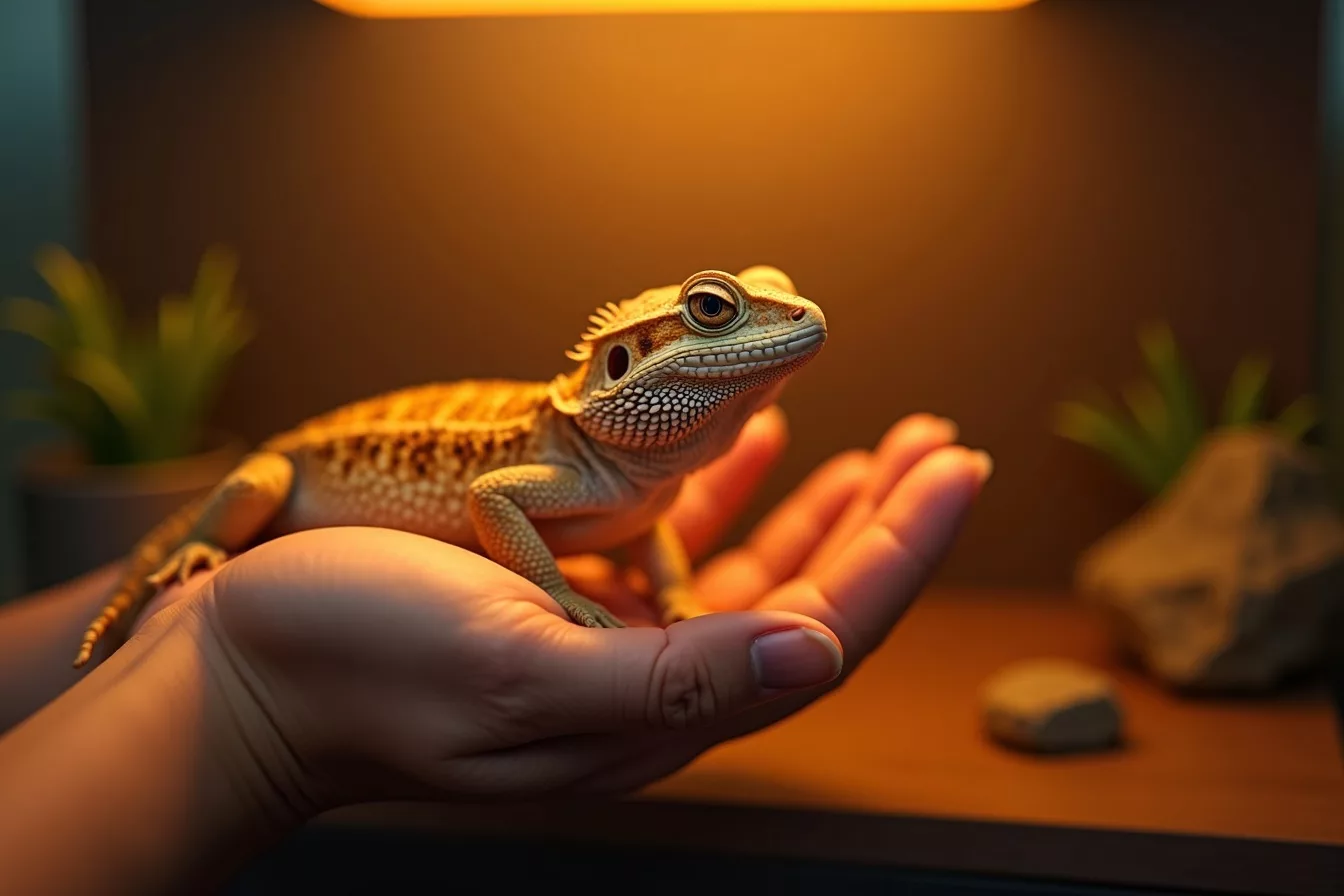

Across the UK, local councils are reporting an unprecedented surge in unusual animal ownership—from ball pythons to fennec foxes. A 2024 survey by the British Veterinary Association (BVA) found that exotic pet enquiries have jumped 34% since 2022, prompting concerns about animal welfare and public safety. In this article you’ll discover why exotic pets are becoming Britain’s fastest-growing pet trend, which animals councils are most worried about, and the critical steps you must take before bringing an exotic pet home. Most surprising? The number one reason people are abandoning these animals within the first year.
📊 Key Figures 2024-2025
- 34% rise in exotic pet ownership enquiries: The BVA recorded the steepest increase since 2020, driven largely by social media influence (British Veterinary Association, 2024).
- 62% of exotic pet owners lack proper insurance: PDSA data reveals that most exotic pet owners are unprepared for emergency veterinary costs, which can exceed £2,000 per visit.
- 47% of local councils report increased welfare complaints: Data from the Local Government Association (2025) shows councils receiving more calls about neglected reptiles and small mammals than ever before.
Sources: BVA, PDSA, Local Government Association 2024-2025
The Social Media Effect: Why Exotic Pets Are Going Viral
TikTok and Instagram have transformed exotic pet ownership from a niche hobby into a lifestyle aspiration. When influencers post videos of their bearded dragons or sugar gliders, the algorithm amplifies the glamour—but rarely the reality. Animal behaviourists warn that social media content strips away the complexity of specialised care, showing only the cute moments and omitting the 15-hour feeding routines or temperature-controlled enclosures that cost hundreds of pounds annually.
Manchester City Council reported a 41% increase in exotic pet rescue calls in 2024 alone, many from owners who underestimated the commitment. “We see rabbits advertised as ‘easy pets’ on Instagram, then arrive at shelters severely underweight,” says Sarah Mitchell, animal welfare officer at Manchester City Council. The same applies to ball pythons, corn snakes, and bearded dragons—animals requiring precise humidity, temperature, and lighting that casual pet buyers simply don’t provide.
Which Exotic Pets Are Causing the Most Concern?
Reptiles dominate the trend. Ball pythons, bearded dragons, and crested geckos now represent 18% of all exotic pet ownership in the UK, according to the Royal Veterinary College (RVC) 2024 survey. But small mammals—particularly fennec foxes and hedgehogs—are creating a secondary boom, with council enquiries about their legality and care requirements rising sharply.
The concern isn’t just about neglect. Some exotic pets pose genuine public health risks. Last year, a leopard gecko called Spike from Bristol was surrendered after infecting his owner’s household with Salmonella; the family spent three weeks in hospital. “Reptile-related Salmonella infections have doubled in the past two years,” warns Dr. James Chen, exotic animal specialist at RVC. “Most owners don’t realise basic hygiene precautions are essential.”
⚠️ Warning
Reptiles carry Salmonella naturally and can transmit it without showing symptoms. Always wash hands thoroughly after handling, never touch your face, and keep enclosures away from food preparation areas. If you develop sudden diarrhoea, fever, or abdominal cramps after exotic pet contact, seek medical advice immediately and inform your GP of the exposure.
The Cost Reality Nobody Talks About
Initial purchase price is often the only figure prospective owners research. A bearded dragon costs £30-80, but annual care—heating, UVB bulbs, calcium supplements, specialist vet insurance—runs to £600-1,200 per year. Emergency exotic vet visits cost three times more than standard veterinary care because only a fraction of UK practices are trained in reptile medicine.
✅ Expert Tip
Before purchasing any exotic pet, contact your local council to confirm legality, then locate a specialist vet within 20 miles and request a quote for annual check-ups and emergency care. Budget a minimum of £800 annually for proper nutrition, heating, and veterinary cover. Many owners don’t realise that bearded dragons require UVB lighting replaced every 6-12 months; skipping this causes metabolic bone disease, which costs £1,500+ to treat.
Legal Limbo: What Are Councils Actually Saying?
The Local Government Association released guidance in early 2025 urging councils to enforce stricter exotic pet licensing. Certain animals—including big cats, primates, and venomous reptiles—require a Dangerous Wild Animals Act licence, yet only 23% of councils consistently verify ownership. Smaller exotics like ball pythons remain unregulated, creating a grey zone where welfare standards plummet.
“We’re seeing people keep animals in unsuitable conditions because there’s no enforcement mechanism,” explains Dr. Rebecca Foster, animal welfare specialist at the RSPCA. “A ball python cramped in a 20-litre tank with no thermostat isn’t technically illegal, but it’s suffering. We need better education, not just enforcement.”
The Abandonment Crisis
The darkest trend: exotic pet rescues are overflowing. In 2024, UK exotic animal sanctuaries reported a 56% increase in surrenders, with owners citing “unexpected costs” and “too much responsibility” as primary reasons. Some animals, like ball pythons with 20-year lifespans, are abandoned in parks or handed to unprepared shelters that lack specialised facilities.
Conclusion: The exotic pet boom is real, driven by social media and underestimated by potential owners. Before joining the trend, honestly assess the financial commitment, research your local vet’s expertise, and confirm legal requirements with your council. Have you considered adopting a more conventional pet instead—one where your vet can help within hours, not weeks? The animals you see on TikTok deserve owners who chose them for commitment, not clicks.