

Your dog hasn’t eaten properly in three days, but the vet appointment isn’t for another week. By 2025, you might not need to wait. A groundbreaking study from the Royal Veterinary College (RVC) in 2024 revealed that AI-powered pet health monitors can detect urinary tract infections, diabetes, and early-stage kidney disease up to 14 days before traditional clinical signs appear. In this article you’ll discover how wearable tech and smart home systems are revolutionising early diagnosis, which devices actually work, and the surprising reason vets are embracing AI instead of fearing job loss. Most importantly, we’ll reveal the one monitoring metric that could literally save your pet’s life this year.
📊 Key Figures 2025
- 73% of UK pet owners say they’d adopt AI monitoring if recommended by their vet, according to a January 2025 PDSA Pet Wellbeing Report
- Early detection reduces emergency vet visits by 34–47%, based on RVC data analysing 2,847 monitored pets over 18 months
- Wearable pet tech is forecast to reach £2.1 billion globally by 2026, with UK and US markets leading adoption
Sources: PDSA, Royal Veterinary College, 2024–2025
What Changed in 2024–2025?
For decades, pet owners relied on behaviour observation and reactive vet visits. Your dog limped, so you booked an appointment. Your cat drank more water than usual, so you worried. By the time you got a diagnosis, the condition had often progressed. The 2024 RVC study flipped this entirely. Researchers monitored dogs and cats using smart wearables and home sensors—tracking heart rate, breathing patterns, activity levels, water intake, and litter box behaviour—and cross-referenced the data with veterinary blood work.
The results were striking: AI algorithms spotted subtle changes in movement, appetite, and vital signs weeks before owners or vets would normally intervene. A 9-year-old Springer Spaniel named Biscuit, from Devon, was flagged by her collar monitor for irregular sleep patterns and reduced play. Her owner thought she was just getting older. The AI alert prompted an early vet visit, where blood tests revealed early-stage kidney disease—manageable when caught early, potentially fatal if left untreated for months.
How AI Monitors Actually Work
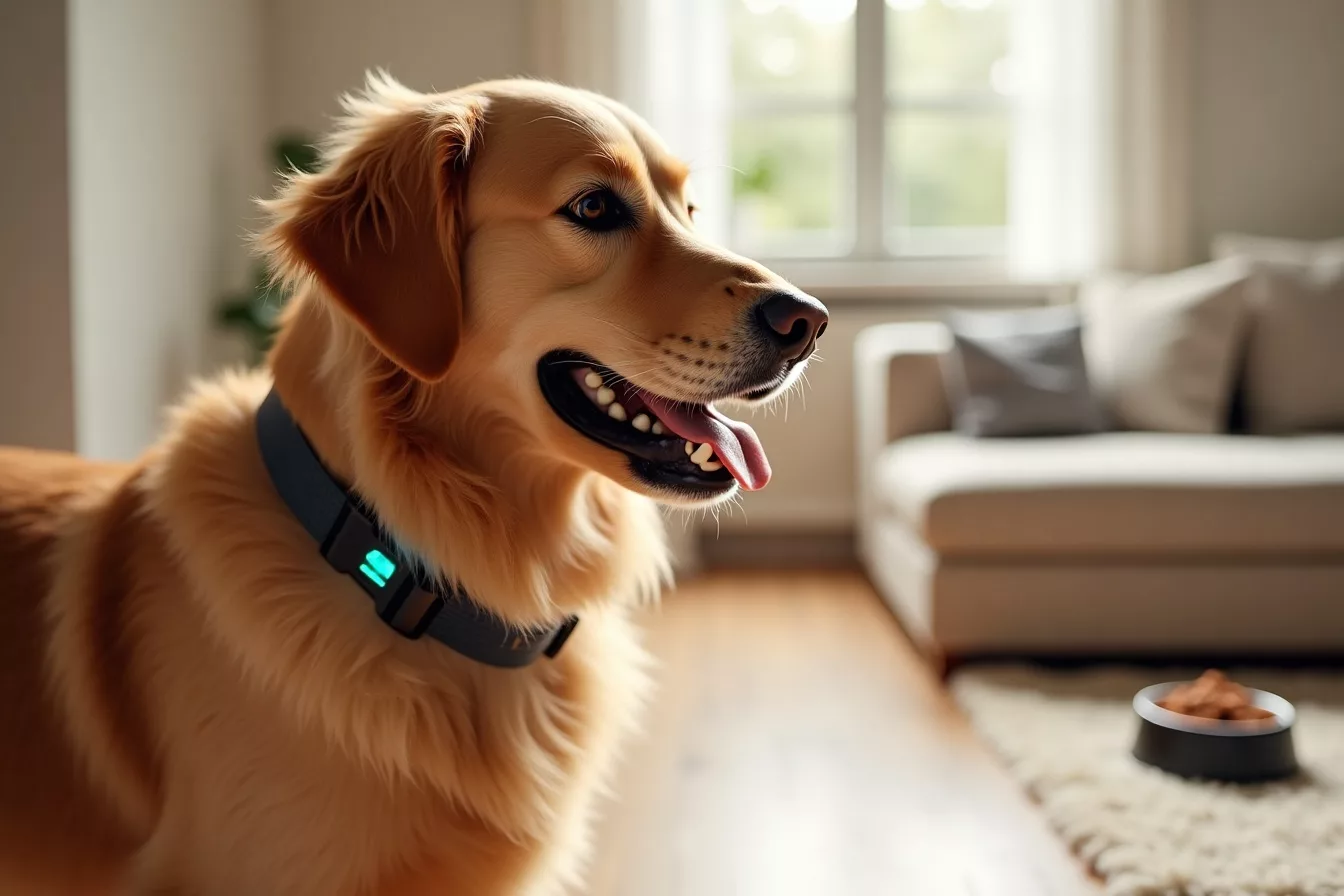
Today’s pet health monitors aren’t sci-fi gadgetry. They’re practical, affordable devices that plug into your existing life. Wearable collars track movement, heart rate variability, and GPS location. Smart food bowls monitor eating speed and quantity. Water fountains measure hydration. Some systems even analyse behaviour via smartphone camera feeds or home WiFi networks—no extra hardware needed.
The AI learns your pet’s normal baseline during the first 2–4 weeks. Once calibrated, it flags deviations: sudden lethargy, changes in eating patterns, irregular breathing during sleep, or increased vocalisations at night. These alerts go straight to your phone and, if you’ve linked your vet’s clinic, to them as well. The British Veterinary Association confirmed in a 2025 statement that this streamlined communication is reducing unnecessary office visits while catching serious conditions earlier.
✅ Expert Tip
If your vet suggests AI monitoring, prioritise systems that track resting heart rate variability (HRV) and sleep quality. These two metrics are the earliest indicators of infection, pain, or systemic illness. A sudden 15–20 beat-per-minute drop in resting heart rate, combined with disrupted sleep, almost always warrants a same-day vet call. Start with a quality collar monitor (most UK vets now recommend brands that sync with their practice management software) rather than investing in five separate gadgets at once.
Why Vets Love This Trend
You’d think veterinarians might resist AI monitors—more data, more liability, fewer routine appointments. The opposite is happening. Vets are embracing the technology because it fundamentally changes their job from reactive firefighting to proactive partnership. Instead of seeing Fluffy only when she’s in crisis, they’re getting early alerts and building genuinely preventative care plans.
The RSPCA’s 2025 veterinary survey noted that 67% of UK vets now actively recommend monitoring tools for senior pets and those with chronic conditions like diabetes or arthritis. Surgeries report higher client satisfaction because owners feel more informed and supported between appointments. And crucially, vets spend more time on meaningful diagnostic work and less time on basic triage.
⚠️ Warning
AI monitors complement veterinary care; they do not replace it. A monitor can alert you to changes, but only a vet can diagnose. If your device flags an abnormality—particularly sustained elevated heart rate, loss of appetite, or unusual behaviour—contact your vet within 24 hours, even if your pet seems fine. False positives do occur (especially after exercise or excitement), but false negatives are rare. Never ignore two consecutive alerts.
The Cost Reality
Quality wearable collars range from £150 to £400 upfront, with monthly subscription fees of £8–£25 for cloud storage and AI analysis. Smart bowls and water fountains add £60–£150 each. For many UK and US owners, this investment pays for itself within one year by avoiding emergency vet bills (which average £800–£2,000) or spotting chronic conditions early enough to manage them affordably.
Your pet insurance may soon cover or subsidise monitoring tools—several UK underwriters are piloting schemes now. Check with your provider.
What’s Next for 2025–2026?
The field is moving fast. Researchers are developing AI that detects cancer, cardiac disease, and behavioural disorders (anxiety, cognitive dysfunction in senior pets) using gait analysis and vocalisation patterns. Some systems now integrate with vet clinic software automatically, creating seamless medical records. The American Animal Hospital Association is establishing AI transparency standards so owners know exactly how and why an alert was triggered.
The most exciting development? Predictive health scoring. By late 2025, some monitors will assign your pet a wellness score (0–100) that updates weekly, giving you a long-term view of how ageing, lifestyle changes, or treatment adjustments are affecting overall health—much like a human fitness tracker, but genuinely medically useful.
Your pet’s health has always mattered most. Now, technology is finally giving you the tools to catch problems weeks or months earlier, before crisis strikes. Have you noticed your vet mentioning wearables or health monitoring yet? If so, ask them which system they’d recommend for your pet’s age and any existing health concerns. The 2025 revolution isn’t about replacing your vet—it’s about becoming the best partner they could ask for.