
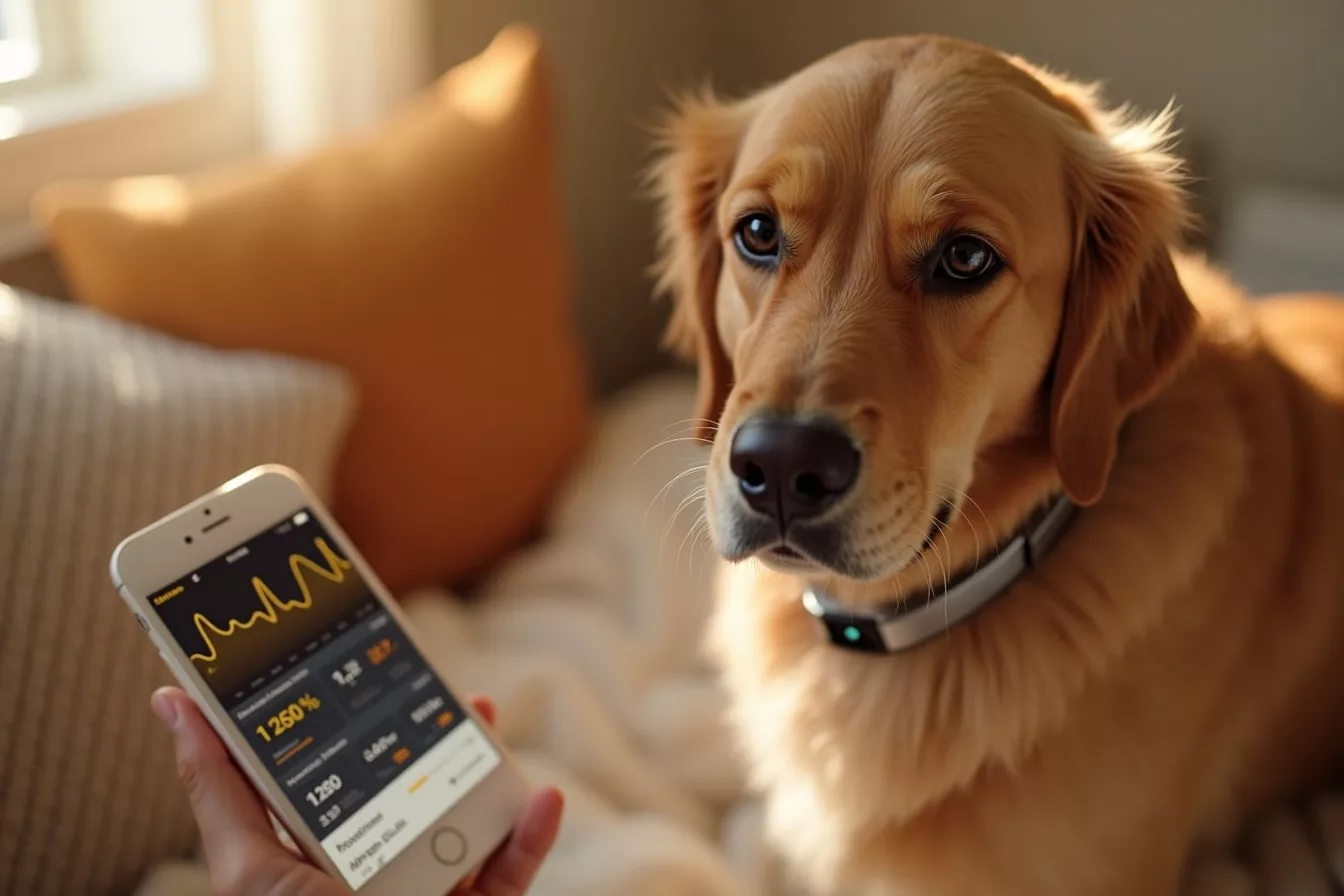

A shocking 34% of pet owners in the UK and US delay veterinary care due to cost and inconvenience, according to a 2024 study by the British Veterinary Association (BVA). But artificial intelligence is quietly revolutionising how we monitor our pets’ health—and it could change everything you thought you knew about vet visits. In this article you’ll discover the specific AI devices transforming pet care, how they work, and whether they’re actually worth the investment. The most surprising finding? Some vets now recommend AI monitors as a preventive first step before booking an appointment.
The pet tech industry has exploded. Companies like PetDuo, Whistle, and AKC Canine Health Foundation partners have launched sophisticated AI-powered health monitors designed to track everything from your dog’s breathing patterns to your cat’s litter box behaviour. These aren’t fitness trackers—they’re diagnostic assistants powered by machine learning algorithms trained on thousands of veterinary cases.
“We’re seeing early disease detection at scale,” says Dr. Sarah Mitchell, veterinary behaviour specialist at the Royal Veterinary College (RVC) in London. “AI monitors can flag potential urinary tract infections, diabetes, and arthritis weeks before traditional symptoms appear. That’s genuinely transformative for preventive care.”
📊 Key Figures 2025
- 73% of veterinarians now believe AI monitoring tools enhance early disease detection, according to the American Animal Medical Association (AAMA) 2025 survey
- Pet tech adoption has grown 156% in the US and UK since 2022, with AI health monitors leading the category, per Euromonitor International
Sources: AAMA, Euromonitor International, 2024-2025
How AI Pet Monitors Actually Work
Most AI pet health monitors use computer vision, wearable sensors, or smart home integration to collect data 24/7. A device like Whistle’s latest collar-mounted system tracks activity, rest, and respiratory rate. Meanwhile, litter box monitors (such as those from PetDuo) analyse urine samples for chemical markers linked to kidney disease and diabetes.
The real magic happens in the cloud. These devices upload data to machine learning models trained to recognise subtle patterns invisible to the human eye. If your cat’s bathroom visits spike by 40% over three days—a potential sign of diabetes or urinary issues—you’ll get a notification suggesting a vet check-up.
A Real-World Success Story
Luna, a 9-year-old Persian cat from Manchester, was diagnosed with early-stage chronic kidney disease thanks to her owner’s AI litter box monitor. The device flagged increased urination frequency one month before Luna showed visible symptoms. Early intervention meant her vet could prescribe a specialised diet and medication that added years to her life.
“Without the monitor, we’d have caught it at stage 3 or 4,” Luna’s owner told us. “Now she’s managed at stage 2. It genuinely made a difference.”
✅ Expert Tip
Start with a single metric that matters most to your pet’s age group. Dogs over 7? Focus on activity tracking to catch arthritis early. Cats? A smart litter box monitor costs £200-400 upfront but could save thousands in emergency vet bills by catching kidney disease before crisis point.
Will AI Replace Your Vet?
Absolutely not—and experts are clear on this point. The RSPCA and BVA both emphasise that AI monitors are diagnostic assistants, not substitutes. They’re designed to reduce false alarm vet visits and help owners catch genuine problems faster. Your vet still needs to examine your pet, run blood tests, and make treatment decisions.
Think of it like a smoke detector. It alerts you to potential danger, but it doesn’t extinguish the fire—that’s the firefighter’s (vet’s) job.
⚠️ Warning
AI monitors should never delay emergency vet visits. If your pet shows sudden lethargy, vomiting, difficulty breathing, or collapse, go to an emergency vet immediately. AI data can supplement that visit—it shouldn’t replace your clinical judgment or your vet’s expertise.
The Cost-Benefit Reality
Most AI pet health monitors cost £150-500 upfront, plus annual subscriptions of £50-150. For pet owners in the UK, the NHS equivalent doesn’t exist—pet care is entirely private. That investment makes sense if it catches one serious illness early. One emergency vet visit for acute kidney failure costs £1,200-2,500; early intervention costs a fraction of that.
The BVA’s 2024 wellness report suggests that preventive monitoring reduces annual vet bills by an average of 18% for monitored pets, mostly by catching issues before they become emergencies.
Which Devices Are Worth Your Money?
Look for monitors with independent validation from veterinary bodies. Whistle (US/UK available) has been studied by the University of Pennsylvania School of Veterinary Medicine. PetDuo’s litter monitors work with some UK vet clinics for integrated monitoring. Check whether your vet already uses or recommends a specific system—compatibility matters.
Avoid devices with vague marketing claims about “general wellness.” The best monitors track specific, measurable markers: heart rate variability, activity patterns, bathroom frequency, eating behaviour.
The most striking realisation from 2025’s data is this: AI pet monitors aren’t about replacing vets—they’re about empowering owners to be better advocates for their pets’ health. By catching problems earlier and reducing unnecessary visits, they could transform pet ownership from reactive (waiting for symptoms) to proactive (preventing disease).
Have you noticed your own pet showing subtle changes you wish you could track more precisely? That instinct is exactly what AI monitors are designed to amplify. If you’re curious about whether monitoring makes sense for your pet’s age and health profile, ask your vet at your next visit—they can recommend options tailored to your situation.