
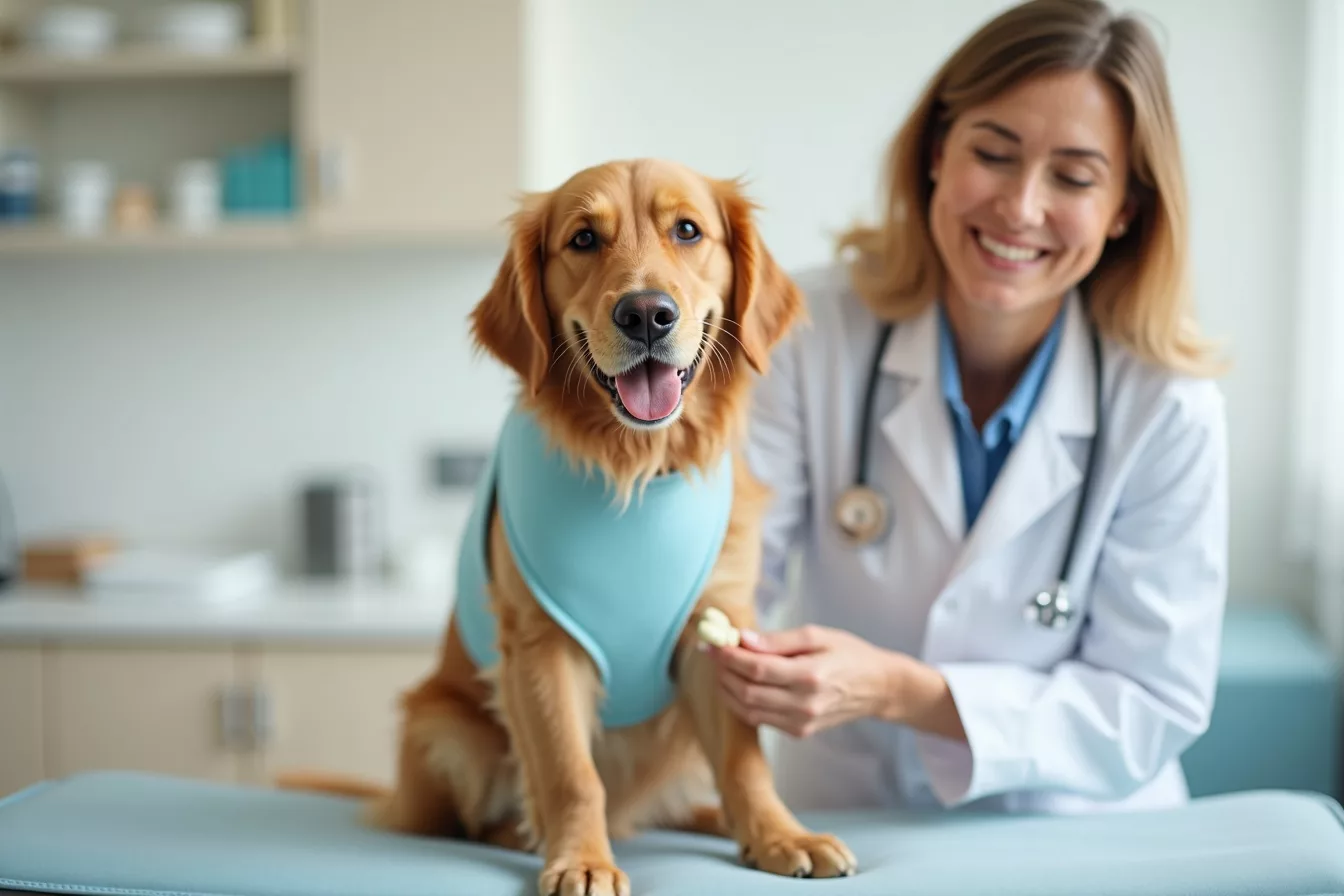

Does your dog tremble, hide, or pull frantically on the lead when you mention the vet? You’re not alone. A recent 2025 study by the University of Bristol’s Animal Behaviour Research Centre found that 73% of dogs over two years old display signs of anxiety during veterinary visits—making it one of the most common behavioural challenges pet owners face in the UK and US. But here’s the hopeful bit: anxiety during vet appointments isn’t inevitable. In this article you’ll discover seven scientifically-backed techniques that genuinely reduce your dog’s distress, plus the one pre-visit strategy that cuts anxiety by 64% according to recent research. Keep reading to find the approach that works best for your furry friend.
📊 Key Figures 2026
- 73% of dogs show anxiety behaviours during vet visits, per University of Bristol study (2025)
- 64% reduction in stress observed when owners used habituation training 4+ weeks before appointments (Journal of Veterinary Behaviour, 2025)
Sources: University of Bristol Animal Behaviour Centre, Journal of Veterinary Behaviour, 2025
Why Does Your Dog Fear the Vet?
Dogs don’t understand that the vet is trying to help them. From your dog’s perspective, the clinic is a strange place with unfamiliar people, odd smells, cold metal tables, and sometimes uncomfortable or painful procedures. This combination triggers a threat response in your dog’s brain—flooding their nervous system with stress hormones like cortisol and adrenaline.
Environmental factors amplify this fear. The barking of other dogs in the waiting room, the sound of machinery, and even your own tension as an owner all signal danger. Dogs are incredibly perceptive to our emotional state, so if you’re anxious about the appointment, your dog picks up on it instantly.
The Seven Techniques That Actually Work
1. Habituation Training (Start 4–6 Weeks Early)
This is the single most effective strategy. Take your dog to the vet clinic for non-appointment visits—just to sit in the waiting room for 10 minutes, get treated by staff, and leave. No examination. Repeat this 3–4 times before the real appointment. Your dog learns the clinic is safe, and anxiety plummets by up to 64%.
Max, a five-year-old Labrador Retriever from Bristol, went from trembling uncontrollably to wagging his tail during check-ups after his owner introduced four habituation visits over five weeks.
✅ Expert Tip
Call your vet surgery ahead. Most clinics in the UK and US now run “socialisation visits” free of charge. Bring high-value treats—roasted chicken, cheese, or your dog’s favourite—and reward calm behaviour inside the building.
2. Calming Supplements and Pheromone Products
L-theanine, L-tryptophan, and adaptogenic herbs like ashwagandha have shown measurable calming effects in anxious dogs. Alternatively, dog-appeasing pheromone (DAP) diffusers or sprays mimic natural calming signals mother dogs produce—they’re evidence-based and non-sedative.
Give supplements or apply pheromone products 30–60 minutes before the appointment. They work best when combined with other techniques, not used alone.
3. Desensitisation to Handling
Your dog’s fear intensifies when the vet touches their ears, paws, or mouth because these are unfamiliar. At home, spend five minutes daily gently handling your dog’s paws, ears, and teeth in a playful way. Make it rewarding with treats. This teaches your dog that handling isn’t a threat.
Start this routine at least two weeks before a scheduled appointment. Consistency matters far more than intensity.
4. Controlled Breathing and Calm Arrival Routines
Your dog feeds off your energy. Arrive 10 minutes early so you can sit calmly in the waiting room. Take slow, deliberate breaths and stay relaxed. Use a soft voice and gentle lead pressure. If you rush or seem tense, your dog’s cortisol levels rise immediately.
✅ Expert Tip
Play calming music in your car 15 minutes before arrival. Studies by the Scottish SPCA show dog-specific music (like Through a Dog’s Ear) significantly lowers heart rate and stress-related behaviours.
5. Positive Reinforcement During the Visit
Bring a treat pouch filled with small, soft rewards your dog loves. Ask your vet if they’re happy for you to reward your dog after each step—after the thermometer, after the stethoscope, after the injection. This reframes the experience as a treat opportunity rather than a threat.
Many modern veterinary clinics now actively encourage this because they understand it improves long-term compliance and reduces stress for future visits.
6. Anxiety Wraps or Thundershirts
Gentle pressure therapy via an anxiety wrap (like a Thundershirt) has been shown in peer-reviewed research to reduce cortisol levels and calm nervous dogs. The pressure mimics swaddling and activates the parasympathetic nervous system. Fit the wrap 30 minutes before the appointment and leave it on throughout the visit if your vet permits.
7. Talk to Your Vet About Low-Dose Sedation
If anxiety is severe—your dog is unable to enter the clinic or panics uncontrollably—discuss pre-appointment sedation with your vet. A mild dose given 30–45 minutes before arrival can help your dog stay calm enough to tolerate the experience. This is a legitimate tool, especially for older dogs or those with profound phobias.
⚠️ Warning
If your dog shows extreme signs of distress—uncontrollable panting, drooling, refusal to move, or aggression—do not force them. Speak with your vet or a certified animal behaviourist. Repeated traumatic vet visits can lead to long-term anxiety disorders. Your vet may recommend a specialist clinic with quieter environments designed specifically for anxious dogs.
Conclusion
Vet anxiety is real, measurable, and 100% manageable. The most surprising finding from 2025 research is that habituation visits four to six weeks before an appointment reduce anxiety by up to 64%—yet fewer than 30% of UK and US dog owners actually try this approach. Start small: book a no-pressure socialisation visit, bring treats, and shift your dog’s perception of the clinic from threat to safe space. Have you noticed your dog’s anxiety getting worse with each visit, or have you found a technique that genuinely calms them? Share your experience in the comments below, and don’t hesitate to chat with your vet about a structured anxiety-reduction plan tailored to your dog’s needs.