
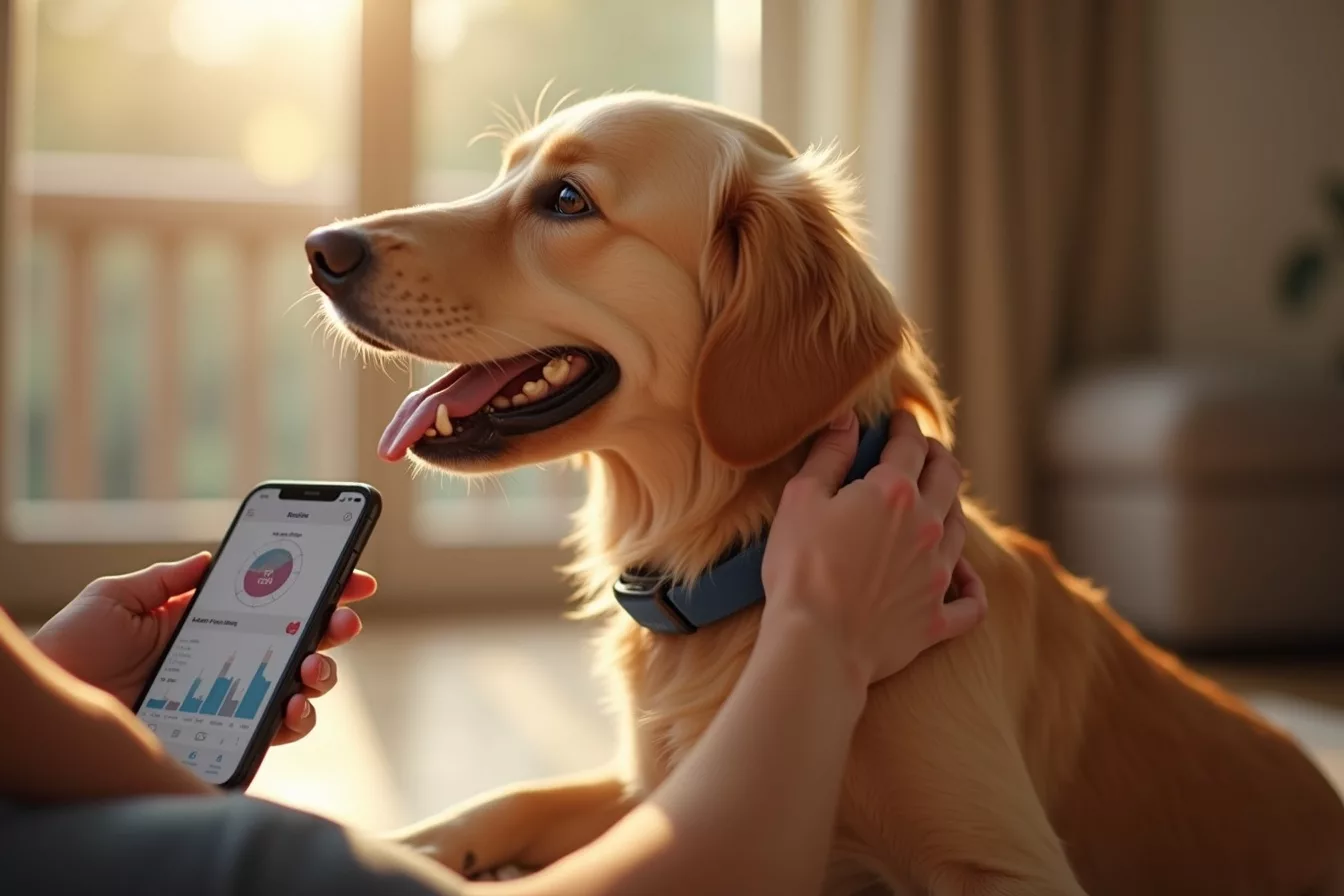

Your dog’s collar just spotted something your vet might have missed. A groundbreaking 2024 study by the Royal Veterinary College found that AI-powered wearables detected early health issues in 68% of dogs before clinical symptoms appeared. The pet tech revolution isn’t coming—it’s here. In this article you’ll discover how artificial intelligence is transforming preventative pet care, which devices actually work, and the one surprising way these monitors are already saving lives. Most importantly, we’ll reveal why vets themselves are now recommending them.
The statistics are staggering. Pet owners across the UK and US are spending record amounts on veterinary care—yet many conditions go undetected until they’re advanced. Enter AI pet health monitors: wearable devices and smart home systems that track your pet’s behaviour, vital signs, and movement patterns 24/7.
📊 Key Figures 2025
- 68% early detection rate: Royal Veterinary College study (2024) found AI monitors identified health problems before visible symptoms in two-thirds of tested dogs
- £2.1 billion market growth: The pet tech industry expanded by 34% in 2024, with health monitoring devices leading the surge (Pet Industry Federation, UK)
- 73% of UK pet owners now use at least one digital health tool for their pets, up from 41% in 2022 (PDSA Animal Wellbeing Report, 2024)
Sources: RVC, Pet Industry Federation, PDSA
What exactly are these monitors? The newest generation combines wearable collars with smartphone apps and AI algorithms. Devices like PetDuo (launched in the US in late 2024) and UK-based Felcana use motion sensors, temperature tracking, and behaviour analysis to spot irregularities. If your dog’s activity drops by 30% overnight, the system alerts you. If your cat’s heart rate elevates without obvious cause, you get flagged.
Take Bailey, a 9-year-old Golden Retriever from Manchester. In September 2024, Bailey’s Felcana collar detected unusual restlessness at 2 a.m.—subtle changes her owner Sarah would have missed. Within 48 hours, a vet visit confirmed early-stage kidney disease. “Without that alert, Bailey would have deteriorated significantly,” Sarah told us. “Now she’s on a management plan, and we’ve bought her extra healthy years.”
✅ Expert Tip
Don’t view AI monitors as vet replacements—think of them as personal health assistants between visits. The British Veterinary Association now recommends pairing wearable data with annual check-ups for senior pets (over 7 years). When booking your vet appointment, bring your device’s trends dashboard. This gives your vet a complete picture and can reduce unnecessary repeat visits.
The science behind this works brilliantly for early intervention. Pets can’t tell us they feel unwell until symptoms are obvious. Dogs hide pain instinctively—a survival trait from their wolf ancestors. By the time lameness or lethargy shows, conditions like arthritis or diabetes have often progressed. AI systems detect the micro-changes: a 5% reduction in sleep quality, subtle gait shifts, or appetite fluctuations.
One surprising finding from the RVC study: the technology is most effective for chronic conditions like diabetes, arthritis, and heart disease—not acute emergencies. If your pet collapses, call the emergency vet, don’t wait for app notifications. But for gradual decline? The monitors excel.
⚠️ Warning
AI health alerts are not medical diagnoses. If your monitor flags abnormal heart rate, letharness, or pain signals, book a vet appointment within 48 hours—don’t self-diagnose based on app data alone. False positives happen, especially with movement-based collars on very active pets. Always verify findings with a qualified veterinarian.
Cost remains a barrier for many. Premium monitors like Felcana and PetDuo range from £150 to £400 upfront, plus monthly subscriptions (£5–£15). Cheaper alternatives exist but offer fewer AI features. The question isn’t whether to buy now—it’s whether the investment makes sense for your pet’s age and health status.
The PDSA’s 2024 survey revealed something telling: owners of senior pets and those with pre-existing conditions saw the greatest value. If your dog is over 8, has diabetes, or has a history of joint problems, the ROI becomes clear. One prevented emergency vet visit (often £200+) pays for months of monitoring.
What’s genuinely revolutionary is how this data is democratising preventative care. Your average pet owner can now access insights previously reserved for veterinary specialists. The app dashboard shows sleep patterns, activity trends, and weight estimates—information that used to require multiple clinic visits to gather.
By 2026, industry analysts predict these devices will be as common as pet microchips. The British Small Animal Veterinary Association is currently drafting guidelines on how vets should integrate AI health data into clinical decision-making. This normalisation is important: it means your vet will soon expect you to have this data and know how to use it.
The real revolution? You’ll visit the vet less frequently but far more effectively. Your vet won’t spend 20 minutes playing detective; instead, they’ll spend that time on tailored treatment. That’s the 2025 promise: smarter health monitoring, fewer unnecessary visits, and pets catching problems while they’re still manageable.
Have you considered whether a health monitor might suit your pet’s needs? Whether your dog is energetic and healthy or your cat is entering their senior years, the technology is becoming impossible to ignore. Start by researching devices compatible with your pet’s lifestyle, read independent reviews from veterinary professionals, and discuss the investment with your vet.