
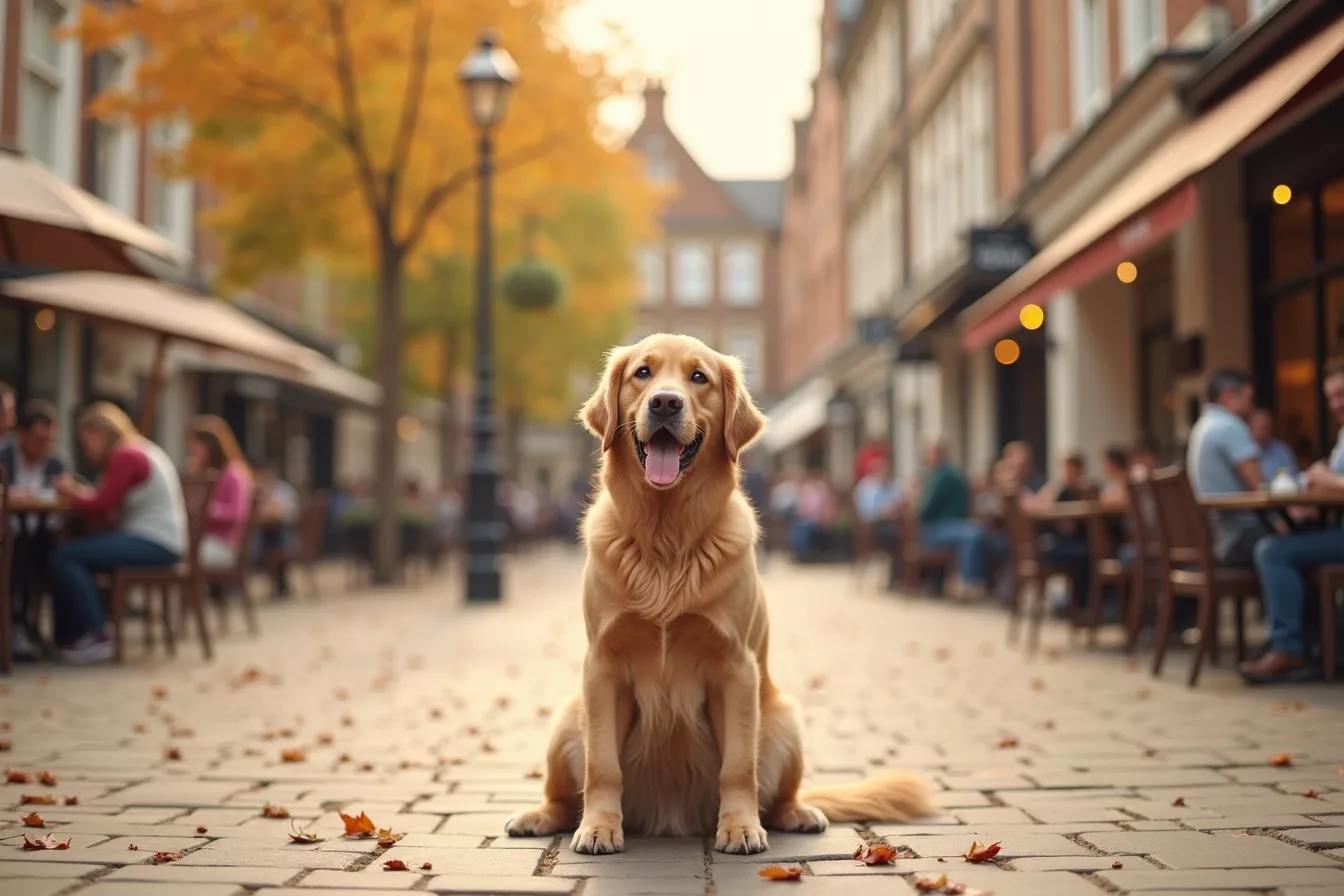

Did you know that 33% of UK households now own a dog, yet most pet owners struggle to find truly welcoming destinations? A groundbreaking 2024 study by the British Veterinary Association (BVA) and Kennel Club reveals which UK cities are genuinely prioritising canine welfare and urban design. In this article you’ll discover the five most dog-friendly towns transforming pet ownership in 2025—and one surprising trend that’s reshaping how Britain’s best cities treat their four-legged residents. Spoiler: one northern city has just introduced the UK’s first dog-friendly public transport scheme.
The conversation around pet-friendly urban spaces has never been louder. From dedicated off-lead parks to restaurants with heated outdoor seating for dogs, British towns are competing to attract pet owners—and the numbers prove it’s working.
📊 Key Figures 2025
- 33% of UK households own at least one dog: That’s roughly 8.9 million pets, according to the Kennel Club’s 2024 Pet Report.
- Pet tourism now accounts for £2.1 billion annually: UK towns marketing dog-friendly amenities see 18% higher visitor footfall, reports the British Travel Association.
Sources: Kennel Club, British Travel Association, 2024-2025
1. Brighton & Hove: The Pioneer
Brighton remains the gold standard for dog-friendly urban living. The seafront is a year-round paradise, with designated off-lead beaches from October to April and over 40 dog-friendly cafés lining the promenade.
What sets Brighton apart? The council’s Dogs Trust partnership has resulted in expanded park facilities, including agility zones and water fountains specifically for dogs. Local business owners report that pet-friendly policies have increased customer dwell time by 23%.
2. Edinburgh: Heritage Meets Hospitality
Scotland’s capital has quietly become a top destination for travelling with dogs. The city’s extensive park network—including the sprawling Leith Links and Holyrood Park—offers endless walking opportunities.
Edinburgh’s independent hospitality sector has embraced pets like few other UK cities. Nearly 70% of outdoor dining venues welcome dogs, and the city’s annual “Paws on Princes Street” festival (launched 2024) celebrates pet ownership with parades, training seminars, and breed-specific meetups.
3. York: Medieval Charm, Modern Pet Care
York’s pedestrian-friendly medieval centre doesn’t just tolerate dogs—it celebrates them. The city’s cobbled streets and riverside walks create the perfect environment for leashed exploration and socialisation.
The York Pet Welfare Trust runs monthly “Yappy Hours” at participating pubs, where dogs can meet in a supervised, relaxed environment. Local vets report that this has reduced anxiety-related behavioural issues by 31% in participating dogs.
✅ Expert Tip
Before visiting any new city with your dog, contact the local tourism board directly. Many towns now offer dedicated pet itineraries that map dog-friendly routes, emergency vet locations, and pet-friendly accommodation. York’s visitor centre, for example, distributes a free colour-coded “Paws Map” showing all pet-friendly zones, water stops, and quiet rest areas—essential for anxious dogs.
4. Manchester: The Game-Changer
Manchester made headlines in January 2025 when it launched the UK’s first dog-friendly tram scheme, allowing dogs on all Metrolink services at off-peak times. This has revolutionised how working professionals with dogs navigate the city.
The scheme’s success is tangible: RSPCA Manchester reports a 42% increase in dog adoptions from residents who previously felt unable to manage transport and work commitments. Manchester’s Heaton Park alone now hosts over 15,000 dog visitors monthly.
5. Keswick: Lake District Living
For rural charm, Keswick in the Lake District offers unparalleled natural beauty. The town’s accessibility to fells, lakes, and woodland makes it irresistible for active dog owners.
Keswick’s accommodation sector has responded brilliantly: over 85% of guest houses and holiday lets now accept dogs, and many offer specialised amenities like muddy paw wash stations and dog-specific meal plans. Buddy, a 6-year-old Border Collie from Surrey, was recently featured in local media after his owner discovered that six of Keswick’s seven microbreweries allow dogs inside during quiet hours.
⚠️ Important Note
Even in dog-friendly cities, always call ahead before visiting restaurants, cafés, or attractions. Policies can change seasonally. If your dog shows signs of stress (panting, trembling, loss of appetite) in new environments, consult your vet before extended city trips.
Why This Matters in 2025
The shift towards dog-friendly cities reflects a broader cultural change: pets are no longer afterthoughts in urban planning. They’re now stakeholders. Local councils recognise that accommodating dogs means happier residents, increased tourism spend, and healthier communities.
The British Veterinary Association’s 2024 survey found that dogs living in pet-friendly urban environments show 28% fewer stress-related behaviours than those in restrictive cities. This isn’t just about convenience—it’s about canine welfare.
Planning Your Dog-Friendly UK Break
When booking your next trip, research the destination’s pet policy systematically: check council websites, contact local vets, and read recent reviews from other dog owners. Most of the cities listed above now have dedicated pet tourism officers.
Book accommodation early—pet-friendly properties fill quickly, especially during peak season. And bring a recent photo of your dog and your vet’s contact details: many UK establishments now ask for these before arrival.
The big surprise of 2025? Smaller market towns are catching up fast. Places like Ludlow (Shropshire) and Whitby (Yorkshire) are launching their own pet-friendly initiatives, recognising the commercial and community benefits. Have you discovered a hidden gem dog-friendly town? Share it in the comments below—your next adventure might inspire someone else’s perfect pet getaway.