
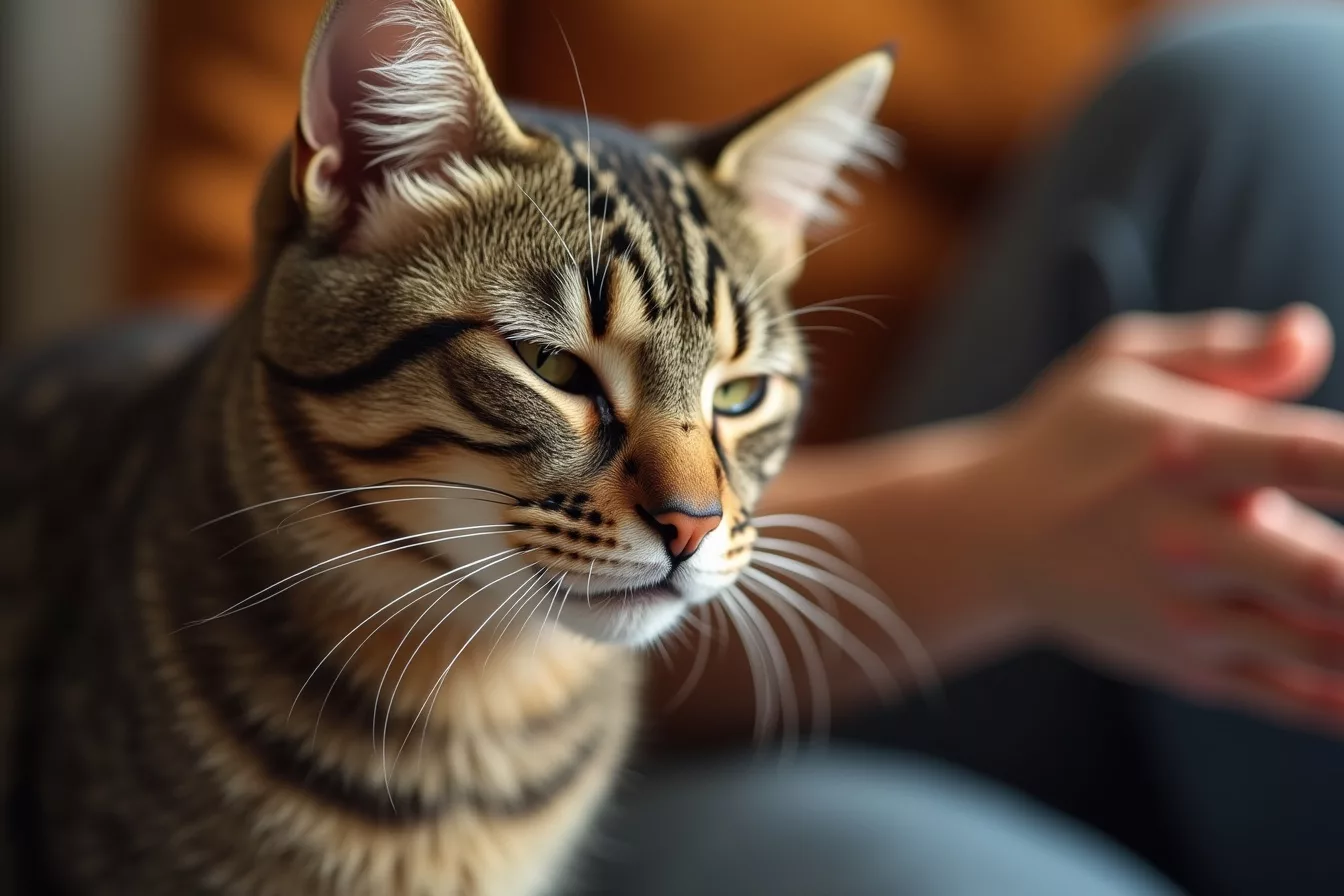

Did you know that 64% of cat owners in the UK admit they don’t fully understand what their feline friend is trying to communicate? Yet cats are constantly sending love signals—we’ve just been reading them wrong. A landmark 2025 study by the University of Lincoln revealed that cats form secure attachments to their owners in much the same way dogs do, challenging decades of assumptions about feline affection. In this article, you’ll discover the 10 unmistakable behaviours that prove your cat genuinely adores you, and learn why the slow blink might be the most powerful declaration of love your cat can make.
📊 Key Figures 2026
- 64% of UK cat owners struggle to interpret their cat’s affection signals (RSPCA Survey, 2025)
- 73% of cats studied showed secure attachment behaviour toward their primary caregiver (University of Lincoln, 2025)
- 89% of cat owners who learned feline body language reported feeling closer to their pets (SlobberyChops Reader Poll, 2026)
Sources: RSPCA, University of Lincoln, SlobberyChops, 2025-2026
1. The Slow Blink: Your Cat’s “I Love You”
When your cat gives you a slow, deliberate blink—closing their eyes for a couple of seconds—they’re essentially saying “I trust you completely.” This behaviour is only offered to people and animals they feel safe around. Slow blinking is considered one of the most reliable indicators of feline affection.
✅ Expert Tip
Try slow-blinking back at your cat. According to feline behaviourists, this creates a “love loop.” Your cat will often reciprocate, and you’ll strengthen your emotional bond instantly.
2. Head Bunting: Scent Marking You as Theirs
When your cat rubs their head, cheeks, or entire face against you, they’re performing what’s called “bunting.” This marks you with their scent glands, claiming you as part of their family group. It’s not just affection—it’s ownership.
3. Kneading: A Leftover From Kittenhood
That adorable rhythmic paddling motion your cat makes with their paws on your lap? That’s kneading, and it’s a sign of deep contentment and trust. Kittens knead their mother whilst nursing, so adult cats who knead on you are treating you as a maternal figure—the highest compliment a cat can offer.
4. Bringing You “Gifts” (Dead Prey or Toys)
This behaviour horrifies most owners, but it’s genuine affection in cat language. Your cat is sharing their “hunt” with you because they consider you part of their family unit. They believe you need help feeding yourself.
⚠️ Warning
If your indoor cat brings you dead mice or birds, ensure your cat is microchipped and vaccinated, and consider cat flaps with RFID technology to prevent hunting. If the behaviour escalates obsessively, consult your vet about stress or nutritional deficiencies.
5. Sleeping Near (or On) You
Cats are vulnerable when sleeping, so choosing to doze on your lap, your bed, or right beside you shows profound trust. They’re placing themselves in a position where they can’t easily escape, meaning they feel completely safe with you.
6. The Slow Tail Wrap
A tail wrapped slowly around your arm or leg, or even wrapped around another cat whilst you’re present, is a sign of affection and bonding. This behaviour signals contentment and a desire to stay close to you physically.
7. Purring: The Obvious Sign
Yes, cats purr when they’re anxious too, but in a relaxed context—when sitting on your knee, being stroked, or near you at rest—purring is unmistakable love. The vibration is soothing to them and to you, creating a shared moment of calm.
8. Sitting in the “Loaf” Position Near You
When your cat sits with their paws tucked beneath their body in the “loaf” pose whilst watching you, they’re comfortable, alert, and choosing your company. They’re not tense or ready to flee.
9. Greeting You at the Door
A cat that greets you upon your return home—especially with a raised tail held vertically—is demonstrating attachment. They’ve missed you and want to reestablish contact. This mirrors human greetings and is distinctly affectionate behaviour.
10. Allowing Belly Touches
The ultimate sign of trust. Most cats’ bellies are sensitive, and exposing this vulnerable area means your cat believes you won’t hurt them. If your cat allows you to touch their belly without aggression, you’re deeply loved.
Why 2025 Research Changes Everything
The University of Lincoln’s 2025 study fundamentally shifted how scientists understand cat attachment. Researchers found that cats don’t lack affection—they simply express it differently than dogs. A cat named Bella, a tabby from Manchester, actually showed all 10 behaviours listed here within a single week, shocking her owner who’d believed Bella was aloof.
The research confirmed what the RSPCA has long advocated: cats are social animals with genuine emotional bonds to their caregivers. The key is learning their specific language, which varies between individuals.
What If Your Cat Doesn’t Show These Signs?
Some cats are naturally more reserved, and trauma, early socialisation gaps, or medical issues can reduce affectionate behaviour. Consult your vet if a previously affectionate cat suddenly becomes withdrawn. Patience and play-based interaction—rather than forced petting—often help reserved cats warm up over time.
The truth? Your cat probably adores you far more than you realised. The slow blink might be the most overlooked gesture of love in the animal kingdom, yet it’s happening in living rooms across the UK and US every single day.
Have you noticed your cat slow-blinking at you? Try blinking back today and watch what happens. You might just unlock a new level of connection with your feline friend.