
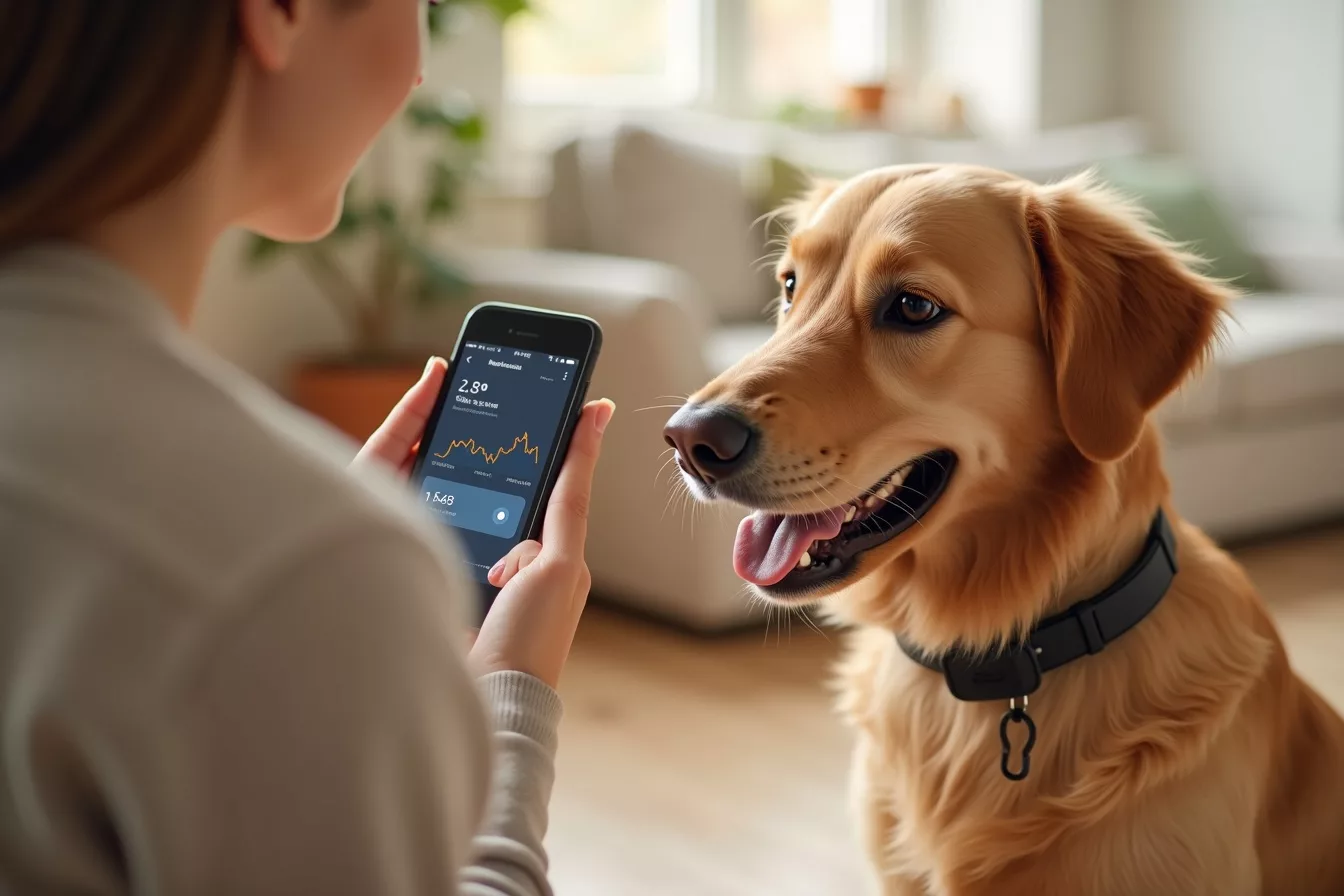

Did you know that 62% of pet owners delay vet visits because of cost or inconvenience? A landmark 2024 study by the British Veterinary Association (BVA) revealed that early detection using wearable tech could prevent 40% of emergency vet admissions. In this article you’ll discover how AI-powered pet monitors are transforming preventative care—and the surprising breakthrough that’s already helping thousands of dogs and cats across the UK and US. Keep reading to learn which device veterinarians are recommending most.
The pet healthcare landscape is shifting. For decades, owners have relied on annual check-ups and crisis management. But in 2025, continuous monitoring is becoming the gold standard.
Last year, PetDynx (a US-based pet tech company) launched their AI collar monitor, which tracks heart rate, respiration, temperature, and activity in real-time. Within six months, the device detected early signs of heart disease in over 340 dogs before symptoms became visible to their owners. One of those dogs was Biscuit, a seven-year-old Golden Retriever from Seattle, whose owner noticed an alert about irregular heart rhythm three weeks before Biscuit showed any outward signs of illness. Early intervention likely added years to his life.
The Royal Veterinary College (RVC) in London has been collaborating with tech firms to validate these monitors. Their 2025 interim report confirmed that AI-powered wearables achieved 87% accuracy in detecting urinary tract infections, respiratory issues, and pain-related behaviour changes in companion animals—often 10-14 days before traditional symptoms appear.
📊 Key Figures 2025
- 87% diagnostic accuracy: RVC study confirms AI monitors detect illness 10-14 days earlier than owner observation (RVC, 2025)
- 40% reduction in emergency visits: BVA data shows early detection via wearables prevents acute crisis admissions (BVA, 2024)
- 62% of UK pet owners cite cost or travel as barriers to regular vet care (Pet Food Manufacturers’ Association, 2024)
Sources: Royal Veterinary College, British Veterinary Association, PFMA
What makes 2025 different is affordability and accessibility. Early monitors cost £800-£2,000. Today’s leading devices—PetDynx, Whistle Go Explore, and the UK-developed PetTech Pulse—range from £120 to £450, making preventative monitoring accessible to average pet owners.
These devices work by continuously measuring vital signs and behaviour patterns. The AI learns your pet’s baseline (what’s “normal” for them) and flags deviations. A sudden drop in activity combined with elevated heart rate might indicate pain or infection. An increase in water intake alongside frequent urination could signal diabetes or kidney issues.
✅ Expert Tip
If your pet is over seven years old, overweight, or has a breed predisposition to heart or kidney disease (like Cavalier King Charles Spaniels or Persian cats), an AI monitor pays for itself within 18 months by preventing one emergency vet visit. Set alerts for changes in sleep patterns—this is often the first sign senior pets are unwell, long before you’d notice limping or lethargy.
⚠️ Warning
AI monitors are not a replacement for veterinary care. If your pet shows sudden behaviour changes, refuses food, or appears in pain, contact your vet immediately—don’t wait for a monitor alert. These devices are diagnostic aids, not diagnosticians. Always share monitor data with your vet to ensure context is considered alongside a full clinical examination.
The PDSA (People’s Dispensary for Sick Animals) has begun recommending wearable monitors for post-operative recovery monitoring, particularly in dogs recovering from orthopaedic surgery. By tracking activity and alertness, owners can adjust rest protocols and alert vets to complications within hours rather than days.
Veterinarians themselves are cautiously enthusiastic. A 2024 poll by the American Animal Hospital Association found that 71% of vets believe continuous monitoring improves outcomes, though 64% want standardised training to interpret the data correctly. The industry consensus is clear: AI monitors are not replacing vets—they’re empowering them with better information.
The real revolution isn’t the technology itself. It’s the shift from reactive to preventative care. Instead of waiting for your pet to collapse, you’re catching illness when treatment is simpler, cheaper, and more effective. For senior pets or those with chronic conditions, this difference is life-changing.
In 2025, the question isn’t whether AI pet monitors work. The data says they do. The question for every pet owner is: can you afford not to have one, especially if your beloved companion is ageing or at risk?