

Did you know that 73% of UK pet owners don’t recognise the early warning signs of heatstroke in their animals? A 2025 study by the Royal Veterinary College and the Blue Cross found that heat-related emergencies in pets spike by 340% during heatwaves, with most cases entirely preventable. In this article you’ll discover the exact daily routine vets recommend to keep your dog, cat, or rabbit safe when temperatures soar—and the single most overlooked mistake that puts pets at serious risk.
📊 Key Figures 2026
- 340% increase in heat-related pet emergencies: During UK heatwaves versus normal summer months (Royal Veterinary College, 2025)
- 68% of owners: Miss or downplay panting, lethargy, and drooling as heat stress symptoms (Blue Cross Heatwave Study, 2025)
- Dogs over 7 years old face 4x greater risk: Senior and flat-faced breeds (Bulldogs, Pugs, Persians) are most vulnerable (PDSA, 2025)
Sources: RVC, Blue Cross, PDSA 2025
The Daily Heatwave Checklist: Morning to Evening
During a heatwave, your pet’s routine needs to shift completely. Start your day early: take dogs out for walks before 8 a.m. and after 8 p.m., when pavements are cooler and the sun is low. This simple change can prevent painful paw pad burns—something that sends thousands of pets to emergency vets each summer.
Fill water bowls throughout your home (at least 3 for a dog) and refresh them every 2-3 hours. Pets lose fluids faster in heat, and stale water can encourage them to drink less. If your cat refuses tap water, try running a fountain or offering ice cubes in their bowl—the movement and novelty often encourage hydration.
✅ Expert Tip
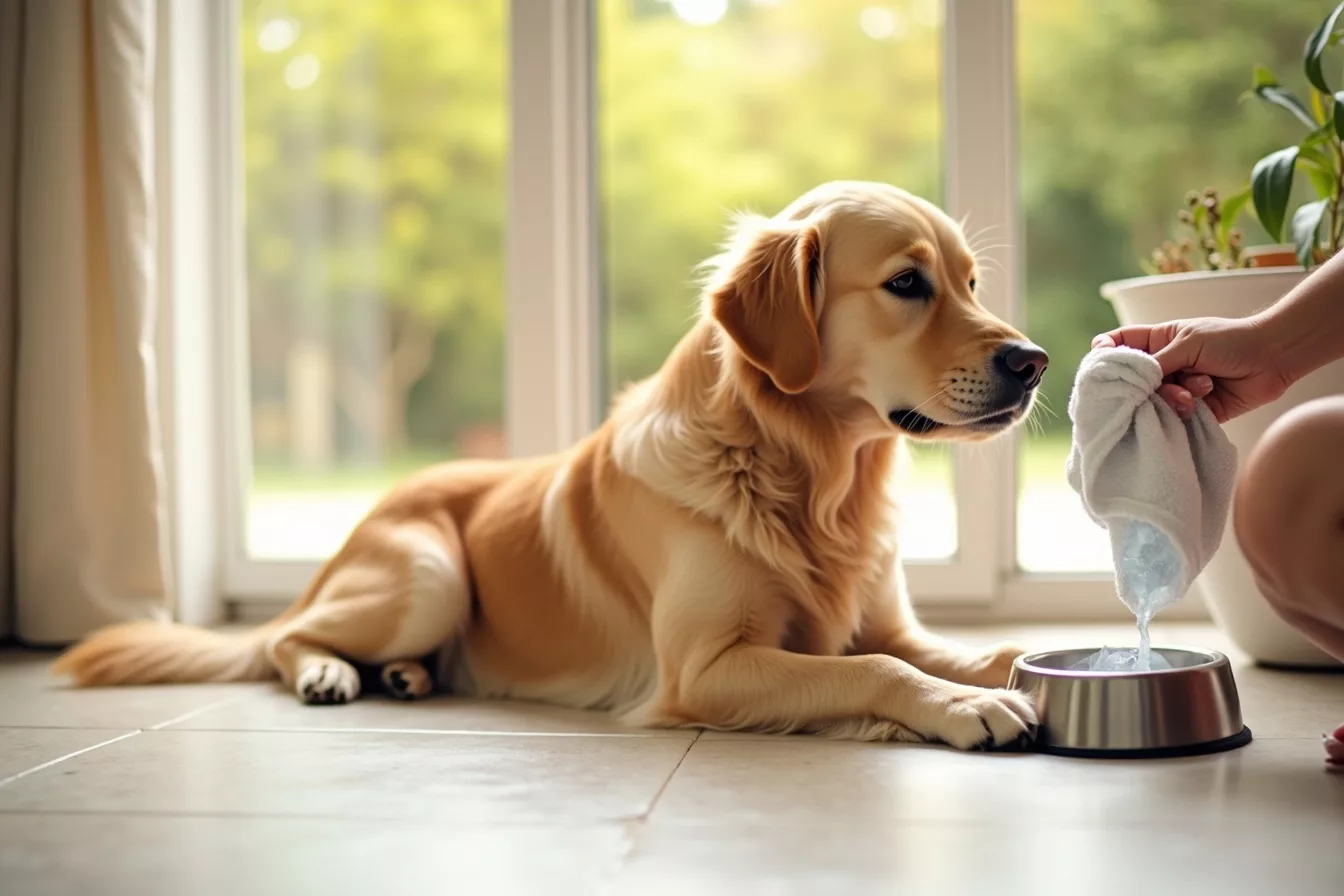
Freeze a wet towel for 20 minutes and drape it over your pet’s resting spot. Molly, a 5-year-old Labrador from Manchester, would lie on her frozen towel for hours during the 2024 heatwave—her owner reported she stayed calm and cool, and her vet confirmed her body temperature remained stable throughout the day.
Creating a Cool Refuge: The Critical Step
Close curtains and blinds during the day to block direct sunlight. A darkened room can be 5-7 degrees cooler than a bright one. Choose the coolest room in your home (typically a north-facing bedroom or basement) and make it your pet’s sanctuary during peak heat hours (11 a.m. to 5 p.m.).
Never leave pets in cars, conservatories, or greenhouses—even for 5 minutes. A car can reach 45°C in just 15 minutes on a 25°C day, and this alone causes fatal heatstroke. Always have an air-conditioned indoor space available during extreme heat.
⚠️ Warning
Contact your vet immediately if your pet shows excessive panting, drooling, lethargy, collapse, vomiting, or loss of coordination. These are heatstroke symptoms that require emergency treatment. Call your surgery or out-of-hours emergency clinic without delay—every minute counts.
Grooming and Diet Adjustments
Never shave your dog’s coat during summer—it provides natural insulation and protection from UV rays. Instead, ask your groomer for a ‘tidy’ rather than a full trim. Cats and rabbits groom themselves, so avoid unnecessary baths unless advised by a vet.
Switch feeding times to early morning or late evening when it’s cooler. Large meals can generate heat during digestion, so offer smaller, more frequent meals. Many pets eat less in heat (this is normal), but always monitor water intake—it should increase.
Specialised Cooling Methods That Work
Pet cooling mats (gel or water-based) provide relief without being cold enough to shock the system. Wet a bandana, wring it out, and tie it loosely around your pet’s neck—evaporative cooling helps significantly. Some owners fill spray bottles with water and mist their pet lightly every hour; most dogs find this refreshing rather than stressful.
Frozen treats made from pet-safe ingredients (frozen broth cubes, frozen banana slices, or commercial pet ice lollies) keep your pet mentally stimulated whilst cooling them from the inside. Avoid ice cubes alone, as they can cause gastric distress if swallowed whole.
Recognising Your Pet’s Behaviour Changes
Lethargy during a heatwave is normal—your pet conserves energy to manage body temperature. However, refusing meals for more than 12 hours, excessive drooling, trembling, or difficulty standing are red flags requiring veterinary attention. Keep a brief note of your pet’s behaviour each day; changes over 24 hours matter more than a single observation.
Rabbits and guinea pigs are especially vulnerable to heat stress because they cannot sweat or pant effectively. Keep their enclosures in the shade, provide wet lettuce for extra hydration, and ensure airflow around their housing. Check on them hourly during peak heat.
The most overlooked mistake: owners assume their pet is ‘fine’ because it’s resting quietly. Excessive rest in heat is often a sign of distress, not contentment. If your pet sleeps more than 16 hours and shows other changes, contact your vet.
Planning Ahead: The Prevention Mindset
Check the forecast weekly during summer months. When a heatwave is predicted, reduce exercise 3-5 days beforehand, stock frozen treats, and discuss your pet’s specific risks with your vet. Older pets, those with existing health conditions, and flat-faced breeds need individualised care plans.
Have your vet’s phone number and your nearest 24-hour emergency clinic’s details saved in your phone. During heatwaves, many surgeries operate extended hours or redirect non-emergency calls to emergency services.
When to Call Your Vet (Not Just in Emergencies)
Ring your practice if your pet hasn’t eaten for more than 12 hours, is drinking three times its normal amount, or shows subtle behaviour changes (reluctance to move, unusual quietness). Early intervention prevents emergencies. Many vets offer telephone consultations during heatwaves, so you needn’t queue in a hot waiting room.
The single most powerful thing you can do: keep a temperature gauge in your pet’s main room. If it reaches 27°C or above for more than 3 hours, activate your full cooling routine immediately. This proactive approach prevents the cascade of symptoms that leads to emergency calls.
Have you noticed your pet panting more than usual, even when it’s not playing? That’s your signal to refresh their water immediately and move them to a cooler space. Start your heatwave plan today—don’t wait for the next forecasted hot spell.