
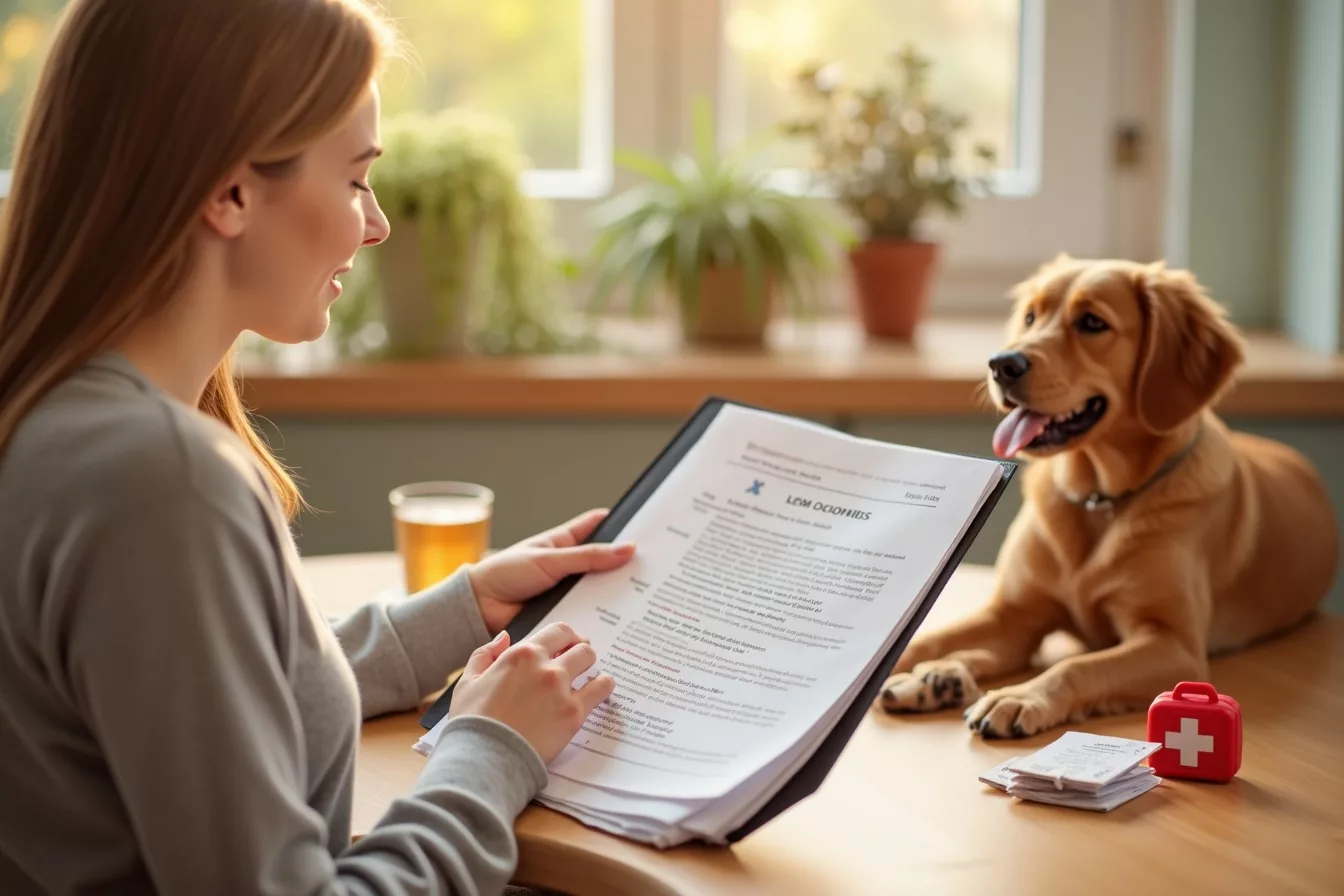

A pet emergency on a bank holiday weekend is every owner’s nightmare. Yet 62% of UK pet owners admit they’ve never checked if their vet is open on bank holidays, according to a 2025 survey by the British Veterinary Association. A recent study from the Royal Veterinary College reveals that emergency callouts spike by 41% during UK bank holidays, leaving many pets without timely care. In this article you’ll discover a foolproof checklist to plan ahead, plus the single most important step vets wish every owner would take before Easter, May Day, or the August bank holiday.
Why Bank Holidays Catch Pet Owners Off Guard
Bank holidays feel like a time to relax, but they’re when your usual vet surgery shuts its doors. Many owners don’t realise their regular practice may not cover emergencies on these dates, leaving them scrambling for an out-of-hours clinic that might be 30 miles away.
The stress doesn’t just affect you—your pet picks up on the panic. A stressed owner means a stressed pet, which can worsen symptoms like vomiting, limping, or breathing difficulties.
📊 Key Figures 2026
- 62% of UK pet owners haven’t checked bank holiday vet availability (BVA, 2025)
- 41% spike in emergency callouts during bank holidays compared to regular weekends (Royal Veterinary College, 2025)
- 73% of US pet owners lack an emergency vet plan for holiday weekends (American Animal Hospital Association, 2025)
Sources: British Veterinary Association, Royal Veterinary College, AAHA
Step 1: Map Your Vet Coverage Now
Ring your regular surgery this week and ask directly: “Which dates are you closed for bank holidays in 2025?” Write the answer down—don’t rely on memory.
Then ask for their emergency contact number and the name of the out-of-hours provider they recommend. This takes five minutes and eliminates panic on the day.
✅ Expert Tip
Save the out-of-hours number into your phone right now with a label like “Emergency Vet – Bank Holiday.” Don’t wait. Luna, a Cocker Spaniel from Bristol, got a swollen paw on Easter Monday; her owner had the emergency number saved and received treatment within 45 minutes instead of the typical 2-hour delay.
Step 2: Know the Early Warning Signs
Bank holidays often fall when you’re away from home or in a relaxed headspace. That’s when you might miss subtle signs that your pet needs help. Lethargy, loss of appetite, vomiting, or unusual behaviour warrant a call to your vet—even on a holiday.
Trust your instinct. You know your pet better than anyone. If something feels wrong, it probably is.
Step 3: Stock a Pet First-Aid Kit
Keep a dedicated box with sterile gauze, pet-safe antiseptic, tweezers, a thermometer, and any prescribed medications your pet takes. Include a copy of your pet’s medical history and insurance details.
Store it somewhere accessible and tell a family member where it is. In an emergency, seconds matter.
⚠️ Warning
Never give human painkillers (paracetamol, ibuprofen) to your pet, even on a bank holiday. If your pet is limping or in obvious pain, ring your out-of-hours vet immediately. Delayed pain management can worsen injury. Call your vet if your pet refuses food for more than 12 hours, has difficulty breathing, or shows signs of seizure.
Step 4: Arrange Pet Sitter Backup
If you’re travelling over a bank holiday, arrange for a trusted friend, family member, or professional pet sitter to check on your pet daily. Leave detailed care instructions, your vet’s number, and emergency contact details.
This simple step prevents neglected water bowls, missed medication doses, and escalating health problems while you’re away.
Step 5: Check Your Pet Insurance
Review your policy to confirm it covers emergency out-of-hours treatment and what excess you’ll pay. Some policies require you to use specific emergency providers.
Knowing the financial side in advance prevents difficult decisions when your pet is unwell. Unexpected vet bills can exceed £500 for emergency callouts.
The One Thing Vets Wish You’d Do
Create a simple document with: your pet’s name, microchip number, breed, date of birth, current medications, known allergies, and your regular vet’s number. Keep a photo of your pet on your phone too.
In a crisis, this single document saves time and ensures emergency vets have the right information instantly. Max, a Golden Retriever from Leeds, had a diabetic emergency during the August bank holiday; because his owner had documented his insulin dose and previous episodes, the emergency vet treated him correctly within minutes.
Bank holidays don’t have to be a source of anxiety. With these five practical steps, you’re no longer at the mercy of circumstance—you’re prepared, calm, and ready to act if your pet needs help. Your future self will thank you for investing 30 minutes now.
Have you ever had a pet health scare during a bank holiday? Share your story in the comments below—your experience might help another owner avoid the same panic.