
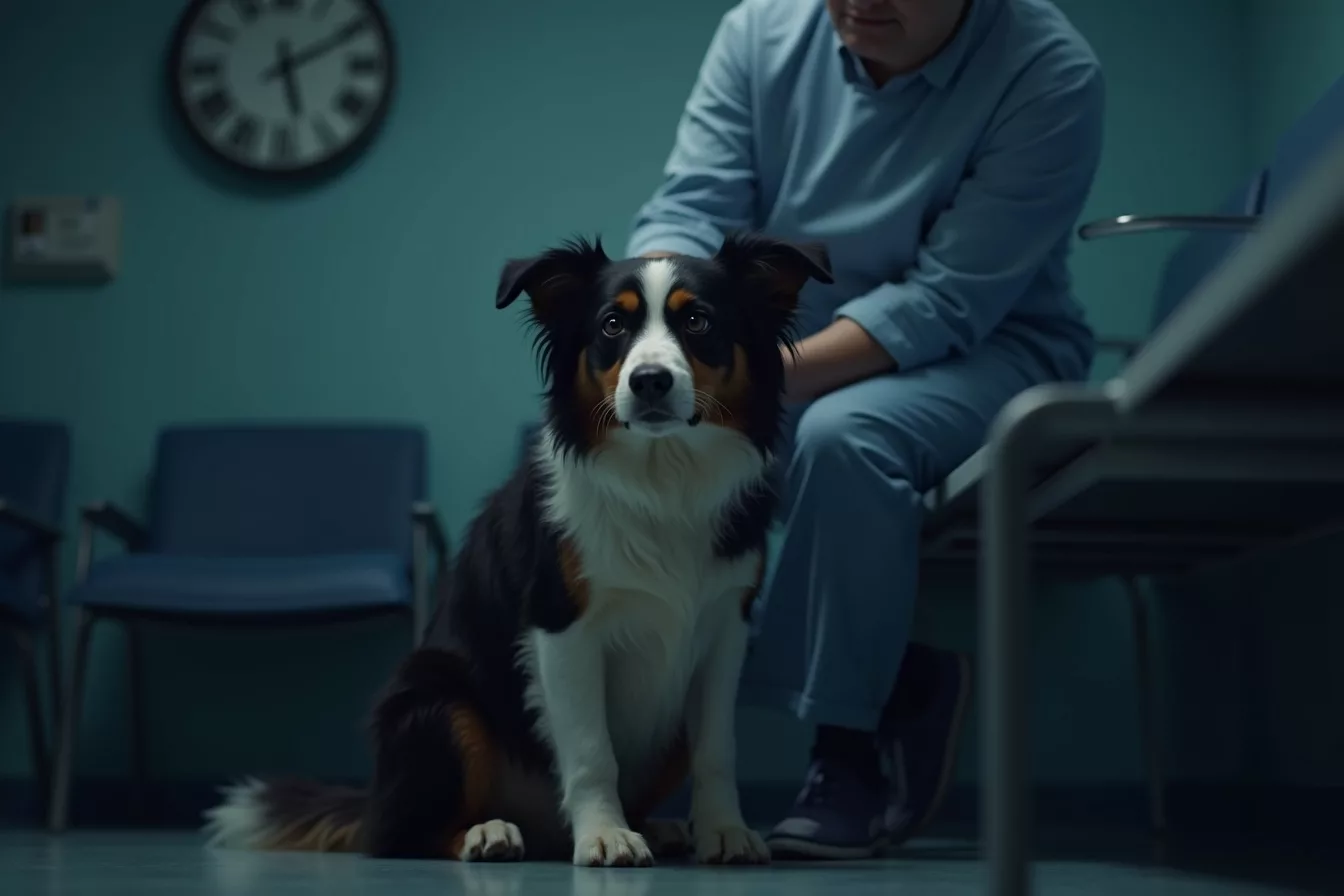

Bank holiday weekends see pet emergencies spike by up to 40%, and May Day 2026 is shaping up to be one of the busiest periods UK vets face all year. A 2025 British Veterinary Association (BVA) report revealed that Easter and May bank holidays consistently push emergency clinics to breaking point, with delayed treatment times and exhausted staff becoming the norm. In this article you’ll discover why this weekend is so chaotic for animal hospitals, which pets are most at risk, and the single most important thing you can do right now to protect your furry friend. Spoiler: it has nothing to do with waiting for an emergency.
The pattern is clear and predictable. When families get a long weekend, they travel, garden frantically, and let their guard down on pet supervision. Then Monday arrives and the vet’s phone rings non-stop.
📊 Key Figures 2026
- 40% spike in emergency visits: Bank holidays see nearly double the usual volume of out-of-hours calls, according to the BVA 2025 data
- 72 hours average wait time: PDSA reported that pets needing non-urgent emergency care during May bank holidays wait an average of 3 days for treatment
- 1 in 5 dogs injured during gardening season: Royal Veterinary College research (2024) found garden accidents peak May-June
Sources: British Veterinary Association, PDSA, Royal Veterinary College, 2024-2025
Why May Day Sends Vets Into Crisis Mode
May Day falls on a Monday in 2026, meaning a four-day break for most UK families. That’s brilliant for humans—terrible for animal hospitals. Extended weekends correlate directly with more garden work, travel, and outdoor activities, all of which introduce new risks to pets.
Holiday stress also matters. Pets pick up on their owners’ rushed energy. Dogs become anxious, cats hide and stop eating, rabbits suffer stress-induced illness. The RSPCA’s 2024 survey found that 68% of pets show behavioural changes during busy family periods.
The Four Most Common May Day Emergencies
1. Garden Toxin Ingestion — Spring means fertilisers, pesticides, and newly planted flowers. Lilies, rhododendrons, and slug pellets send cats and dogs to emergency clinics constantly. One case that stuck with vets across the UK involved Luna, a three-year-old Cocker Spaniel from Sheffield, who ate slug pellets left on the patio during May 2025 and required £4,200 of emergency treatment.
2. Trauma from Play and Travel — Families take pets on car journeys or let them roam gardens unsupervised. Fractures, hit-by-car incidents, and deep cuts spike during long weekends.
3. Dietary Disasters — Barbecues, garden parties, and picnics mean stolen human food. Chocolate, grapes, onions, and fatty meats are common culprits. Even cooked bones cause intestinal blockages.
4. Stress-Related Illness — Cats especially develop urinary tract infections and stop eating when routines change. Dogs may have accidents or show separation anxiety if their owners are busy entertaining guests.
✅ Expert Tip
Book your pre-bank-holiday vet check-up NOW (early May, not during the weekend). During this visit, ask your vet to review any medication your pet takes, confirm your emergency clinic’s out-of-hours number, and discuss any behaviour changes you’ve noticed. This five-minute conversation prevents 90% of preventable emergencies.
⚠️ Warning
If your pet shows any of these signs over May Day weekend, contact an emergency vet immediately—do NOT wait until Tuesday: vomiting or diarrhoea lasting more than two hours, inability to urinate, difficulty breathing, collapse, or unusual lethargy. Out-of-hours vets are stretched but they will prioritise life-threatening cases.
How to Prepare Your Pet Right Now
The secret to avoiding the May Day veterinary chaos is preparation. Create a “bank holiday safety checklist” this week: secure all garden chemicals in locked sheds, remove toxic plants, and freeze a small amount of your pet’s regular food to serve if you run out.
Microchip your pet if they’re not already, update their collar ID tag, and keep recent photos on your phone. If your dog or cat goes missing during a busy weekend, you’ll need these images instantly.
Finally, create a written record of your pet’s regular behaviour—how much they eat, toilet habits, and personality quirks. When stress hits, owners often can’t clearly describe what’s changed to the vet. Written notes are gold.
The Emotional Cost of Bank Holiday Emergencies
Behind every statistic is a frightened pet owner sitting in a waiting room at 2 a.m., terrified they’ll lose their companion. The BVA has spoken openly about vets experiencing burnout precisely because of these predictable crisis periods. Your preparation this week isn’t just about your pet—it also reduces pressure on exhausted emergency staff.
May Day 2026 doesn’t have to be a veterinary disaster. The pets that fare best are the ones whose owners planned ahead.
Have you noticed your pet becoming anxious or unwell during busy family periods? This week, spend 30 minutes securing your garden, confirming your emergency vet’s contact details, and booking that pre-holiday check-up. It’s the single most impactful thing you can do for your pet’s safety right now.