
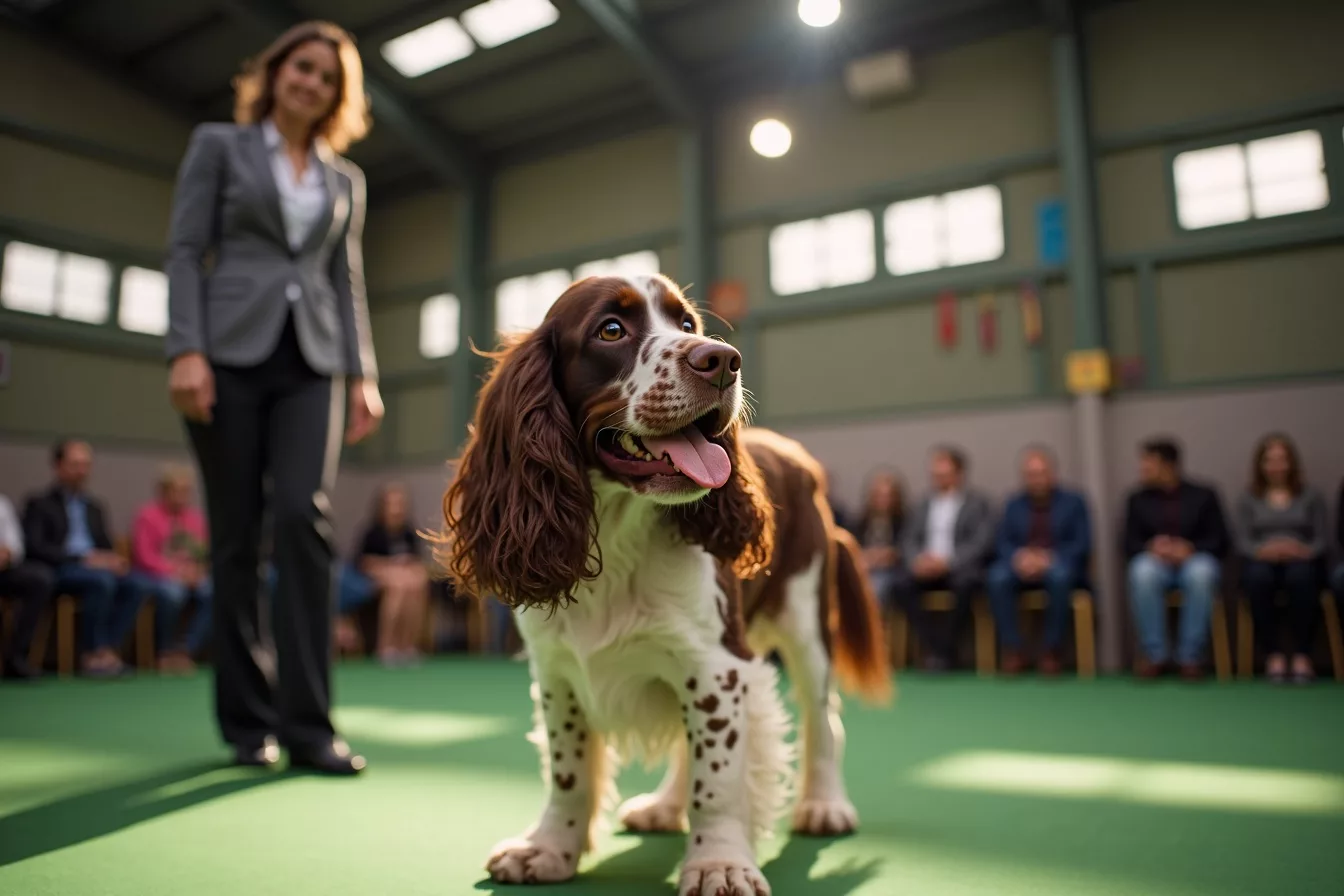

Did you know that over 22,000 dogs compete annually at UK dog shows, with spring season attracting record entries? A 2024 Kennel Club study revealed that post-pandemic dog ownership in the UK surged to 12.2 million pets, driving unprecedented interest in breed standards and showing. In this article you’ll discover everything about Crufts 2026 legacy events, why vets are concerned about show-season stress, and the little-known rules that could help your dog shine. The most surprising insight? Spring shows aren’t just about winning ribbons anymore.
Crufts 2025 wrapped up in March with record-breaking attendance, and the ripple effect has transformed the entire UK spring showing calendar. What started as a single prestigious event has evolved into a nationwide phenomenon, with regional heats, satellite events, and legacy shows popping up across England, Scotland, Wales, and Northern Ireland. Dog lovers aren’t just attending—they’re entering their pets into competitions at unprecedented rates.
📊 Key Figures 2026
- 22,000+ dogs: Compete annually across UK Kennel Club-affiliated shows (Kennel Club, 2025)
- 12.2 million UK dog owners: Post-pandemic ownership peak now driving spring show entries up 34% year-on-year (PDSA Pet Report, 2024)
- 89% of show entrants: Cite Crufts legacy events as inspiration for entering regional competitions (Kennel Club survey, 2025)
Sources: The Kennel Club, PDSA, 2024-2025
The Kennel Club has officially announced that 2026 will see expanded spring calendars, particularly between February and May. This is the golden window when breed-specific shows cluster together, allowing handlers to progress their dogs from local qualifying rounds to prestigious championship events. April alone will host over 40 major shows across the UK.
What’s driving this boom? Partly nostalgia post-Crufts, partly the influencer effect. Dog show content has exploded on TikTok and Instagram, with handlers sharing grooming routines, training tips, and emotional win moments. The British Veterinary Association (BVA) notes that whilst enthusiasm is brilliant, they’re seeing a concerning spike in stress-related conditions among show dogs.
✅ Expert Tip
If you’re considering entering your dog into spring shows for the first time, start with smaller regional qualifying shows rather than jumping straight to championship level. This reduces anxiety, builds confidence, and gives your dog experience with the ring environment. Lucy Hartwell, a Border Collie handler from Manchester, entered her dog Biscuit into three small qualifying shows before Crufts satellite events—and Biscuit placed in the top 10 within two months. The progressive approach works.
The 2026 spring calendar includes several Crufts Legacy Events, which are satellite shows run in partnership with regional clubs. These events follow Crufts rules and judging standards, meaning your dog gets the exact same experience as the main event, minus the overwhelming crowds and two-day marathon. Legacy events are held in Edinburgh, Belfast, Cardiff, and multiple English regions.
Here’s what surprised many handlers in 2025: breed-specific requirements have tightened post-Crufts. The Kennel Club introduced new health screening criteria for certain breeds, particularly flat-faced dogs (Bulldogs, Pugs, French Bulldogs), following welfare concerns raised by animal rights organisations. This is brilliant news for dog health but means more owners need to plan health tests months in advance.
⚠️ Warning
Show season stress can trigger anxiety and digestive issues in dogs. If your pet shows signs of refusing food, excessive panting, or fearfulness near show venues, consult your vet immediately. The Royal Veterinary College (RVC) recommends introducing anxious dogs to show environments gradually and avoiding back-to-back events within two weeks. Never push a stressed dog into the ring.
Entry fees for spring shows typically range from £8 to £25 per dog per class, depending on the event’s prestige. Most require pre-entry via the Kennel Club website, and closing dates are usually 10 days before the event. Handlers must be prepared with specific grooming standards—breed clubs publish detailed guidelines that can take weeks to master.
The social aspect of spring shows has become equally important to competition. Handler communities have organised mentorship schemes, breed-specific training days, and even online forums dedicated to grooming tips and breed standards. This supportive culture is what’s genuinely transformed UK dog showing from an exclusive hobby into an inclusive community.
One real success story: Max, a Springer Spaniel from Bristol, entered his first spring qualifying show in February 2025 with zero prior experience. His owner, Jennifer Wells, attended a Kennel Club workshop and joined a breed club. By May, Max had qualified for the Crufts 2026 Legacy Event. That’s the power of the spring season momentum—it democratises access to top-level showing.
If you’re planning to enter a spring show, register with your local breed club first. They’ll guide you through paperwork, connect you with experienced handlers, and help you understand what judges are looking for. Most clubs charge nominal membership fees (£15–40 annually) and offer incredible value through training and community support.
The final piece of the puzzle: travel logistics. Spring shows are spread nationwide, so many handlers plan itineraries visiting 3-4 events across a season. This requires careful organisation—booking accommodation, arranging transport crates, packing grooming kits—but the experience is exhilarating for both dog and owner.
Spring 2026 promises to be the biggest season yet. The Kennel Club is expecting 25,000+ entries across spring legacy events alone. Dog shows aren’t just about ribbons anymore—they’re about community, breed preservation, and celebrating what makes our dogs extraordinary. Have you noticed the dog-showing enthusiasm in your neighbourhood, and are you tempted to give it a go? If so, start your research with the Kennel Club website and your local breed club—they’re your first step to spring show success.