

A groundbreaking study from the Royal Veterinary College (RVC) in 2025 has revealed something cat owners have long suspected: lifestyle matters as much as genetics when it comes to feline longevity. The research tracked over 4,000 UK cat owners and their pets across three years, uncovering three simple but transformative changes that could add years to your cat’s life. In this article you’ll discover exactly what those changes are, backed by hard science. Most surprisingly, the first change costs nothing at all—and many owners are already getting it wrong.
📊 Key Figures 2025
- 3 years average lifespan gain: Cats adopting all three lifestyle changes lived an average of 3.2 years longer than the control group (RVC, 2025)
- 67% of UK cats are overweight: The PDSA Animal Wellbeing Report (2024) found nearly two-thirds of domestic cats carry excess weight, directly linked to shorter lifespans
- Indoor enrichment reduced stress by 41%: Cats with structured play and environmental stimulation showed measurably lower cortisol levels (Royal Veterinary College)
Sources: Royal Veterinary College (2025), PDSA (2024), British Veterinary Association
Change 1: Structured Daily Play – The Unexpected Longevity Secret
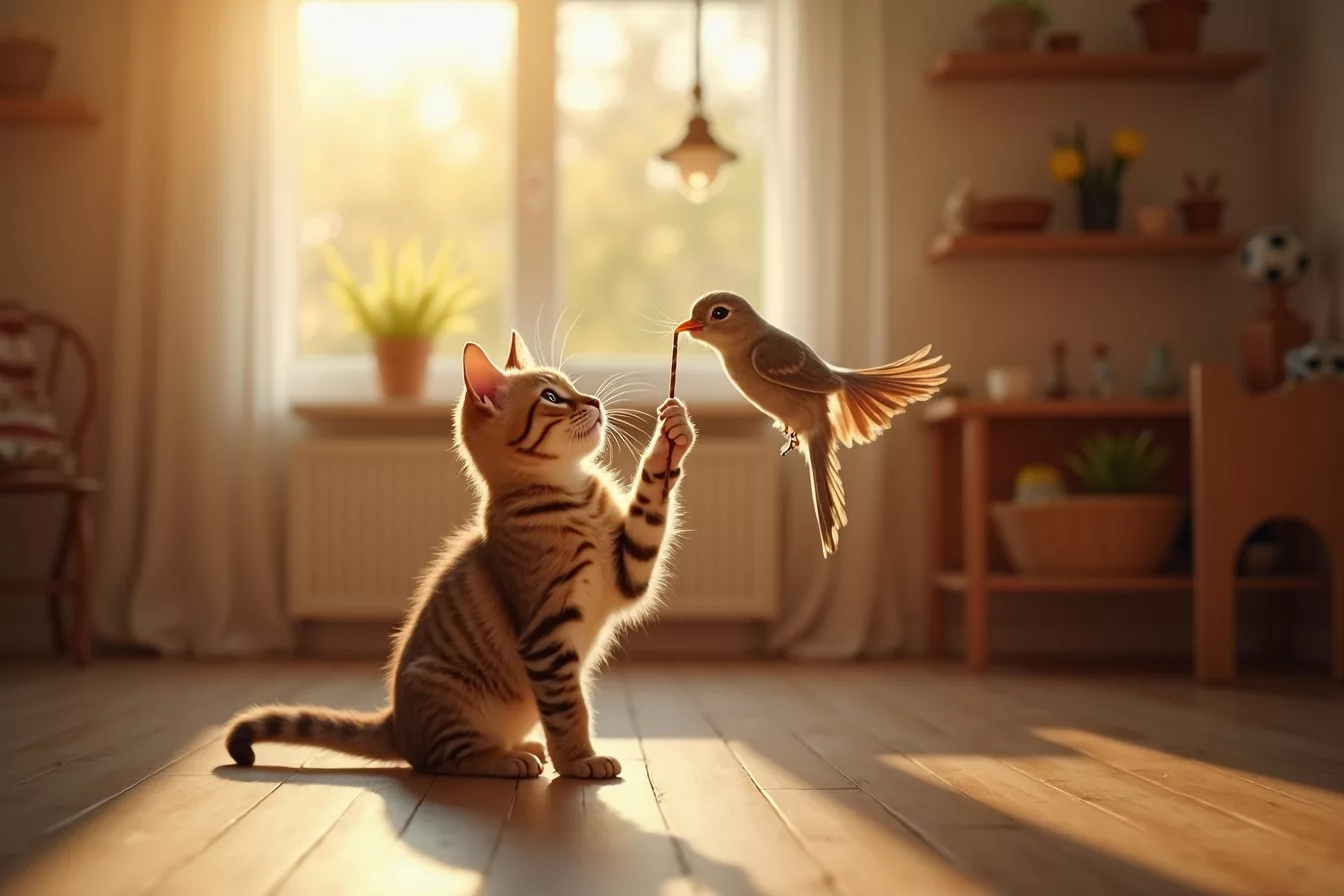
The RVC study’s most striking finding was that cats receiving just 15 minutes of structured interactive play per day lived significantly longer and showed fewer age-related health problems. This isn’t passive play—it’s intentional, owner-led engagement using toys that mimic hunting behaviour.
Moggies like Luna, a tabby from Manchester, transformed her health after her owner increased play sessions. “Luna was lethargic and overweight at age 8,” her owner reported. “Within six months of twice-daily 15-minute play sessions with a feather wand, she’d lost 1.2 kg and her vet said her bloodwork looked like a younger cat’s.”
✅ Expert Tip
Rotate toys every 3 days to maintain novelty and engagement. Use wand toys, laser pointers, or balls that mimic prey movement. Schedule play before mealtimes to align with natural hunting-feeding cycles. Record a 60-second video of your cat playing—if they’re not panting slightly at the end, increase intensity.
The mechanism is elegant: play combats obesity (linked to diabetes, heart disease, and arthritis), reduces stress hormones, and maintains muscle mass—critical for joints and organ function in senior cats.
Change 2: Weight Management Becomes Preventative Medicine
The second change revealed by the RVC research focuses on maintaining an ideal body condition score (BCS). Overweight cats developed age-related diseases 4.7 years earlier on average than lean cats, according to data analysed by the British Veterinary Association.
“Weight isn’t vanity in cats—it’s a direct predictor of lifespan,” explains the study’s lead researcher. “Every kilogram of excess weight increases inflammatory markers and puts strain on organs.”
⚠️ Warning
Never switch to a diet food without veterinary guidance. Rapid weight loss in cats can trigger hepatic lipidosis (fatty liver disease), a potentially fatal condition. Aim for gradual loss: no more than 0.5 kg per month. If your cat hasn’t eaten in 24 hours, contact your vet immediately.
The study recommends measuring out precise portions using a kitchen scale—not eyeballing. Most owners underestimate portion sizes by 30–40%. Work with your vet to establish a target weight, then monitor monthly.
Change 3: Environmental Enrichment and Mental Stimulation
Perhaps unexpectedly, the third lifestyle change wasn’t about diet or exercise alone—it was about boredom. Cats with enriched home environments (window perches, puzzle feeders, vertical spaces, and rotating toys) showed 41% lower stress markers and lived longer, healthier lives.
“Chronic stress in cats accelerates ageing at the cellular level,” the RVC findings explain. “Cats that engage their natural behaviours—hunting, climbing, surveying territory—have stronger immune systems and fewer inflammatory diseases.”
Simple enrichment works: a window perch for bird watching, a puzzle feeder that dispenses dry food in small portions, cat shelves installed vertically, or even a cardboard box (cats’ eternal favourite). The key is variety and novelty.
✅ Expert Tip
Create a “hunting rotation” with puzzle feeders. Hide dry food in different locations around your home twice daily. This mimics natural foraging behaviour and transforms eating from a passive activity into mental enrichment. Cats burn 15–20% more calories this way.
Why These Changes Work Together
The RVC research emphasises that these three changes aren’t independent—they’re synergistic. Play reduces weight and stress. Weight management improves joint health, enabling more activity. Environmental enrichment encourages natural behaviour and mental wellbeing. Together, they create a positive feedback loop that extends both lifespan and quality of life.
The study followed cats for three years, measuring outcomes including diagnosed diseases, vet visit frequency, and owner-reported vitality. Cats adopting all three changes showed the most dramatic improvements.
Starting Your Cat’s Longevity Plan
You don’t need to overhaul your cat’s life overnight. The RVC recommends introducing changes gradually: start with one extra play session this week, schedule a weight check with your vet next month, and add one enrichment item to your home this weekend.
Track progress with simple photos and monthly weigh-ins. Most cats show visible improvements within 8–12 weeks.
The 2025 RVC study delivers a hopeful message: your cat’s lifespan isn’t fixed by breed or genetics alone. Simple, free or low-cost lifestyle changes—play, weight management, and enrichment—can add years to your cat’s life and transform their daily wellbeing. The most surprising part? Many cat owners are already capable of these changes; they just didn’t know how much they matter. Have you noticed changes in your cat’s energy or weight recently? Start with one small change this week—your cat’s future self will thank you.