
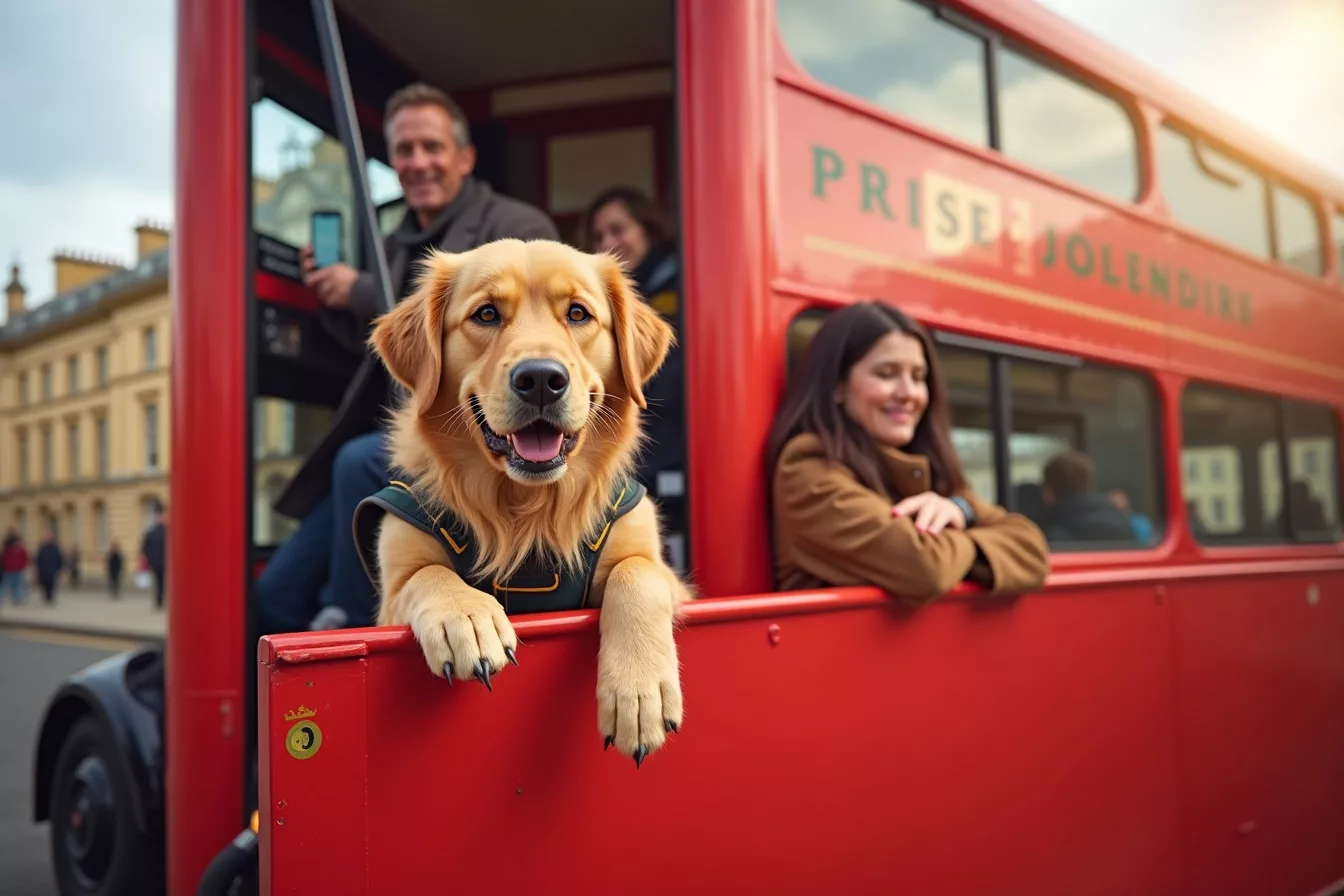

Did you know that 33 million pets live in UK households, yet most dog owners struggle to find truly welcoming towns? A 2024 Dogs Trust study revealed that dog-friendly infrastructure varies wildly across the UK, with some cities leaving pooches behind whilst others roll out the red carpet. In this article you’ll discover which British towns are leading the pet revolution—and why Bath’s new dog-friendly bus scheme is changing the game entirely.
The shift towards pet-inclusive urban planning isn’t just heartwarming; it’s reshaping how we choose where to live. Research from the University of Bristol’s Animal Welfare and Behaviour Group found that 67% of dog owners now prioritise pet amenities when relocating, making dog-friendly credentials a genuine estate market advantage.
Why 2025 Is the Year of the Dog-Friendly City
Post-pandemic pet adoption surged, leaving councils scrambling to adapt public spaces. Bristol, Edinburgh, and York have emerged as unlikely champions, investing in off-lead parks, pet-welcoming restaurants, and even dog-friendly hotels that put Fido’s comfort first.
What’s driving this trend? The British Veterinary Association’s 2024 Pet Ownership Report documented that dog owners now spend an average of £2,500 annually per pet on experiences and hospitality—making pet-friendly businesses a genuine economic opportunity for struggling high streets.
📊 Key Figures 2025
- 67% of dog owners now factor pet amenities into relocation decisions (University of Bristol, 2024)
- £2,500 average annual spend per dog on experiences, hospitality, and services (BVA, 2024)
- Only 12% of UK towns meet Dogs Trust’s ‘Gold Standard’ for canine infrastructure (Dogs Trust National Survey, 2025)
Sources: Dogs Trust, BVA, University of Bristol Animal Welfare Group
The UK’s Top Dog-Friendly Towns Right Now
Bath, Somerset: This Georgian beauty launched the UK’s first dog-friendly bus initiative in September 2024, allowing well-behaved dogs to travel free on local services. The city boasts 27 dedicated dog parks, plus over 40 pet-welcoming cafés and gastropubs where your pooch gets a water bowl as standard.
Edinburgh, Scotland: Dog owners rave about Inverleith Park’s massive off-lead zone and the city’s dog-friendly accommodation network. Major hotels like The Waldorf Astoria now offer bespoke pet concierge services, including dog-sitting and gourmet pet menus.
York, North Yorkshire: Medieval charm meets modern pet hospitality. York’s city walls feature designated dog-friendly walking routes, and the historic Shambles district has introduced pop-up dog-friendly markets where local businesses welcome four-legged shoppers.
Brighton & Hove, East Sussex: The pier, the beach, the vibe—dogs are genuinely integrated into Brighton’s identity. The council’s new ‘Paws in the Park’ scheme has created six new specialist dog parks with agility equipment and breed-specific play zones.
✅ Expert Tip
Before relocating with your dog, contact the local council’s leisure department directly. Ask about off-lead provision, vet availability, and pet-friendly accommodation. Mabel, a 4-year-old Cavapoo from Manchester, recently moved to Bath and her owners wish they’d requested a detailed ‘dog-friendly map’ from the council beforehand—it would’ve saved weeks of exploration.
What Makes a Town Truly Dog-Friendly?
It’s not just parks. Real dog-friendly towns offer: ample off-lead space (minimum 3+ dedicated areas per 10,000 residents), pet-welcoming hospitality venues, emergency vet access within 20 minutes, dog-friendly public transport, and community groups that organise social events.
The RSPCA’s 2025 Community Standards Framework now rates UK towns on these metrics. Fascinatingly, smaller market towns like Kendal (Lake District) and Totnes (Devon) are outscoring major cities in inclusivity, proving that dog-friendly credentials aren’t about size—they’re about attitude.
⚠️ Warning
Not all pet-friendly venues are created equal. Before visiting a new cafe or pub, ring ahead—some still exclude dogs, and anxiety from unexpected rejection can stress your pet. Always check Excite Travel’s updated ‘Dog-Friendly UK’ directory (verified 2025) to avoid disappointment.
The Hidden Costs of Dog-Friendly Living
Here’s the reality: dog-friendly towns often come with premium property prices. Bath’s average house price rose 8% in 2024, partly attributable to its emerging reputation as a pet haven. Edinburgh’s pet-friendly accommodation costs 15–20% more than standard hotels.
However, long-term savings offset this. Vet costs drop when emergency services are nearby, and social communities reduce behavioural problems, slashing training expenses.
Emerging Contenders for 2025–2026
Watch these towns closely: Harrogate (North Yorkshire) is investing £2.3 million in canine infrastructure, whilst Guildford (Surrey) just launched a ‘Pet Quarter’ with specialist shops, vets, and grooming facilities all within one district.
The trend is undeniable—UK towns are competing to become the next dog capital. As one Brighton resident told us: ‘It’s not just about dogs anymore. Pet-friendly policies reflect a town’s values about quality of life for everyone.’
The most surprising finding? Smaller towns are outpacing major cities. Kendal’s off-lead parks receive 95% satisfaction ratings from dog owners, versus 64% satisfaction in central London—a gap that’s forcing London councils to rethink their approach.
Have you noticed your own town becoming more dog-friendly, or are you considering a move to one of these canine havens? Next step: visit Dogs Trust’s town ratings (dogsrust.org.uk/towns2025) and contact your local council about pet-friendly initiatives—your feedback directly influences future planning decisions.