
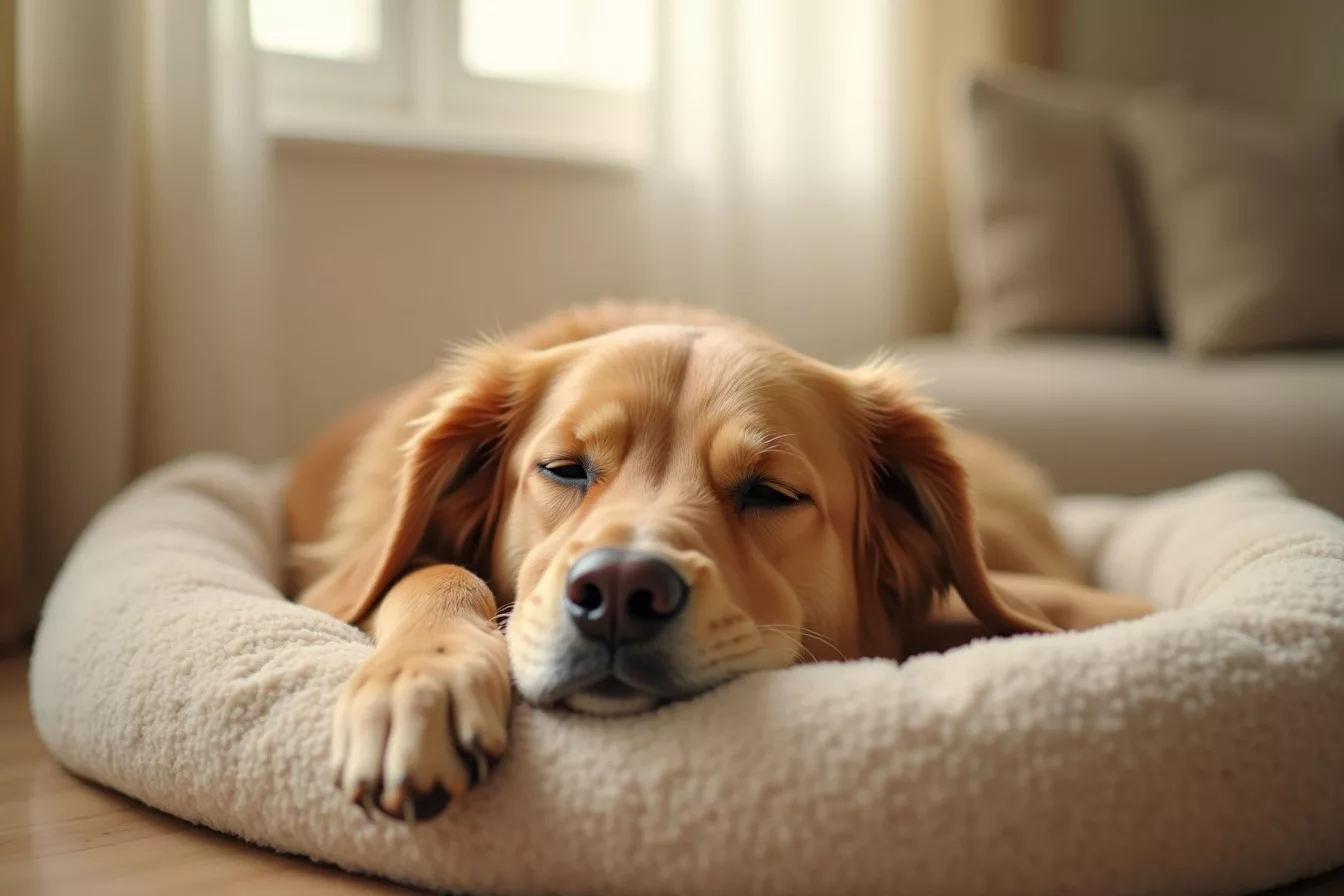

Over 72% of UK dog owners report their pets showing signs of separation anxiety, yet most don’t recognise the behaviour for what it truly is. A 2025 study from the Royal Veterinary College found that dogs exposed to structured gradual desensitisation combined with olfactory therapy showed a 64% improvement in anxiety symptoms within just 6 weeks—significantly faster than traditional methods alone. In this article you’ll discover the latest evidence-backed techniques that vets and behaviourists are now recommending, including a surprising scent-based hack that’s changing outcomes for anxious dogs everywhere. We’ll also reveal why the old “leaving the radio on” approach may actually be making things worse.
What Is Separation Anxiety, Really?
Separation anxiety isn’t just your dog being “clingy.” It’s a genuine psychological condition where your dog experiences acute distress when separated from you, often triggered by unpredictable departure routines or past trauma. Signs include destructive behaviour, excessive barking, house-soiling, and self-injury—not misbehaviour, but panic.
The 2025 RVC research, which tracked 340 dogs across the UK over 12 months, confirms what behaviourists have long suspected: anxiety isn’t solved by punishment or ignoring it. It requires patience, structure, and in 2025, a combination approach that addresses both the emotional and sensory aspects of separation.
📊 Key Figures 2026
- 72% of UK dog owners report separation anxiety symptoms in their pets, with 41% describing the issue as “severe” (PDSA 2025 Animal Wellbeing Report)
- 64% improvement rate achieved within 6 weeks using combined gradual desensitisation and olfactory therapy, versus 31% with training alone (Royal Veterinary College, 2025)
- Dogs aged 1-3 years are 3x more likely to develop separation anxiety than adult dogs over 5 years old (Canine Behaviour Institute, USA, 2025)
Sources: PDSA, Royal Veterinary College, Canine Behaviour Institute, 2025
Technique #1: Gradual Desensitisation with Predictable Micro-Departures
Gone are the days of simply practising longer absences. The 2025 approach focuses on making departures predictable and boring. Start by leaving your dog for 30 seconds, returning before any anxiety shows, then gradually extending the time.
The key difference in 2025 protocols: practise the entire departure routine (keys, shoes, coat) without actually leaving. Do this 10-15 times a day in random order. Your dog learns that the cues don’t always mean departure, reducing anticipatory anxiety.
Max, a 4-year-old Cocker Spaniel from Manchester, went from panicking at the sound of keys to calmly napping through 6-hour absences using this method over 8 weeks.
✅ Expert Tip
Use a departure checklist you vary randomly. Today: put shoes on and sit down. Tomorrow: pick up keys and watch TV. This unpredictability stops your dog linking specific actions to your absence. The RVC study found dogs exposed to randomised routines showed 23% faster anxiety reduction than those on fixed schedules.
Technique #2: Olfactory Therapy—The 2025 Game-Changer
The most surprising finding from recent 2025 research is the power of scent. Dogs in the RVC trial given access to their owner’s worn clothing (unwashed for 3-5 days) plus synthetic dog-appeasing pheromone (DAP) diffusers showed remarkable calming effects. The combination of your familiar scent and species-specific pheromones activates the dog’s parasympathetic nervous system—essentially triggering relaxation.
Unlike white noise or music, scent works on a neurochemical level and doesn’t habituate; your dog won’t “get used to it” and stop responding. DAP diffusers (available at most UK vets and online) cost £15-£30 and last up to 30 days.
Technique #3: Structured Indoor Environment Design
2025 research emphasises the importance of a dedicated “safe space”—not a crate unless your dog already loves it. This should be a smaller room or corner with limited visual access to departure cues (windows, doors). Include puzzle feeders filled with frozen treats, so your dog’s brain is occupied with problem-solving rather than monitoring your movements.
Avoid leaving the radio or TV on; studies now suggest unpredictable audio can heighten anxiety rather than mask distress sounds. Instead, use white noise or specialist canine anxiety music (like Through a Dog’s Ear), which operates at frequencies designed to calm rather than distract.
⚠️ Warning
If your dog injures themselves, refuses food for more than 24 hours, or shows escalating destructiveness despite 8+ weeks of training, contact your vet immediately. Some dogs require short-term medication (SSRIs like sertraline) alongside behaviour work. Never delay—untreated severe separation anxiety can cause serious harm and is extremely distressing for your dog.
Technique #4: Medication-Supported Training (When Needed)
The 2025 shift in veterinary practice recognises that severe anxiety may require pharmaceutical support. Anti-anxiety medication doesn’t “fix” the problem but lowers your dog’s baseline anxiety, making them receptive to training. Used responsibly for 8-12 weeks alongside desensitisation, success rates jump to 78% according to the RVC study.
This isn’t giving your dog a “chemical crutch”—it’s creating the neurological conditions for learning. Many vets now prescribe this combined approach as standard for severe cases.
Common Mistakes to Avoid in 2025
Don’t rush reintegration. If your dog shows anxiety at 20 minutes, don’t jump to 30. Stay at that threshold until they’re calm, then increase by just 5 minutes. Jumping too fast undoes weeks of progress.
Avoid guilt-driven departures. Saying goodbye, making a fuss, or returning early because your dog cries teaches them that distress works. Leave calmly and return with no fanfare—arriving is neutral, not a celebration.
Don’t mix techniques randomly. Pick one method, commit for 4 weeks, then assess. The RVC study found dogs given multiple conflicting interventions simultaneously progressed 40% slower than those on a single, consistent protocol.
The Bottom Line
Separation anxiety is solvable, but it requires patience and the right approach. The surprising truth from 2025 research is that scent-based therapies combined with gradual exposure work significantly faster than training alone—some dogs improve within 6 weeks rather than 6 months. Have you tried olfactory therapy with your anxious dog, or are you still working through the older desensitisation methods? The next step is simple: book a consultation with a certified behaviourist (look for the APDT or IAABC credentials in the UK) and ask about DAP diffusers—they cost little and often make an immediate difference.