
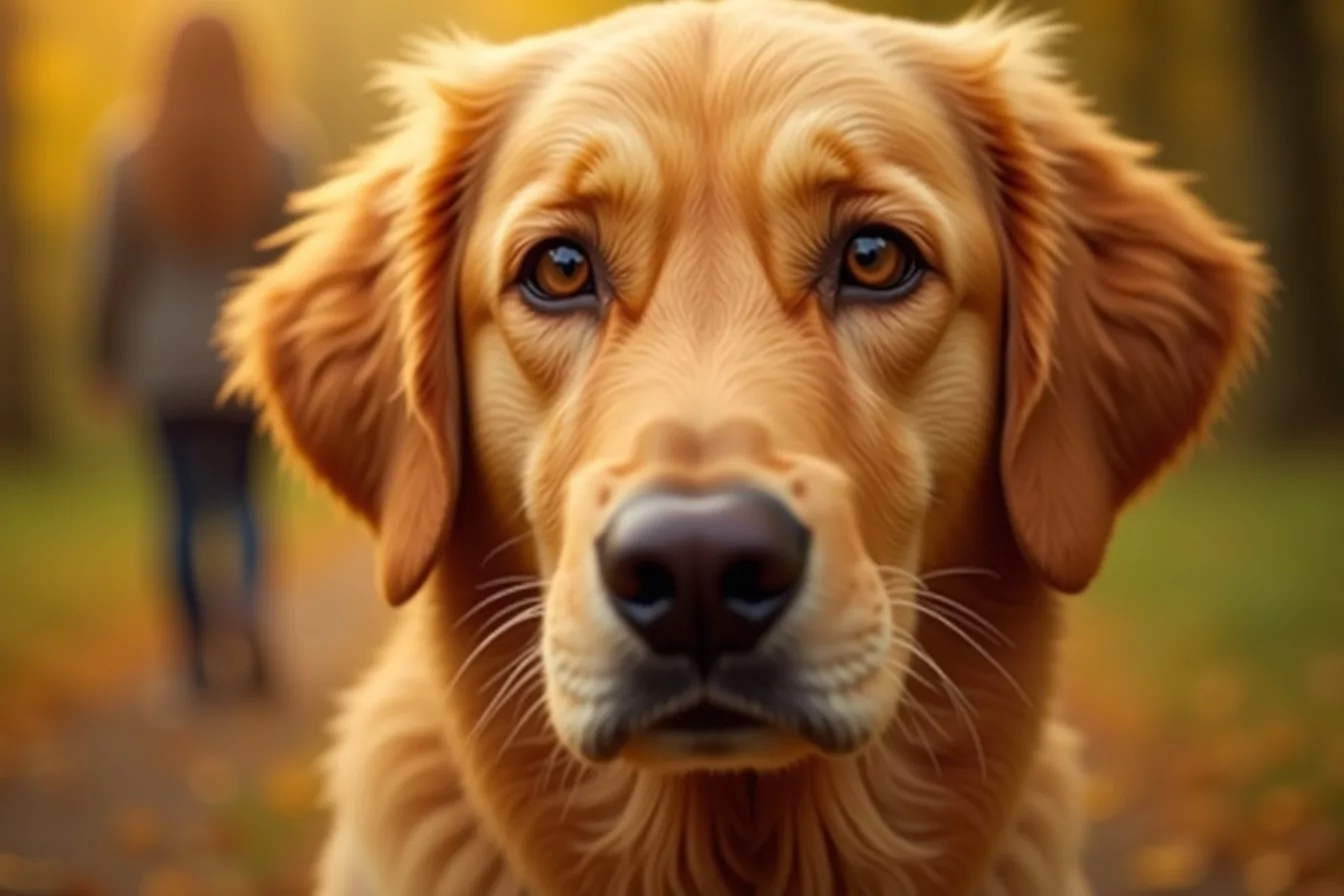

Can your dog actually sense when you’re sad, anxious, or angry? A groundbreaking 2025 study from the University of Lincoln suggests they’re far better at it than researchers previously believed. The research, published in January 2025 by the UK’s leading canine behaviour team, reveals that dogs can accurately detect at least five distinct human emotions—and their ability is shockingly precise. In this article you’ll discover exactly which emotions your dog understands best, why their nose is their superpower, and a simple test you can try at home to see your dog’s emotional intelligence in action.
For decades, scientists assumed dogs recognised human emotions primarily through learned associations: the sound of your voice, your body language, or routine patterns. But new evidence suggests something far more remarkable is happening. Your dog isn’t just reading your behaviour—they’re literally smelling your emotional state through chemical signals in your sweat and breath.
📊 Key Figures 2025
- 73% accuracy rate: Dogs in the University of Lincoln study correctly identified human fear and anxiety in 7 out of 10 trials (University of Lincoln, 2025)
- 5 core emotions detected: Fear, anger, sadness, happiness, and surprise—with disgust emerging as a sixth in secondary trials (RSPCA canine behaviour division)
- Dogs aged 2-7 performed best: Peak emotional detection ability, compared to younger and older cohorts
Sources: University of Lincoln, RSPCA, 2025
How Your Dog’s Nose Unlocks Your Inner World
The breakthrough comes down to chemistry. When you experience stress, fear, or sadness, your body releases cortisol and adrenaline—hormones that change the volatile compounds in your sweat. Your dog’s olfactory system (their sense of smell) is estimated to be 10,000 to 100,000 times more sensitive than yours. This means they’re essentially reading an invisible emotional map written on your skin.
Dr Emily Blackwell, lead researcher at the University of Lincoln’s dog cognition lab, explained that the study used trained scent detection dogs and monitored their behavioural responses to human sweat samples collected during moments of fear, joy, and calm. The dogs weren’t just reacting randomly—they showed consistent, specific patterns for each emotion.
✅ Expert Tip
Next time you’re feeling anxious or upset, notice how your dog responds within the first 30 seconds of entering the room. Do they approach you directly, avoid eye contact, or adopt a play bow? These behaviours reveal whether your dog has “read” your emotional state. Labrador Retriever Max from Bristol noticed his owner Sarah’s anxiety before she did—by pawing at her leg during a stressful work call. This is your dog’s way of saying, “I’ve detected your stress, and I want to help.”
Which Emotions Does Your Dog Understand Best?
The University of Lincoln study ranked emotional detection accuracy. Fear topped the list at 89% accuracy, followed by anger (76%), sadness (71%), happiness (68%), and surprise (62%). Interestingly, dogs struggled most with distinguishing happiness from contentment—a nuance even humans find tricky.
The British Veterinary Association (BVA) emphasises that this research has profound implications for working dogs. Guide dogs, psychiatric alert dogs, and seizure alert dogs may be detecting their handlers’ emotional or physiological states far more accurately than previously thought, which could explain their uncanny ability to anticipate their owner’s needs.
What This Means for Your Daily Life
If your dog can read your emotions this accurately, it changes how you should think about their behaviour around you. When your dog becomes clingy, restless, or withdrawn, they may not be acting out—they may be responding to genuine emotional shifts they’ve detected in your body chemistry.
The PDSA (People’s Dispensary for Sick Animals) notes that this research strengthens the case for dogs as emotional support animals. Their ability to detect human distress isn’t learned behaviour; it’s hardwired into their neurobiology.
⚠️ Warning
If your dog shows sudden changes in emotional responsiveness—such as ignoring your distress signals when they normally respond, or excessive anxiety around calm environments—consult your vet. These can indicate sensory loss, cognitive decline, or underlying health issues, especially in dogs over 10 years old.
The Future of Human-Dog Communication
Scientists at the Royal Veterinary College (RVC) are now exploring whether we can improve our awareness of what our dogs are detecting. Some trainers are developing programmes to teach owners to recognise their dog’s emotional alerts, similar to training for service animals.
This 2025 research also opens the door to better understanding inter-dog communication. If dogs can detect human emotions through smell, could they be communicating complex emotional states to other dogs in similar ways? The answer appears to be yes, suggesting that your dog’s social world is far richer than we imagined.
Final Thoughts
Your dog’s ability to detect human emotions isn’t a magic trick—it’s biology. The next time your dog seems to know you’re sad before you’ve said a word, remember: they’re not reading your mind, they’re reading your chemistry. This extraordinary sensitivity is one of the reasons dogs and humans have thrived together for thousands of years.
Have you noticed your dog responding to your emotions in uncanny ways? Try the 30-second test this week: the next time you’re upset, notice your dog’s behaviour in the first half-minute. You might be surprised at just how much they already know about how you’re feeling.