
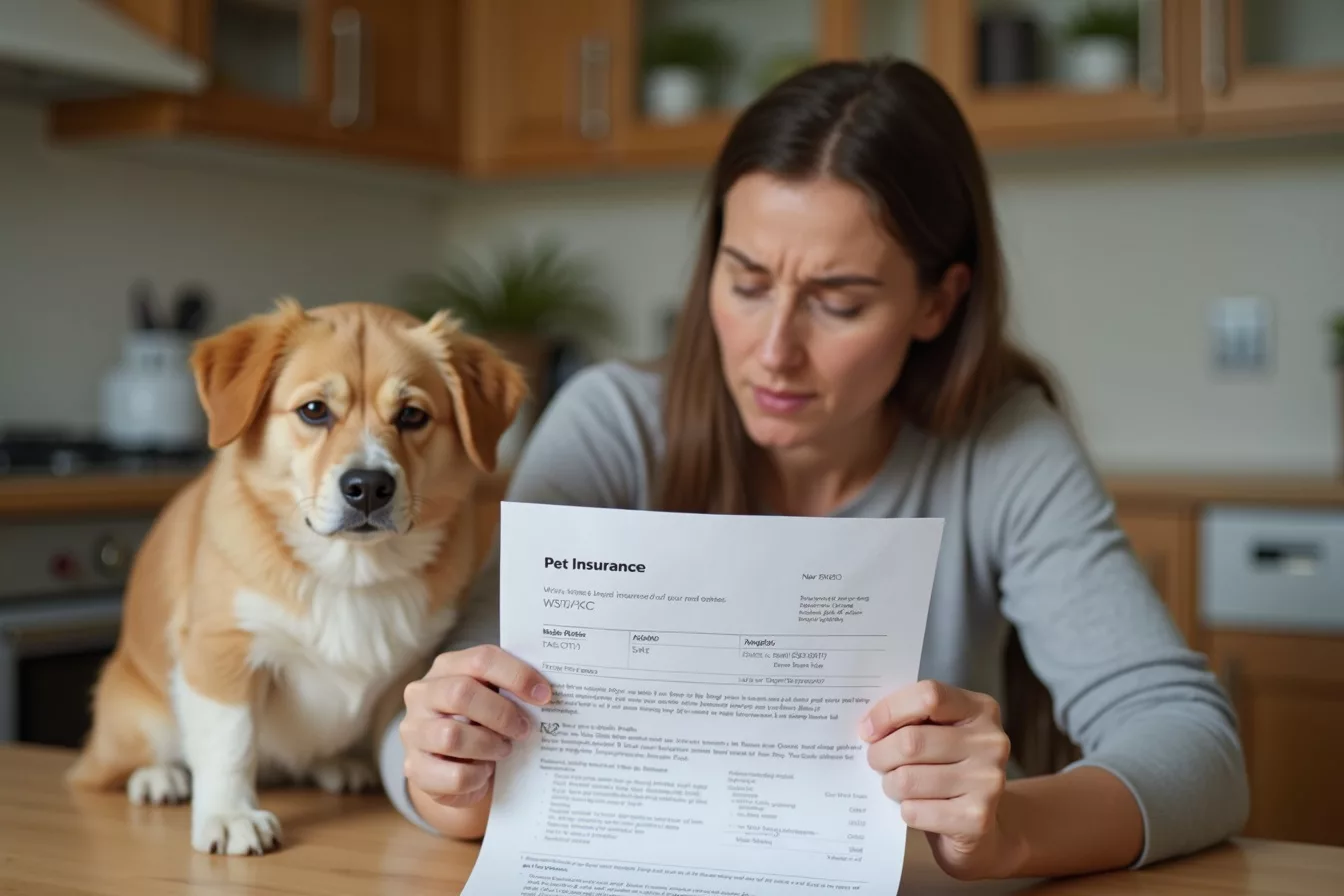

If your pet insurance renewal letter has left you reeling, you’re not alone. Pet insurance premiums across the UK have surged by 18% in 2025, according to a damning report from the British Veterinary Association (BVA) released in January 2025. But what’s driving these eye-watering increases, and more importantly, what can you do to protect your furry friend without breaking the bank? In this article you’ll discover the three smartest strategies used by savvy pet owners to navigate rising costs—plus a little-known loophole that could save you hundreds this year.
📊 Key Figures 2025
- 18% premium increase: Average UK pet insurance costs rose from £286 to £338 annually for dogs, BVA 2025
- Vet bills climbing 23% year-on-year: Underlying treatment costs drive insurers’ pricing, PDSA Animal Welfare Report 2024
- Only 34% of UK pet owners have active pet insurance, leaving millions vulnerable, according to the Association of British Insurers
Sources: British Veterinary Association, PDSA, Association of British Insurers, 2024–2025
Why Are Premiums Spiralling?
The cost of veterinary care has become genuinely alarming. A routine surgical procedure that cost £800 five years ago now runs to £1,200 or more. Pet insurers are caught between rising claims and their own operational costs, forcing them to pass the burden directly to owners.
Add inflation, staffing shortages at veterinary practices, and the rising cost of specialised equipment and medications, and you have a perfect storm. The BVA’s 2025 data reveals that premiums for older pets have jumped even more dramatically—cats over 10 years old have seen increases of up to 35%.
The Three-Step Strategy to Save Money Right Now
✅ Expert Tip #1: Switch Before Renewal
Don’t renew automatically with your existing insurer. New customer discounts can be substantial—sometimes 20-30% cheaper than renewal quotes. Compare at least five providers using the same excess level and coverage limits. Milo, a 5-year-old Cocker Spaniel from Manchester, saved his owners £127 annually simply by switching to a competitor with identical coverage. Start shopping 6 weeks before your renewal date to lock in the best rates.
Step Two: Reassess Your Excess and Coverage Limits
Many pet owners are over-insured. A higher excess (the amount you pay toward each claim) directly lowers your premium. If you have a healthy pet under 7 years old, increasing your excess from £100 to £250 could reduce your annual cost by 15-20%.
Similarly, consider whether you actually need “lifetime” cover for every condition. Time-limited policies (which cover a condition for 12 months) are significantly cheaper and work well for younger pets with no pre-existing issues. The PDSA recommends assessing your pet’s health history before deciding on coverage type.
✅ Expert Tip #2: The Wellness Add-On Loophole
Instead of paying out-of-pocket for preventative care (vaccinations, dental checks, microchipping), some insurers offer cheap wellness riders for £5-8 per month. This sounds trivial, but if you’re already paying an excess on claims, you’re likely spending more on routine care than a wellness add-on would cost. Check your renewal documents carefully—many owners miss this option entirely.
Step Three: Explore Breed-Specific or Membership Schemes
Breed clubs and pet membership organisations like Kennel Club Insurance or RSPCA Pet Insurance often negotiate group rates. If you’re a member of any dog breed club or cat society, you may qualify for discounts of 5-12%. Similarly, some employers and financial institutions offer pet insurance as an employee benefit—check with your HR department.
⚠️ Important Warning
If your pet has any pre-existing conditions, they will almost certainly be excluded from new policies. Don’t cancel your current insurance and then reapply—you’ll lose cover for those conditions permanently. Always switch during the renewal window without a gap in coverage.
What If You Can’t Afford Insurance at All?
The reality is that 66% of UK pet owners have no insurance. If premiums are genuinely unaffordable, investigate whether your pet qualifies for PDSA or RSPCA veterinary support (income-based), or set up a dedicated pet savings account with your bank. Even £30 per month builds an emergency fund faster than a shock £2,000 surgery bill depletes it.
The Bottom Line
An 18% premium jump is painful, but it doesn’t mean you’re powerless. The most surprising discovery from the BVA report is that most pet owners never shop around—they simply accept renewal quotes and grumble. This year, dedicate one afternoon to comparing providers, adjusting your coverage, and checking for membership discounts. For most pets, you’ll recoup your effort within weeks. Have you checked your renewal quote yet, or are you still paying last year’s price?