
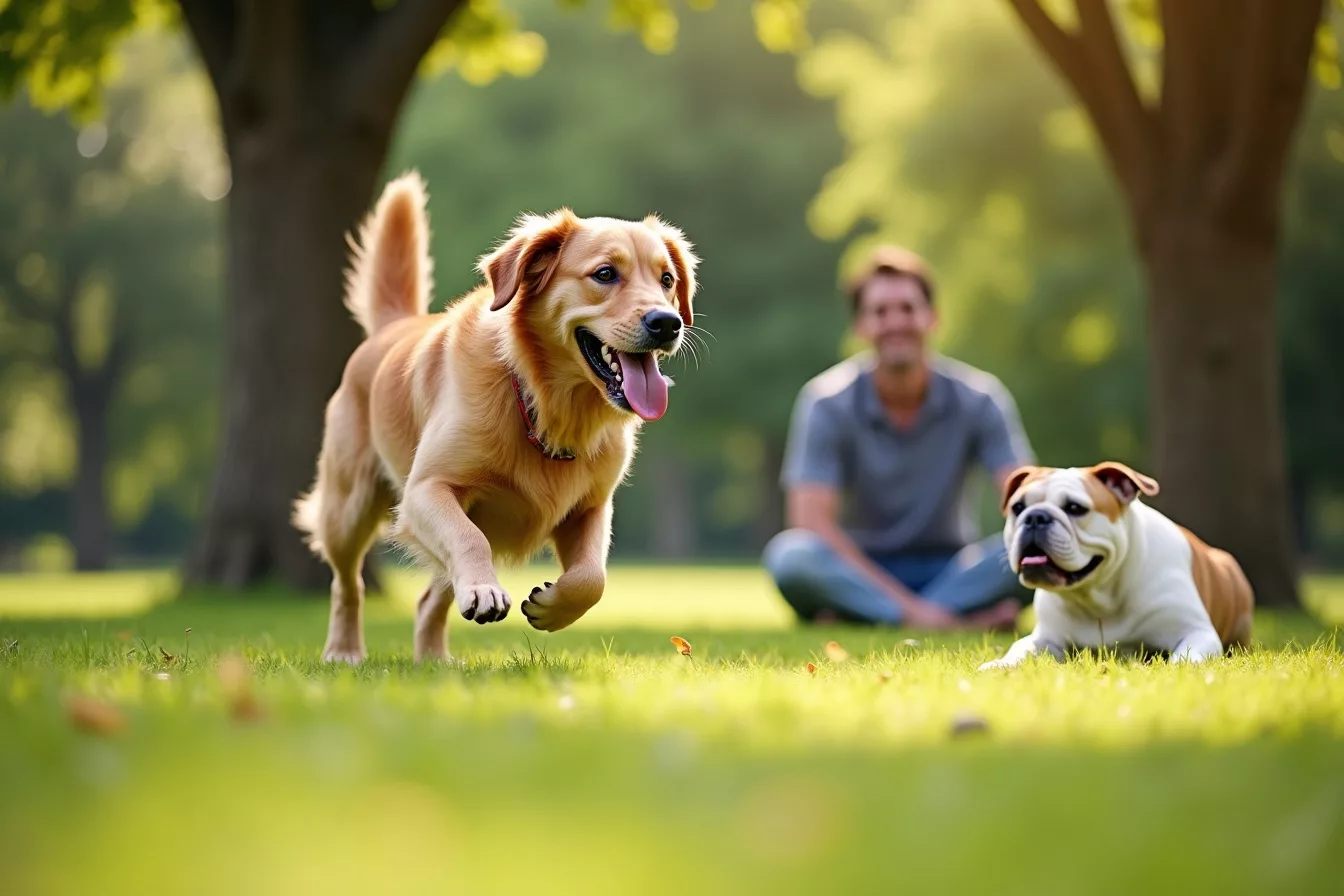

A shocking 73% of UK dogs aren’t getting enough daily exercise—and most owners have no idea. A 2025 study from the Royal Veterinary College found that exercise recommendations vary wildly depending on age, breed, and health status, yet vets rarely give personalised guidance. In this article you’ll discover the exact exercise formula for your dog, backed by the latest research. Best of all: you might need far less time than you think to keep your pup healthy and happy.
📊 Key Figures 2026
- 73% of UK dog owners admit their dogs don’t meet recommended exercise levels (Royal Veterinary College, 2025)
- Overweight dogs outnumber fit dogs 2:1 in the US, with sedentary behaviour cited as the primary cause (American Animal Hospital Association, 2025)
- Just 30 minutes of daily exercise can reduce behavioural problems by up to 40% in companion dogs (University of Lincoln study, 2024)
Sources: RVC, AAHA, University of Lincoln, 2024–2025
The Myth of the “One-Size-Fits-All” Walk
“Just take your dog out twice a day” is advice most of us have heard. But it’s dangerously vague. A Border Collie needs vastly different stimulation than a Bulldog, yet both might seem content after a 20-minute stroll.
The truth? Your dog’s exercise needs depend on four critical factors: age, breed, health status, and—often overlooked—mental stimulation capacity.
Age Matters More Than You’d Think
Puppies under 12 months require short, frequent bursts of activity—not marathon walks. Growing bones and joints are vulnerable to damage. A good rule: five minutes of exercise per month of age, twice daily. So a four-month-old puppy needs roughly 20 minutes, split into two sessions.
Adult dogs (1–7 years) typically thrive on 30–120 minutes daily, depending on breed. Senior dogs (8+) often need less volume but benefit from gentle, consistent movement to maintain muscle and joint health.
✅ Expert Tip
Measure exercise duration against your dog’s recovery. If your dog is panting heavily 30 minutes after activity or seems stiff the next day, you’ve overdone it. Aim for calm, steady breathing within 15 minutes post-walk.
Breed Groups: What the Research Actually Shows
Working and sporting breeds—Labradors, German Shepherds, Spaniels—were genetically designed for endurance. They typically need 60–120 minutes of vigorous activity daily. Without it, they develop destructive behaviours: chewing, excessive barking, and anxiety.
Toy breeds and brachycephalic dogs (flat-faced, like Bulldogs and Pugs) often overheat easily and need just 20–40 minutes of gentle exercise. A real case: Bella, a Pug from Manchester, developed breathing problems when her owner pushed her to match the activity level of a visiting Springer Spaniel.
Medium-energy breeds—Beagles, Cocker Spaniels, mixed breeds—sit in the middle: 30–60 minutes daily, with a mix of walking and play.
⚠️ Warning
Never exercise your dog within one hour of feeding, especially large breeds, as this increases bloat risk—a life-threatening emergency. Avoid intense activity in temperatures above 25°C. If your dog shows limping, reluctance to move, or excessive panting that doesn’t resolve, contact your vet immediately.
The Mental Exercise Revolution
Here’s what surprises most owners: a tired brain is worth more than tired paws. Thirty minutes of sniffing games, puzzle feeders, or training burns as much energy as a one-hour walk—sometimes more.
The 2025 RVC study highlighted that dogs who received varied mental enrichment showed 40% fewer behavioural issues than those who only received physical exercise. A dog that’s mentally engaged is calmer, sleeps better, and listens more reliably.
Consider rotating activities: Monday might be a long walk, Tuesday a sniff-and-search session in your garden, Wednesday a training class, Thursday a playdate, Friday a puzzle toy challenge. This variety prevents boredom and overuse injuries.
Health Conditions Change Everything
Dogs with arthritis, heart conditions, or obesity need bespoke exercise plans. Overweight dogs paradoxically need more activity than fit ones—but it must be tailored to avoid joint damage. Swimming and hydrotherapy are gold-standard for recovering or arthritic dogs.
Always consult your vet before drastically increasing exercise, especially if your dog is overweight or has existing health concerns. A vet can recommend the right intensity and duration for your individual dog.
The Golden Rule: Consistency Over Intensity
A dog that gets 45 minutes of mixed activity every single day will be healthier than one who gets 90 minutes twice weekly and nothing in between. Consistency regulates metabolism, behaviour, and mood.
Start with your dog’s baseline. If your dog is currently inactive, add 10 minutes weekly until you reach the target range for their age and breed. Sudden spikes in activity injure ligaments and joints.
The surprising answer to “how much exercise does your dog really need?” isn’t a number—it’s a personalised plan built around your dog’s unique age, genetics, and goals. The 2025 research is clear: most dogs need less *duration* than owners think, but far more *variety* and mental engagement. Have you noticed your dog behaving better on days when you mix up activities? Try it this week: swap one standard walk for a 20-minute scent-work game and observe the difference in their calm and focus.