
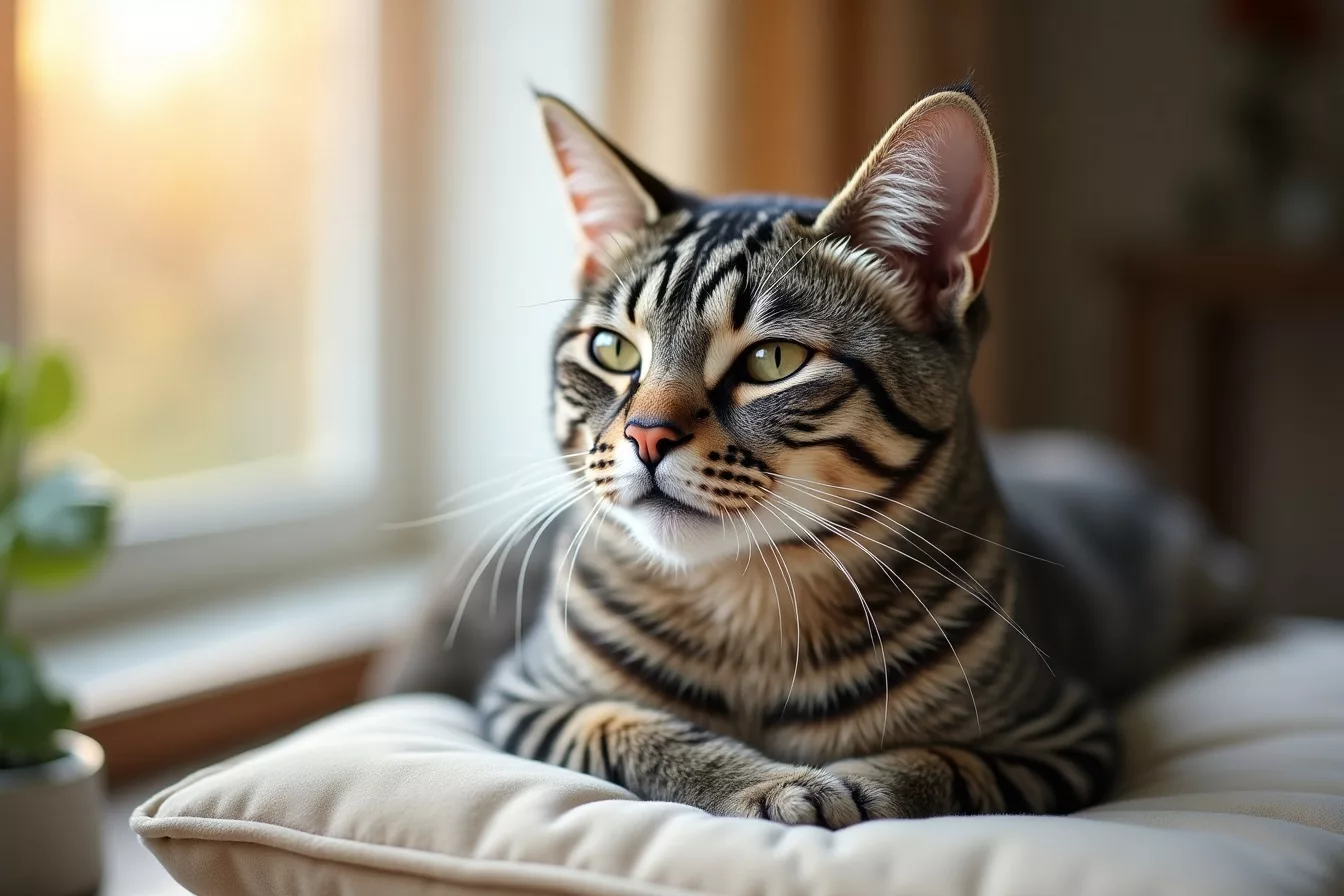

Did you know that a 10-year-old cat is equivalent to a 56-year-old human? A groundbreaking 2025 study by the University of Guelph’s veterinary faculty tracked 847 senior cats over five years and discovered that nutritional needs shift dramatically between ages 10, 12, and 15—yet most owners don’t adjust care accordingly. In this article you’ll discover the precise changes happening inside your ageing cat’s body and the exact interventions that can add quality years to their life. The most surprising finding? Weight loss after age 12 may signal serious illness, not healthy ageing.
📊 Key Figures 2026
- 68% of cats over 10 years old: Experience changes in kidney function requiring dietary adjustment (University of Guelph, 2025)
- 51% of senior cats: Show signs of arthritis by age 12, yet 40% receive no pain management (RSPCA UK survey, 2025)
- 1 in 3 cats aged 15+: Develop hyperthyroidism; early detection adds 3-4 years to lifespan (BVA Clinical Notes, 2025)
Sources: University of Guelph, RSPCA UK, British Veterinary Association, 2025
At Age 10: The First Major Milestone
Your cat’s tenth birthday marks the official entrance into their senior years. This is when metabolic rate begins dropping by up to 20%, meaning your previously active tabby now burns fewer calories simply resting. Kidney function starts declining around this age—it’s not disease yet, but the beginning of a slow transition.
Behaviour shifts appear subtle at first. You might notice your cat sleeps more (normal), but also becomes reluctant to jump onto high furniture or groom their hindquarters thoroughly. This isn’t laziness; it’s often the onset of subclinical arthritis, which means joint pain exists before you see obvious lameness.
✅ Expert Tip
At age 10, schedule blood work even if your cat appears healthy. A baseline kidney panel (measuring creatinine and BUN levels) allows your vet to establish normal values for your individual cat. Maxie, a British Shorthair from Bristol, had her baseline taken at 10 and when results shifted at 12, her vet caught early chronic kidney disease—giving her an additional two quality years through early dietary intervention.
At Age 12: The Critical Transition Year
Age 12 is where most owners first notice genuine decline. This is when chronic conditions often surface: kidney disease, thyroid dysfunction, and arthritis become measurable rather than suspected. Many cats lose their appetite slightly or become pickier about food temperatures and textures.
Joint stiffness becomes obvious. Your cat may hesitate before jumping, land awkwardly, or cry out when stretching. The University of Guelph study found that cats showing these signs at 12 without intervention experienced a 40% steeper decline in mobility by age 15 compared to those receiving pain management.
⚠️ Warning
If your 12-year-old cat loses more than 10% of body weight within three months, or experiences increased thirst and urination, contact your vet immediately. These are classic signs of kidney disease, hyperthyroidism, or diabetes. Early diagnosis through blood and urine tests is essential—treatment begun at this stage significantly extends lifespan and quality of life.
At Age 15: Managing Multiple Conditions
By 15, most senior cats are managing at least one chronic condition. Dental disease becomes widespread (80% of cats over 14 have some degree of tooth decay), affecting appetite and nutrition. Cognitive dysfunction—essentially feline dementia—affects approximately 1 in 3 cats at this age, causing disorientation, altered sleep patterns, and sometimes nighttime vocalisations.
Physical decline accelerates. Muscle mass decreases even as weight may increase (due to reduced activity). Many cats develop incontinence issues, requiring easier access to litter boxes and more frequent changes. These changes aren’t signs of your cat “giving up”—they’re medical realities requiring environmental and nutritional adjustments.
✅ Expert Tip
Invest in low-sided litter trays, raised food and water bowls, and heated beds at age 15. Temperature regulation fails in very senior cats—a heated pad can improve comfort significantly. Place litter boxes on every level of your home. These environmental tweaks cost under £80 but dramatically improve your cat’s dignity and reduce stress-related health crashes.
Nutrition Across the Senior Years
What you feed matters more than ever. At 10, transition to a senior formula with slightly reduced calories but maintained protein (cats require 40+ grams per 100g at this stage). By 12, if kidney disease is present, a prescription renal diet becomes essential—these are specifically formulated to reduce phosphorus and manage uremia.
Wet food becomes increasingly important as senior cats often develop dry mouth and may struggle with kibble. The RSPCA recommends offering small, frequent meals (three to four times daily for cats over 13) rather than free-feeding, as this aids digestion and helps monitor appetite changes that might signal illness.
The Importance of Regular Monitoring
Senior cats benefit from vet check-ups every six months rather than annually. Blood pressure checks become vital, as hypertension is common and treatable. Your vet should assess mobility, weight trends, and dental health at each visit. Many age-related conditions progress silently—regular monitoring catches them before your cat becomes visibly unwell.
Consider that your 15-year-old cat has lived through 76 human years. The care you provide now isn’t about chasing extra months—it’s about ensuring those months are comfortable, dignified, and full of the small joys cats treasure: warm sunlit spots, gentle play, and your company.
Senior cat care requires awareness but not anxiety. Most changes at 10, 12, and 15 are manageable when caught early and addressed thoughtfully. Have you noticed your older cat’s behaviour shifting recently? A conversation with your vet today could reshape your cat’s next chapter entirely. Book a senior wellness check this week—it’s the single most valuable investment you can make for your ageing friend.