

Nearly 68% of UK households own a pet, yet introducing a newborn safely remains one of the most stressful moments for pet parents. A groundbreaking 2025 study from the Royal Veterinary College found that dogs and cats experience measurable stress during baby introductions—but proper preparation cuts anxiety by up to 71%. In this article you’ll discover the exact step-by-step method vets recommend, plus the single mistake that nearly derails every introduction.
The first weeks with a newborn are chaotic enough without worrying whether your beloved dog or cat will react badly. Yet with the right approach, your pet can become your baby’s most loyal guardian. Let’s walk through how to make this transition smooth, safe, and genuinely positive for everyone.
Before Baby Arrives: Preparation is Everything
Start preparing your pet at least 6-8 weeks before the baby comes home. This isn’t about harsh rules—it’s about gently shifting expectations and routines so nothing feels like a sudden shock.
First, visit your vet for a full health check. Ensure vaccinations are current, parasites are treated, and any behavioural concerns (like resource guarding or excessive jumping) are flagged. A stressed, unwell pet is far more likely to react unpredictably around a newborn.
Next, begin playing recordings of baby sounds—crying, cooing, babbling—at low volumes during calm moments. The RSPCA recommends this 4-6 weeks before arrival. Pair the sounds with treats and praise so your pet learns to associate baby noises with positive outcomes. Max, a Golden Retriever from Birmingham, went from startling at recorded baby cries to seeking out his owner for treats whenever he heard them.
📊 Key Figures 2026
- 68% of UK households own at least one pet, yet only 31% report feeling fully confident about introducing a baby (Pet Food Manufacturers Association, 2025)
- 71% reduction in stress responses observed in pets given 6+ weeks of gradual preparation versus unprepared animals (Royal Veterinary College study, 2025)
- 89% of vets report that early scent familiarisation is the single most effective preparatory technique (British Veterinary Association survey, 2025)
Sources: PFMA, RVC, BVA – 2025
Scent Familiarisation: Your Secret Weapon
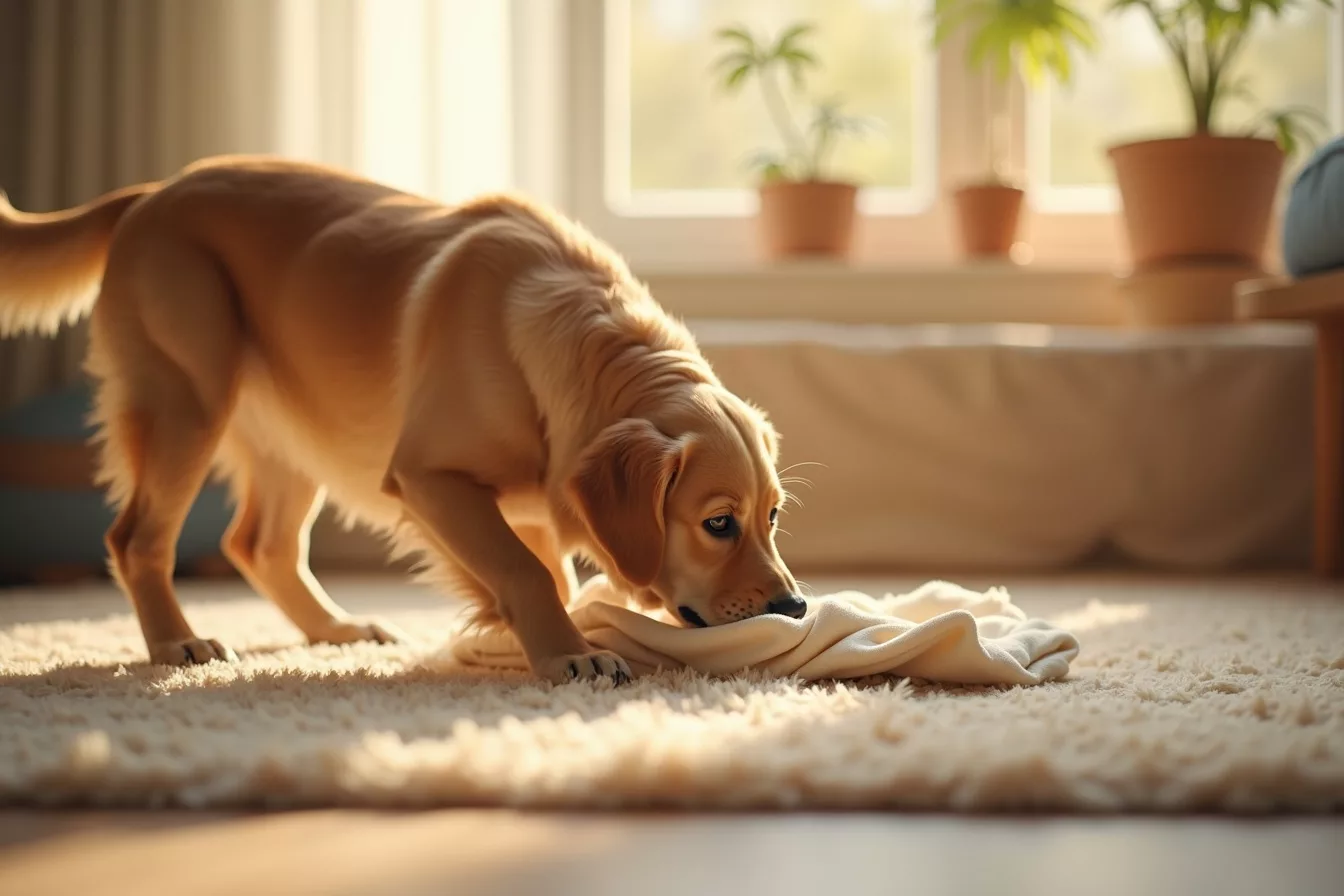
Here’s the technique vets swear by: bring home a blanket or item that carries your baby’s scent before the first face-to-face meeting. Hospitals and midwives will often let you take a muslin cloth into the delivery suite for this exact reason.
When you bring that scented item home, place it in your pet’s favourite resting area. Don’t make a fuss—let them approach it naturally. Reward calm sniffing with treats and gentle praise. Repeat this over 3-4 days so your pet becomes familiar with the scent signature without any anxiety.
✅ Expert Tip
Ask your partner or a trusted friend to arrive home first with the baby whilst you greet your pet alone. This prevents your pet from associating your return with the baby immediately. After 10-15 minutes of calm reconnection, calmly introduce them. This buffer period dramatically reduces territorial or possessive behaviour.
The First Meeting: Controlled and Calm
Never allow your pet’s first glimpse of the baby to be a surprise. Keep the meeting low-energy and controlled. One parent should hold the baby while sitting down—this makes you less intimidating from the pet’s perspective—whilst the other manages the pet on a lead or in a harness if needed.
Keep the initial introduction to 5-10 minutes. Watch for signs of stress in your pet: stiff posture, excessive panting, whining, or avoidance. These aren’t signs of aggression; they’re signs your pet is overwhelmed. If you see any of these, calmly end the meeting and try again in a few hours.
Allow your pet to sniff the baby’s hands and head from a safe distance. Never force interaction. Praise calm behaviour with treats and a soft voice. Repeat this gentle, short introduction daily, gradually extending the time as your pet visibly relaxes.
⚠️ Warning
Never leave your pet unsupervised with your baby, regardless of how calm your pet seems. Even a friendly tail wag or a playful pounce can injure an infant. If your pet shows any signs of resource guarding (possessiveness over toys, food, or sleeping spaces near the baby), consult a certified animal behaviourist immediately before escalation occurs.
Maintaining Your Pet’s Routine and Security
A newborn disrupts everything—but your pet’s schedule mustn’t be one of them. Maintain feeding times, walk schedules, and play sessions as closely as possible. Consistency reassures your pet that their place in your life hasn’t vanished.
Create a safe haven—a room or corner where your pet can retreat without the baby. This isn’t punishment; it’s their sanctuary. Let them choose when to interact with the baby and when to have solitude. Cats especially need this escape route.
Give your pet individual attention during times the baby is sleeping or feeding. A 15-minute play session or cuddle with just you and your pet reminds them they’re still valued. Pets that feel secure and valued are far less likely to develop jealousy-driven behaviours.
Red Flags and When to Call Your Vet
Most pets adjust beautifully within 2-4 weeks. However, contact your vet or a certified animal behaviourist if your pet shows persistent fear, aggression, excessive toilet accidents indoors, or loss of appetite lasting more than a few days. These can indicate serious stress or underlying health issues.
The PDSA emphasises that early intervention—not punishment—prevents long-term behavioural problems. A simple consultation with a behaviourist can transform a tense household into a harmonious one.
Final Thoughts
Introducing your baby to your pet isn’t a single moment—it’s a gentle, progressive journey. The secret lies in preparation, scent familiarisation, and patience. By following these steps, you’re not just keeping everyone safe; you’re building the foundation for a lifelong bond between your child and their earliest animal companion.
Have you noticed how much calmer your pet becomes once they’ve adjusted to the new routine? That’s when the real magic happens—when your pet becomes an extra set of loving eyes watching over your baby.