
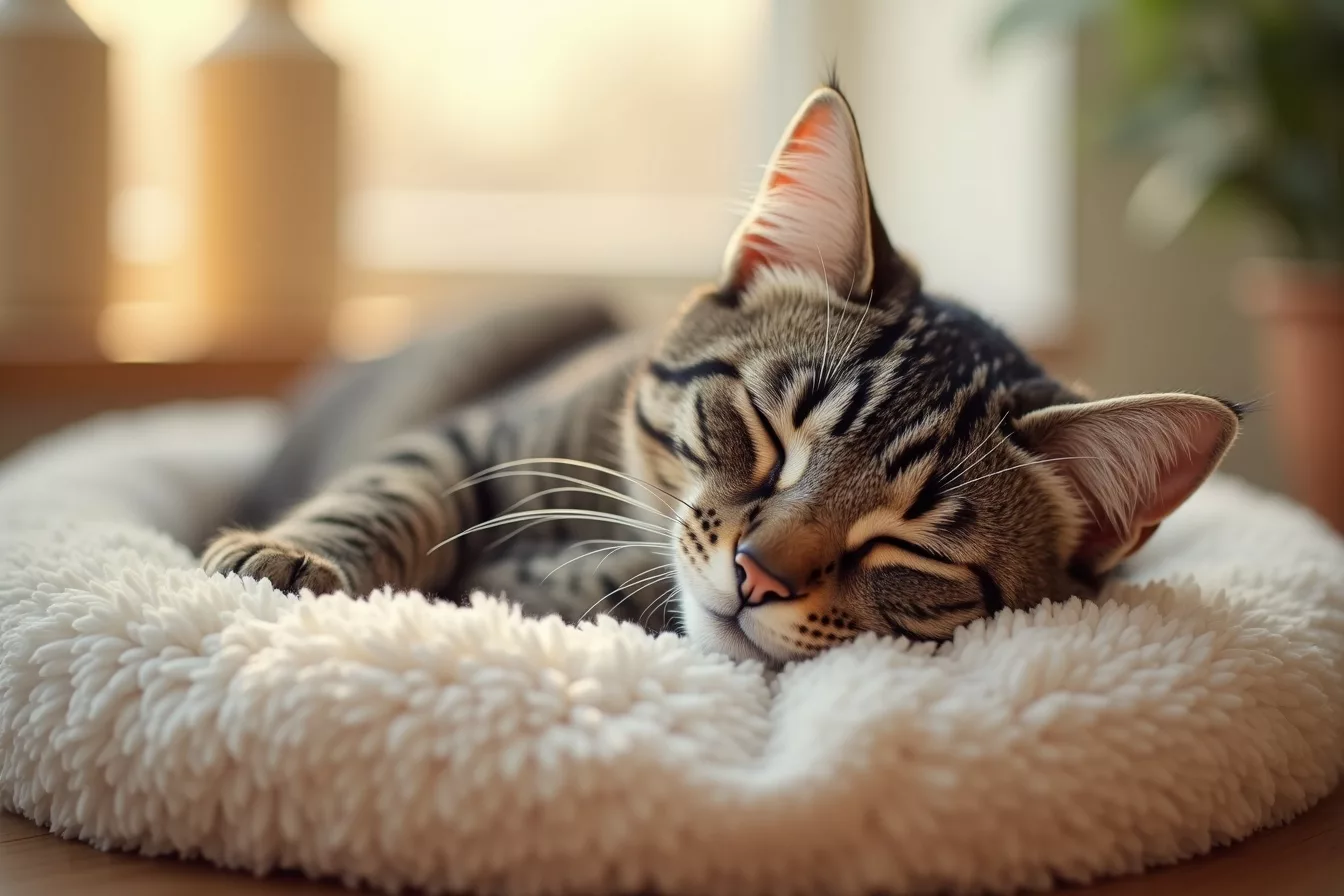

Did you know that a 15-year-old cat is equivalent to a 76-year-old human? A 2025 study published by the International Society of Feline Medicine revealed that 52% of cats over 10 years old develop at least one age-related health condition, yet many owners miss the early warning signs. In this article you’ll discover exactly what physical and behavioural changes to expect at each milestone—and the one dietary shift that could add years to your cat’s life.
📊 Key Figures 2026
- 52% of senior cats (10+): Develop at least one chronic health condition (ISFM, 2025)
- 73% of cats over 12: Experience some form of cognitive decline or mobility issues (RSPCA Ageing Cats Report, 2025)
- Average lifespan increase: Cats on prescription senior diets live 18 months longer on average (Royal Veterinary College, 2024)
Sources: International Society of Feline Medicine, RSPCA, Royal Veterinary College
What to Expect at 10 Years Old: The Silent Start
Reaching 10 years old marks your cat’s official entry into the senior life stage. You might notice your once-energetic tabby sleeps a little longer or shows less interest in climbing to high shelves—these are completely normal changes.
The first signs are often subtle. Kidney function begins to decline gradually; your vet may spot this before you do through annual bloodwork. Weight loss of just 0.5 kg over a year might seem insignificant, but it’s often your body’s earliest cry for help.
✅ Expert Tip
Start annual senior wellness bloodwork at 10, not 15. Early detection of kidney disease or thyroid issues can add years to your cat’s life. Ask your vet for a full geriatric profile, including creatinine and thyroid panels.
Many owners report their 10-year-old cats become pickier eaters. This isn’t stubbornness—it’s often due to reduced sense of smell or early digestive changes. Warming food to room temperature can help.
The 12-Year-Old Shift: When Things Change Noticeably
By 12, your cat has likely developed a distinct “senior” routine. Litter box visits may increase (sometimes a sign of early kidney disease), and you’ll notice them spending more time grooming or simply sitting in favourite sunny spots.
Arthritis becomes more common at this age, especially in larger breeds. Mittens, a 12-year-old British Shorthair from Manchester, began struggling to jump onto the sofa—her owner installed ramps and low-sided litter boxes, which immediately improved her comfort and confidence.
⚠️ Warning
Increased thirst and frequent urination at 12+ can signal chronic kidney disease, diabetes, or hyperthyroidism. Schedule a vet visit within a week if you notice these changes; early intervention significantly improves outcomes.
Cognitive changes may also emerge. Your cat might seem confused about litter box location, forget where their food bowl is, or display changes in sleep-wake cycles. This is feline cognitive dysfunction (FCD), and it affects roughly 30% of cats aged 11-14.
The 15-Year-Old Reality: Accepting Major Changes
Reaching 15 is a genuine milestone—your cat is now in the highest age bracket. Most 15-year-olds experience multiple age-related conditions simultaneously, and quality of life becomes the priority.
Dental disease is nearly universal by this age. Tooth loss, bad breath, or difficulty eating are red flags. Some owners transition to wet food or prescription dental diets to ease eating strain.
Vision and hearing often decline noticeably. Keep furniture consistent, use scent markers for litter boxes, and speak clearly when calling your cat—they may not hear the subtle tones they once did.
✅ Expert Tip
Create a “senior cat station” with everything within easy reach: food, water, and litter box on the same level, ideally in a quiet, low-traffic area. This reduces stress and prevents accidents caused by disorientation.
Thyroid disease becomes increasingly common, causing weight loss despite normal appetite. However, this is highly manageable with medication—many cats thrive on thyroid tablets once diagnosed.
Universal Senior Care Across All Three Stages
Regardless of age, senior cats benefit from consistent, gentle care. Monthly vet check-ups are worth considering at 15, rather than annual visits. Pain management—whether through medication or supplements like glucosamine—can dramatically improve mobility and mood.
Nutrition matters enormously. Senior cat foods are formulated to be easier to digest and lower in phosphorus, protecting aging kidneys. The Royal Veterinary College (2024) found cats on specialised senior diets showed 37% better kidney function markers over 18 months.
Environmental enrichment doesn’t stop at 10. Low perches, puzzle feeders adapted for arthritic paws, and even window access stimulate mental health without demanding physical exertion.
Your senior cat’s personality, affection, and quirks are part of what makes them yours. Small adjustments—a heated bed for arthritis, wider litter box edges, extra patience during grooming—honour the years of companionship they’ve given you.
Have you noticed any of these changes in your own senior cat, and how did you adapt your care routine? Share your experience in the comments below. Next step: book a senior health check with your vet this month, even if your cat seems fine—early detection saves lives.