
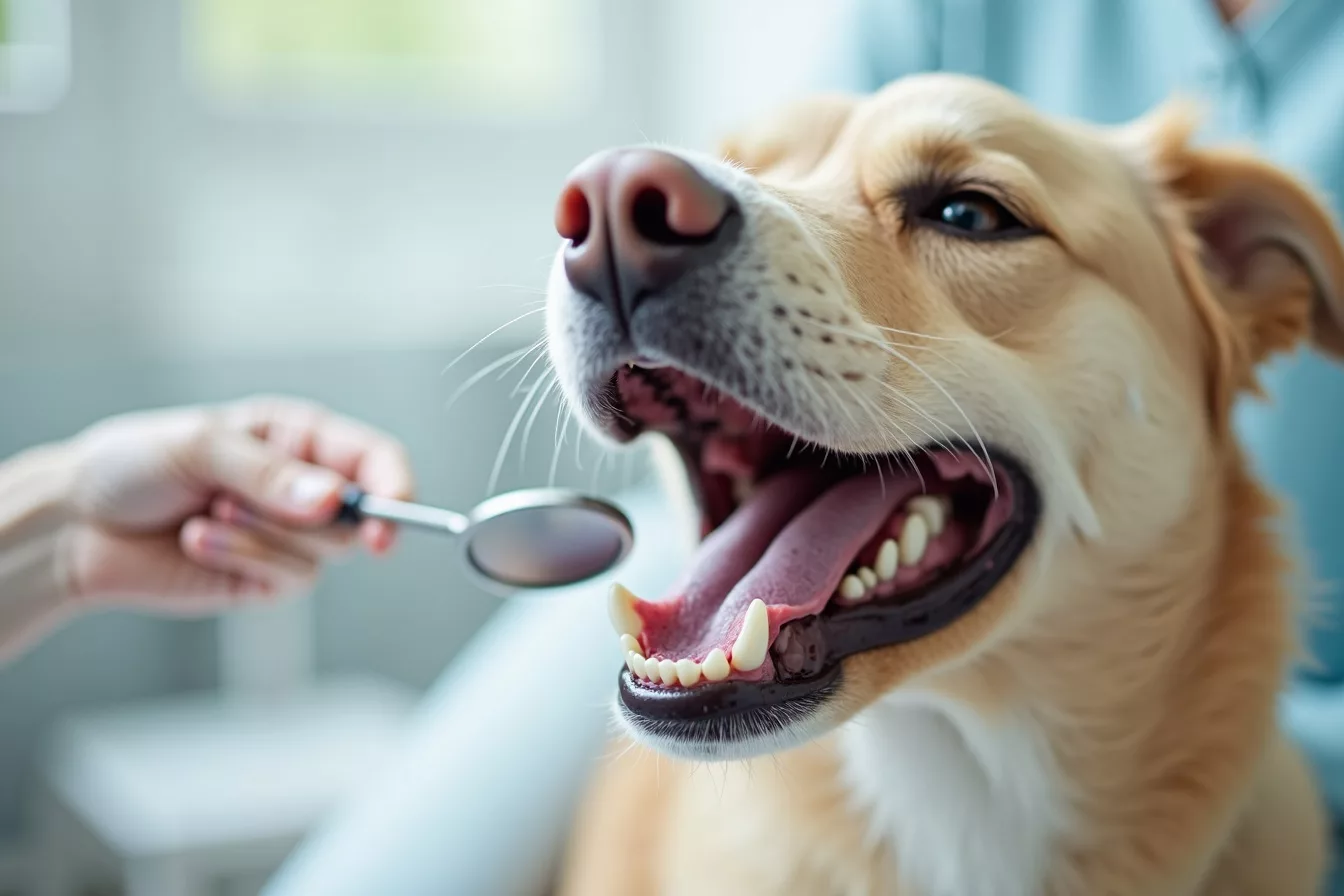

Did you know that 80% of dogs over the age of three suffer from some form of dental disease? A groundbreaking 2025 study by the Royal Veterinary College revealed that most owners have no idea their dog’s mouth is in trouble until it’s serious. In this article you’ll discover exactly what vets are seeing in surgery every single day—and the one simple habit that could save your dog’s teeth and thousands of pounds in vet bills. Spoiler: it’s not what you think.
📊 Key Figures 2026
- 80% of dogs over 3 years old have some degree of periodontal disease, often without visible symptoms (Royal Veterinary College, 2025)
- 73% of owners don’t brush their dog’s teeth regularly, yet it’s the gold standard prevention method (British Veterinary Association survey, 2025)
- Dental disease costs an average of £800-£2,500 per dog for professional cleaning and extractions in the UK (PDSA, 2026)
Sources: RVC, BVA, PDSA 2025-2026
What Vets Actually See Inside Your Dog’s Mouth
Every day, veterinary surgeons peer into dogs’ mouths and find the same heartbreaking pattern: tartar buildup, inflamed gums, and tooth decay that could have been prevented. The problem isn’t that owners don’t care—it’s that dental disease is sneaky.
Unlike humans, dogs can’t tell us their teeth hurt. They simply carry on eating, playing, and wagging their tails whilst bacteria multiply beneath the gum line. By the time most owners notice bad breath or loose teeth, significant damage has already occurred.
Max, a seven-year-old Labrador from Bristol, is a perfect example. His owner, Sarah, brought him in for a routine check-up, expecting a clean bill of health. The vet found advanced periodontal disease affecting four teeth. Two weeks later, Max underwent an extraction procedure. Sarah told us: “I wish I’d known earlier. He seemed absolutely fine.”
The Stages of Dental Disease in Dogs
Dental disease doesn’t happen overnight. It progresses through four stages, and prevention becomes exponentially harder at each level.
Stage 1 (Gingivitis): Early gum inflammation with plaque buildup. No tooth loss yet. This is the sweet spot for prevention.
Stage 2 (Early Periodontitis): Gum recession begins, and bone loss starts. Still reversible with professional intervention.
Stage 3 (Moderate Periodontitis): Significant bone loss (25-50%). Teeth may become loose. Professional cleaning and possible extractions needed.
Stage 4 (Advanced Periodontitis): Severe bone loss (over 50%), tooth loss, and pain. This stage can lead to systemic infections affecting the heart, kidneys, and liver.
✅ Expert Tip
Start brushing your dog’s teeth at least three times per week using a dog-specific toothpaste (never human toothpaste—it contains xylitol, which is toxic). A soft-bristled toothbrush or finger brush works best. Aim for 30 seconds per side. Dogs who have their teeth brushed from puppyhood have an 85% lower risk of serious dental disease by age seven.
Why Breath Odour Is Never “Just” Bad Breath
That distinctive “dog breath” smell isn’t normal. It’s actually a red flag that bacteria are thriving in your pet’s mouth. The odour comes from volatile sulphur compounds produced by periodontal pathogens.
Vets say this is the single most common sign owners report—yet many dismiss it as inevitable. It absolutely isn’t. A dog with excellent dental health has fresh, neutral-smelling breath.
If your dog’s breath has a pungent, almost rotten smell, book a dental check with your vet within two weeks. This isn’t cosmetic; it’s a health marker.
The Hidden Cost of Ignoring Dental Disease
Beyond tooth loss, untreated dental disease has serious systemic consequences. Bacteria from infected gums enter the bloodstream and can damage the heart, kidneys, and liver—organs with no obvious symptoms until irreversible harm is done.
A 2025 study published in the Journal of Veterinary Dentistry found that dogs with advanced periodontal disease were 2.3 times more likely to develop kidney disease within five years. Another study linked severe dental disease to cardiac valve infections.
These aren’t rare complications. They’re common consequences of years of untreated dental disease.
⚠️ Warning
Contact your vet immediately if your dog shows signs of oral pain (reluctance to chew hard food, drooling excessively, pawing at the mouth, reduced appetite) or if you notice loose teeth, bleeding gums, or severe halitosis. Dental infections can spread quickly and become life-threatening. Never wait for a routine appointment—ask for an emergency consultation.
What Vets Recommend in 2026
Modern veterinary dentistry has moved beyond simple scaling. Today’s recommendations are evidence-based and personalised:
For all dogs: Daily or tri-weekly tooth brushing is gold standard. It’s the single most effective preventative measure.
For high-risk breeds: Toy breeds (Chihuahuas, Yorkshire Terriers) and brachycephalic breeds (Bulldogs, Pugs) develop dental disease faster. They need dental check-ups every six months instead of annually.
For senior dogs (7+): Annual professional dental cleaning under anaesthesia is now considered preventative care, not just treatment. Modern anaesthetics are very safe in healthy older dogs.
Diet matters too: Soft, wet food alone provides no mechanical cleaning action. Dogs on primarily wet diets should have additional preventative measures. Dental-specific kibbles and raw meaty bones (under supervision) can help, but they’re supplements to brushing, not replacements.
The Financial Reality
Prevention costs almost nothing compared to treatment. A dog toothbrush and dog toothpaste cost about £8-£15. Five minutes of brushing, three times weekly, costs you zero pounds once you’ve bought the supplies.
A professional dental cleaning under anaesthesia costs £400-£800. Extractions add £100-£200 per tooth. Treating secondary infections or cardiac complications costs thousands more and often shortens your dog’s lifespan.
The maths are stark: invest a few minutes weekly, or invest thousands later.
Starting Now: A Practical Action Plan
If your dog has never had their teeth brushed, begin gently. Let them lick dog toothpaste off your finger for a few days. Then introduce the toothbrush slowly. Most dogs adapt within a week if you’re patient and make it positive.
Schedule a baseline dental check with your vet this month. They’ll assess your dog’s current oral health and give you specific recommendations based on age, breed, and existing conditions.
For dogs with existing tartar or gingivitis, ask your vet about professional cleaning options. Early intervention prevents progression to irreversible stages.
The truth vets see every single day is this: dental disease is preventable. The dogs with the healthiest mouths belong to owners who simply started brushing early and stuck with it. Your dog’s teeth aren’t destined to fail—they’re destined to thrive, if you give them the chance.
Have you checked your dog’s teeth recently? You might be surprised by what you find—or relieved by what you don’t.