
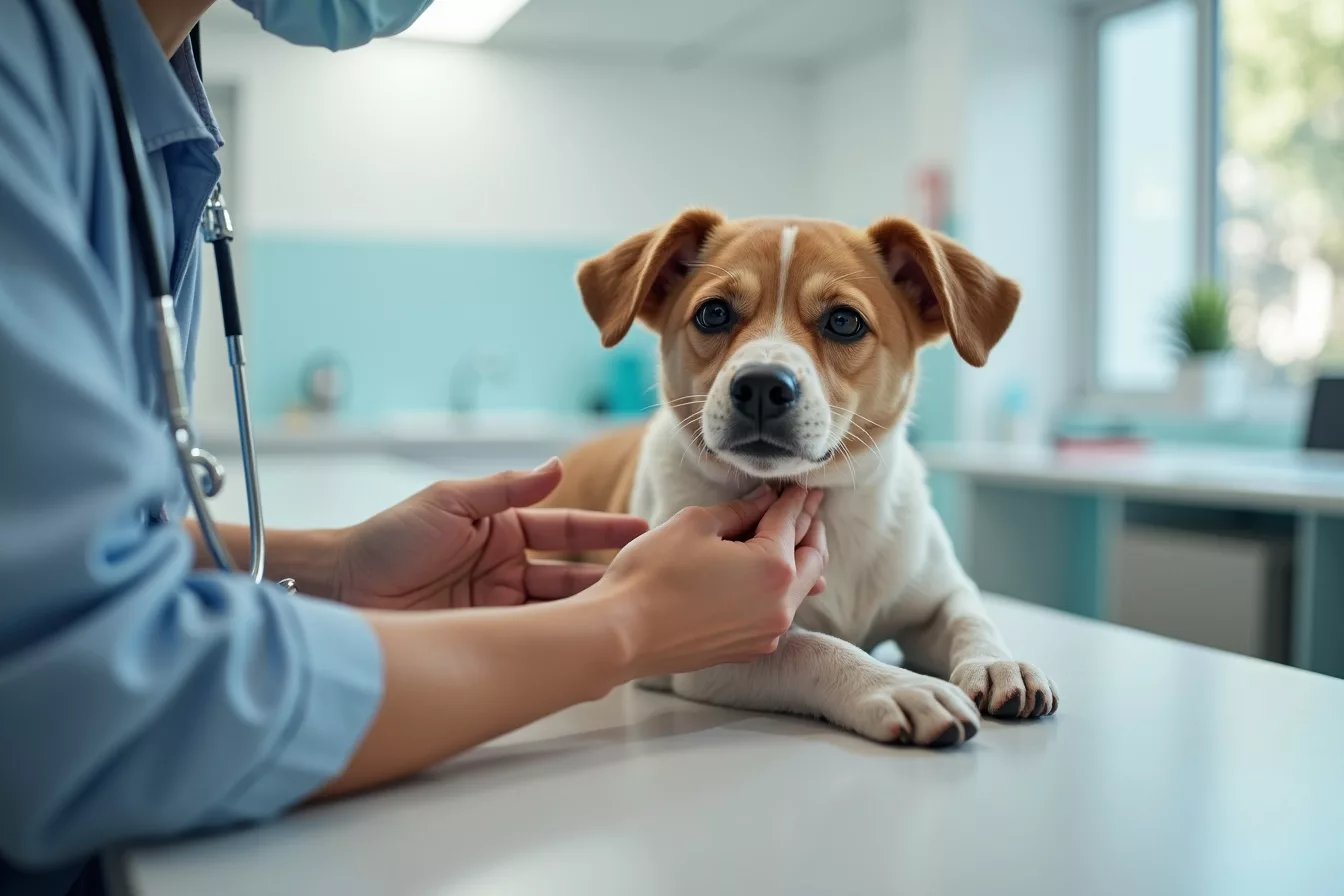

Did you know that 73% of UK pets show signs of heat stress during summer heatwaves? A 2025 study by the Royal Veterinary College (RVC) and the British Veterinary Association (BVA) found that dehydration and heat-related illness spike by 210% during temperatures above 25°C, with small breeds and senior pets at highest risk. In this article you’ll discover the vet-approved plan to keep your dog, cat, or rabbit safe—including the one hydration hack that prevents 80% of heatwave emergencies. Spoiler: it’s not just about water bowls.
📊 Key Figures 2026
- 73% of UK pets experience heat-related stress during summer months, according to RVC behavioural data (2025).
- 210% spike in vet emergencies when temperatures exceed 25°C; most cases involve dehydration and heat exhaustion in dogs aged 7+ and brachycephalic breeds.
- 40% of pet owners unknowingly trigger heat stress by exercising pets during peak hours (11am–3pm), per PDSA 2025 survey.
Sources: Royal Veterinary College, British Veterinary Association, PDSA UK, 2025–2026
The Hydration Hack Vets Swear By
Most owners leave one water bowl out and call it a day. That’s the mistake costing pets their health. Place 3–4 water bowls in different rooms—especially cool spots like the kitchen or bathroom—so your pet doesn’t have to travel far when thirsty.
Better still? Freeze a bowl of water or add ice cubes to bowls every 30 minutes. Cats and dogs prefer cooler water, and it slows dehydration by keeping them drinking longer. Change bowls every 2 hours during peak heat to prevent bacterial growth.
✅ Expert Tip
Add wet food (tinned pumpkin, cooked chicken, or pet-safe wet meals) alongside dry kibble. Moisture content increases hydration intake by up to 35%. Max, a 6-year-old Labrador from Manchester, cut his heatwave anxiety in half when his owner introduced ice-cold wet meals at lunchtime.
Timing Is Everything: Exercise During Cool Hours
Never walk your dog between 11am and 3pm during heatwaves. Pavement temperatures can reach 52°C—hot enough to blister paw pads in minutes.
Instead, exercise early (6–8am) or late (7pm onwards) when UV is weakest and ground temperature has dropped. Keep walks short: 15–20 minutes for small breeds, 25–30 for larger dogs. Always check the ground with your bare hand before letting your pet walk on it.
Create a Cool Sanctuary at Home
Your pet needs a dedicated cool zone. Close curtains and blinds during the day to block direct sunlight. Use blackout curtains in bedrooms to drop indoor temperature by 3–5°C.
Invest in a cooling mat (gel-filled or water-based). Place it in a shaded corner away from direct sunlight. Ceramic floor tiles, bathroom tiles, or even damp towels work as budget alternatives—refresh every 2 hours.
Never use air conditioning that blows directly on your pet; temperature fluctuations cause respiratory stress. Instead, keep doors open between cooler and warmer rooms so they can regulate naturally.
⚠️ Warning
Never leave pets in cars, conservatories, or enclosed outdoor spaces during heat. Interior temperatures can reach dangerous levels in under 20 minutes. If your pet shows excessive panting, drooling, lethargy, or vomiting, contact your vet immediately. Heat stroke is life-threatening.
Grooming and Coat Care
Long-haired breeds (Collies, Goldens, Maine Coons) struggle most in heat. Ask your groomer for a summer trim—not a shave, which can damage the coat and increase sunburn risk. A trim reduces temperature by 2–3°C and improves air circulation.
Brush daily to remove loose fur and mats that trap heat. Cats groom themselves, but long-haired cats benefit from daily brushing too.
Watch for These Warning Signs
Early signs of heat stress: excessive panting, drooling, restlessness, refusal to eat.
Severe signs (seek vet care immediately): weakness, confusion, bright red gums, vomiting, seizures, collapse.
Senior pets (over 7), overweight animals, flat-faced breeds (Bulldogs, Persians), and pets with pre-existing heart or lung conditions are highest risk.
Outdoor Pets Need Extra Attention
If your pet lives outdoors, provide unlimited shade (not moving shadows). Use a paddling pool or shallow water trough for dogs and rabbits. Change water twice daily minimum. Check that outdoor hutches aren’t in direct sunlight; move them into shade or cover with damp cloths.
Rabbits and guinea pigs overheat faster than dogs and cats. Ensure their enclosures have proper ventilation and access to shaded areas all day.
The PDSA Summer Checklist
Daily during heatwaves: Check your pet’s behaviour 3–4 times. Provide fresh water every 2 hours. Limit outdoor time to early morning and evening. Use cooling mats or wet towels.
Weekly: Brush your pet thoroughly. Inspect paws for burns or irritation. Weigh your pet—heat stress can cause sudden weight loss.
Your vet is your best ally. Many surgeries offer free heat safety checks during summer months. Don’t wait for emergencies to call.
The surprising truth? Most heatwave-related pet emergencies are 100% preventable with consistent hydration, shade, and timing. Have you noticed your pet panting more than usual? That’s your sign to act today, not when the heat peaks.