

Did you know that 1 in 3 UK pets show signs of heat stress during summer heatwaves? A 2025 study by the Royal Veterinary College found that heat-related emergencies in dogs and cats spike by 67% when temperatures exceed 28°C. In this article you’ll discover the vet-approved steps to protect your beloved companion from potentially life-threatening conditions. Most importantly, we’ll reveal the single biggest mistake owners make that vets are begging you to avoid.
📊 Key Figures 2026
- 67% increase in heat-related pet emergencies: The RVC reported a sharp rise in veterinary admissions for overheating during UK heatwaves (Royal Veterinary College, 2025).
- Dogs over 7 years old face 3.2x higher risk: Senior pets, brachycephalic breeds (pugs, bulldogs), and overweight animals are most vulnerable (PDSA Heat Safety Report, 2025).
- Only 41% of UK pet owners have a heat emergency plan: New data from the British Veterinary Association reveals a dangerous knowledge gap in heatwave preparedness.
Sources: Royal Veterinary College, PDSA, British Veterinary Association, 2025-2026
The Golden Rule: Hydration First
Fresh water is non-negotiable. Your pet should have constant access to clean, cool water indoors and outdoors. Change water bowls every 2-3 hours to keep it fresh and prevent bacterial growth.
✅ Expert Tip
Add ice cubes to water bowls throughout the day, or freeze a bone broth ice lick for dogs—flavour encourages drinking and the ice cools them from inside out. Vets at PDSA recommend this as a primary heat regulation tool.
The Biggest Mistake: Leaving Pets in Cars
This bears repeating: never leave your pet in a parked car, even for “just 5 minutes.” On a 22°C day, a car interior reaches 40°C in 40 minutes. Temperatures above 30°C cause fatal heatstroke within hours. If you spot a pet in a hot car, call the police non-emergency line immediately.
⚠️ Warning
Signs of heatstroke include excessive panting, drooling, vomiting, lethargy, or collapse. If your pet shows any of these, cool them with lukewarm water (NOT ice), place them in shade, and phone your vet immediately. Heatstroke is life-threatening and requires emergency care.
Create a Cool Haven Indoors
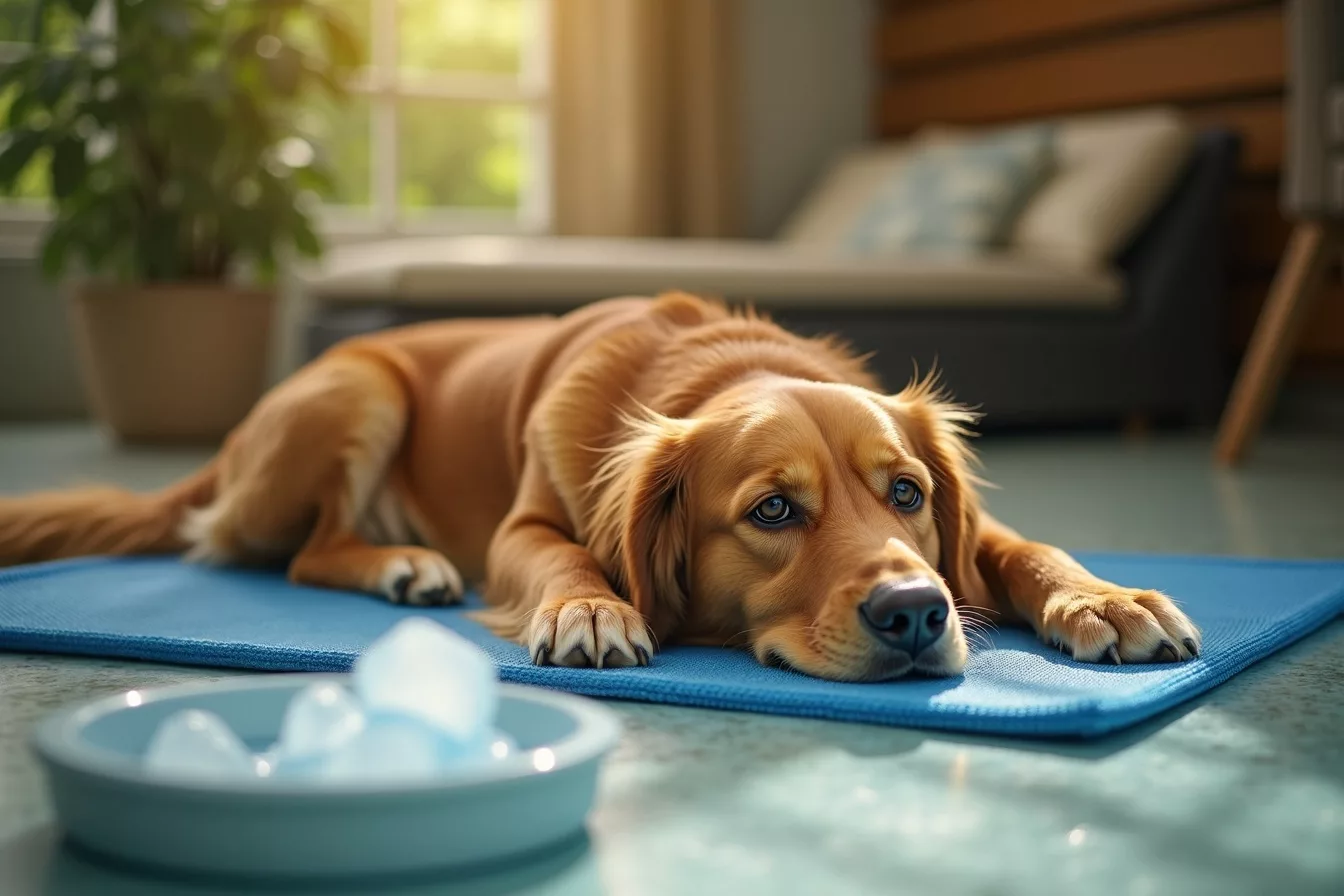
Close curtains and blinds during the hottest hours (11am-4pm) to block direct sunlight. Use fans strategically—point them towards windows at night to circulate cooler air. Consider investing in a pet cooling mat or freeze damp towels for your dog or cat to rest on.
Molly, a 5-year-old Golden Retriever from Bristol, benefitted enormously when her owner placed a frozen water bottle wrapped in a thin towel in her bed. This simple setup gave Molly a cool spot to settle without chilling her too rapidly.
Exercise Smartly: Early Morning and Late Evening Only
Avoid walks during peak heat (11am-6pm). Instead, take your dog out at dawn or after sunset. Shorter, slower walks prevent exhaustion and overheating. If your pet is elderly, overweight, or a flat-faced breed (brachycephalic), reduce exercise duration further.
Mental stimulation indoors is your friend. Puzzle feeders, sniff games, and frozen treats keep pets entertained without the heat stress of outdoor activity.
✅ Expert Tip
Freeze wet food or puréed vegetables in ice cube trays. These cooling treats provide hydration and mental enrichment. The RSPCA recommends this for cats and dogs during heat stress periods.
Grooming and Paw Care
Don’t shave your dog’s coat entirely—fur provides insulation against heat. Instead, ask a groomer for a summer trim that removes excess bulk whilst keeping a protective layer. Always trim paw pads to prevent overheating through their paws, where sweat glands concentrate.
Check paw pads regularly on hot days; they can blister on hot pavement or tarmac. If you must walk on hard surfaces, consider pet booties or paw balm protection.
Cats Need Special Attention
Cats are less obvious about heat distress than dogs, so watch carefully. Provide access to cool tiles (bathrooms, kitchens), shaded window perches, and boxes lined with damp towels. Some cats enjoy hiding in cool cupboards—leave one cracked open if your cat enjoys this.
Ensure your cat has water in multiple locations, especially in quiet hiding spots where they retreat during heat.
✅ Expert Tip
Wet a flannel and drape it over your cat’s favourite resting spot. Many cats will lie directly on it for passive cooling. Some enjoy a gentle water mist—test your cat’s preference first with your hand.
When to Call Your Vet
Contact your vet if your pet shows: difficulty breathing, uncontrollable panting, confusion, excessive drooling, vomiting, or reluctance to move. Puppies, elderly pets, and those with existing health conditions need extra vigilance. Don’t wait—heatstroke progresses rapidly.
Book a summer health check-up with your vet before heatwave season arrives, especially if your pet has risk factors.
Your Action Plan Today
The most surprising finding from 2025 research is that hydration alone isn’t enough—environmental cooling (shade, fans, cool surfaces) is equally critical. Start now: stock up on cooling mats, freeze some treats, and plan your walking schedule for cooler hours. Have you noticed your pet panting more on warm days? That’s your signal to implement these steps immediately. Check in with your vet this week to ensure your pet’s summer safety plan is tailored to their age and breed.