
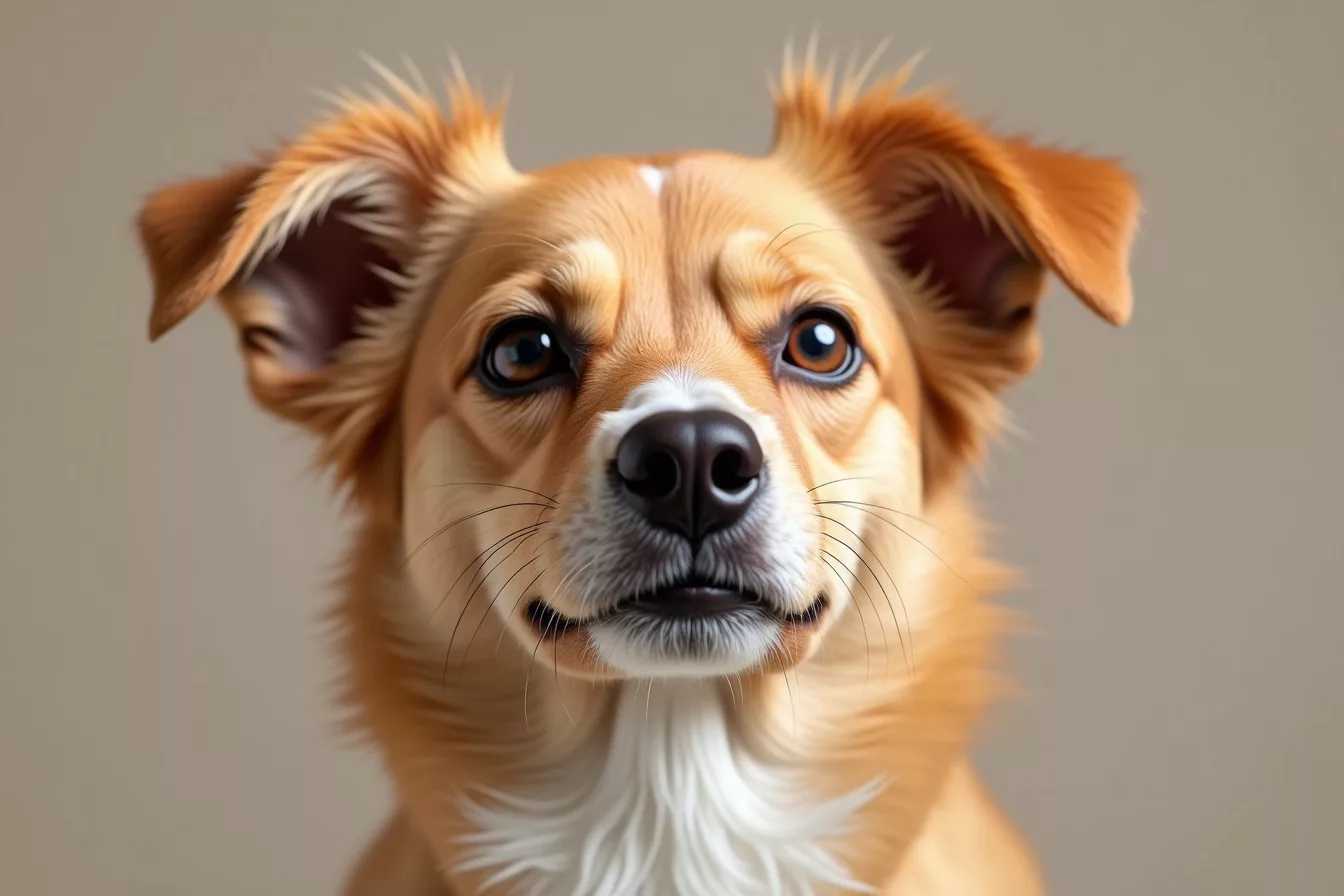

Did you know that 68% of dog owners misinterpret at least one common body language signal from their pets? A 2025 study from the University of Lincoln found that dogs displaying subtle stress signals were often misread as “playful” or “relaxed,” leading to preventable incidents. In this article you’ll discover the 12 most important signals your dog is sending—and what they really mean. By the end, you’ll understand why a wagging tail doesn’t always mean happiness.
Why Reading Dog Body Language Matters
Your dog cannot speak English (unfortunately), but they’re constantly communicating through their ears, tail, posture and eyes. Missing these signals can lead to misunderstandings, anxiety in your pet, and even dangerous situations. Learning to read canine body language is one of the most important skills any dog owner can develop.
📊 Key Figures 2026
- 68% of dog owners: Misinterpret at least one body language signal regularly (University of Lincoln, 2025)
- 73% of aggression cases: Could be prevented by early recognition of stress signals (British Veterinary Association, 2025)
Sources: University of Lincoln, British Veterinary Association, 2025
The 12 Body Language Signals You’re Probably Missing
1. Soft Eyes vs. Hard Stare
A dog with soft, slightly squinted eyes is relaxed and content. Hard, unblinking eyes with raised eyebrows signal stress, fear, or potential aggression. If your dog won’t break eye contact and their pupils are dilated, they’re uncomfortable.
2. Ear Position Reveals Everything
Forward ears suggest interest or alertness. Backward or pinned ears indicate fear, submission, or anxiety. Ears rotating independently show your dog is listening to different sounds—a sign of heightened stress or uncertainty.
3. The Tail Wag Myth
Not all tail wags mean happiness. A high, stiff wag suggests arousal or mild aggression. A low, slow wag indicates uncertainty. A tucked tail always signals fear. Research from the RSPCA shows tail position matters as much as the wagging motion itself.
✅ Expert Tip
Watch the tail base, not just the tip. A stiff tail held high with tension at the base signals stress. Max, a Golden Retriever from Manchester, was misread as “happy” during grooming because his tail wagged—but his stiff base and pinned ears showed he was fearful. Once his owner recognised this, grooming sessions became calmer and safer.
4. Lip Licking and Yawning
Excessive lip licking or yawning (when your dog isn’t tired) are stress signals. Your dog is self-soothing, similar to how humans bite their nails when anxious. This is often the first warning sign before a reactive episode.
5. The Play Bow Confusion
A genuine play bow has front legs stretched low with the rear end high and relaxed. A tense play bow with stiff hindquarters is actually a warning sign. Look for loose, bouncy movements; if your dog seems frozen, they’re not inviting play.
6. Whale Eye (Showing the Whites)
When you see the whites of your dog’s eyes, they’re stressed or scared. This is called “whale eye” and is a critical signal to give your dog space immediately. It precedes many defensive behaviours.
⚠️ Warning
If your dog shows whale eye combined with a stiff body, raised hackles, and a forward lean, remove yourself and others immediately. Contact a certified dog behaviourist. Do not assume the dog will “get over it.” This combination often precedes a bite.
7. Raised Hackles (Piloerection)
Hair standing up along the spine doesn’t always mean aggression—it can signal arousal, fear, or excitement. However, combined with other signals (stiff posture, forward ears), it indicates your dog feels threatened.
8. Mouth Shape and Tension
A relaxed, slightly open mouth shows contentment. A tightly closed mouth with tension around the muzzle signals stress. Lip curling (snarling) is an obvious warning, but many owners miss the subtle tightness that precedes it.
9. Body Leaning and Proximity
Leaning into you shows trust and affection. Leaning away or creating distance indicates discomfort. If your dog moves to the corner of the room during a gathering, they’re overwhelmed—not antisocial.
10. Panting and Trembling
Excessive panting in cool conditions is a stress signal, not just overheating. Light trembling often accompanies anxiety. The PDSA reports that 42% of dogs show these signs in unfamiliar environments, yet owners dismiss them as normal.
11. The Freeze Response
A perfectly still dog might seem calm, but freezing is actually a fear response. Your dog is assessing the threat. This “playing possum” behaviour often precedes a reactive snap or escape attempt.
12. Grooming and Scratching Spikes
Sudden, frantic self-grooming or scratching when not flea-ridden indicates anxiety or discomfort. Some dogs groom excessively when nervous about upcoming events (like vet visits).
Putting It All Together
Body language is rarely a single signal. Dogs communicate through clusters of behaviours. A tucked tail + whale eye + stiff body + backward ears = fearful dog. A loose, bouncy posture + soft eyes + wiggling rear = happy dog. The key is looking at the whole picture, not just one gesture.
Start observing your dog today. Notice how their ears move during different situations. Watch their tail position when strangers approach. Look for the subtle lip licks before they react to the postman. Over time, you’ll develop an intuition for what your dog is feeling—and you’ll be able to prevent problems before they happen.
Have you noticed any of these signals in your own dog that you’ve been misinterpreting? Start a quick observation journal this week, noting your dog’s behaviour in three different situations (a walk, a visitor arriving, playtime). You’ll be amazed at what you’ve been missing.