
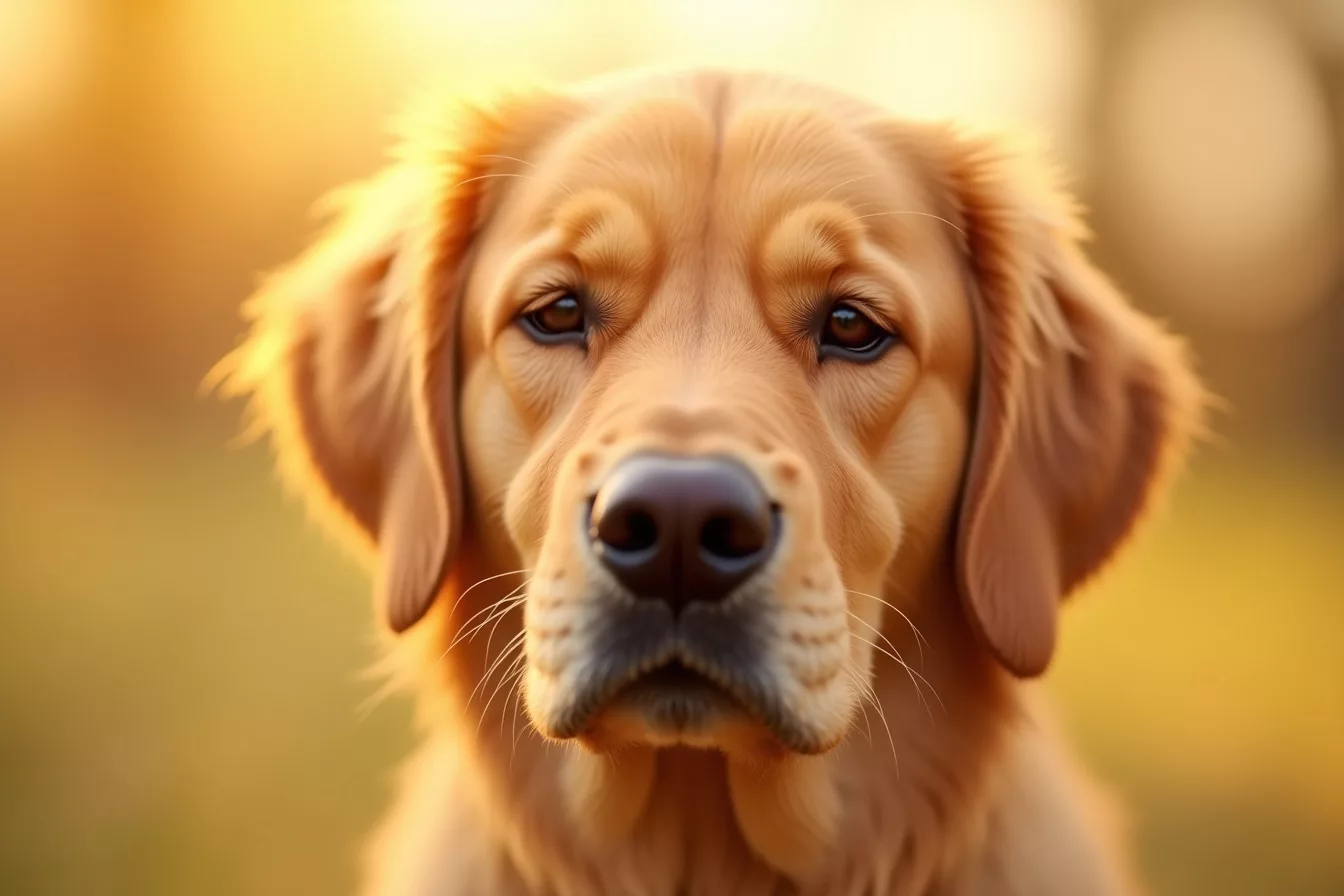

Did you know that 68% of dog behavioural problems stem from owners misinterpreting their pet’s signals? A 2025 study from the Royal Veterinary College found that dogs communicate constantly through subtle body cues—yet most owners miss the warning signs. In this article you’ll discover the 12 most important signals your dog is sending, from ear position to tail movement. By the end, you’ll spot the one sign that reveals whether your dog is genuinely happy or stressed.
Signal 1: Tail Position Tells the Real Story
A wagging tail doesn’t always mean a happy dog. The height, speed, and direction of the wag matter far more than you think. A tail held high and wagging fast usually signals confidence and joy, whilst a low, slow wag often indicates uncertainty or mild anxiety.
Watch the base of the tail too. If it’s tucked tightly between the hind legs, your dog is scared or submissive. One rescue Labrador, Biscuit, from Manchester, showed classic tucked-tail behaviour for weeks after arrival—a clear sign of past trauma that his new owners recognised and responded to with patience.
Signal 2: Ear Position Reveals Emotional State
Ears pinned back can mean submission, fear, or concentration. Forward ears typically signal alertness or interest. But sideways ears? That’s your dog trying to listen in multiple directions—often a sign of confusion or conflicting emotions.
Dogs with naturally floppy ears are trickier to read, but the base movement still counts. Look for subtle shifts in how the ear attaches to the head rather than the flop itself.
📊 Key Figures 2026
- 68% of behavioural issues: Linked to owner misinterpretation of canine signals (RVC, 2025)
- 73% of dogs over 7 years old: Show stress signals their owners don’t recognise (PDSA Wellness Report, 2025)
Sources: Royal Veterinary College, PDSA, 2025–2026
Signal 3: The Whale Eye—A Warning You Can’t Ignore
When you see the whites of your dog’s eyes (the sclera), your dog is stressed or anxious. This “whale eye” happens when they’re uncomfortable in a situation but trying to stay still. It’s often a precursor to snapping or biting if the stressor isn’t removed.
This signal appears during vet visits, loud noises, or when a child leans over the dog’s face. It’s your cue to create distance and calm the environment immediately.
Signal 4: Lip Licking—Stress in Slow Motion
A quick lick of the lips during training usually means your dog is concentrating. But repeated, frantic lip licking—especially when no food is present—signals anxiety, nausea, or stress. Many owners miss this because it looks innocent.
Paired with yawning or head turning, lip licking is a classic “calming signal” your dog uses to de-escalate tension. It’s your dog saying, “I’m overwhelmed, please slow down.”
✅ Expert Tip
Film your dog for 60 seconds during a normal interaction, then watch in slow-motion. You’ll spot lip licks, ear flicks, and muscle tension invisible at normal speed. This single habit transforms your ability to read behaviour.
Signal 5: Raised Hackles—Not Always Aggression
The hair along your dog’s spine standing on end (piloerection) is an arousal signal, not necessarily aggression. It can mean excitement, fear, or uncertainty. Context matters: is your dog growling, or is she simply hyper-alert at a new sound?
Signal 6: Play Bow vs. Stretch
A true play bow has the front legs stretched low and bottom high in the air. Your dog holds this position for a beat. A simple stretch looks similar but flows continuously. Play bows are invitations to interact—honoured signals of trust and social readiness.
Signal 7: Stiff Body—The Frozen Warning
A completely motionless dog isn’t calm; they’re often braced for conflict. Combined with a hard stare and forward ears, stillness signals your dog has decided to stand their ground. This is the moment to intervene before escalation.
Signal 8: Yawning When Not Tired
Context-dependent yawning (during training, vet visits, or social pressure) indicates stress, not sleepiness. Your dog is self-soothing. Honour this signal by reducing pressure and offering a safe space.
Signal 9: Panting—Temperature or Anxiety?
Heavy panting in a cool room or at rest signals anxiety, not heat. Stress panting is rapid and shallow; heat panting is slower but more sustained. Learn to distinguish between them.
⚠️ Warning
If panting is accompanied by drooling, trembling, or refusal to move, contact your vet immediately. This could indicate pain, illness, or severe anxiety requiring professional intervention.
Signal 10: Turning Their Head Away
When your dog looks away or turns their whole body away from you, they’re signalling discomfort with your approach. This is not stubbornness—it’s a polite boundary. Respect it, or risk teaching your dog that avoidance no longer works and escalation is necessary.
Signal 11: Soft Eyes vs. Hard Stare
Soft, blinking eyes mean trust and relaxation. A prolonged, unblinking stare is a challenge or indicator of tension. The difference is subtle but utterly transformative in understanding your dog’s emotional state in any moment.
Signal 12: The Play Face
Slightly open mouth, relaxed jaw, maybe a lopsided grin—this is genuine canine joy. It’s often accompanied by the play bow and bouncy movement. This is the expression that tells you your dog is in their happy place.
Understanding these 12 signals transforms your relationship with your dog. The most surprising discovery for most owners is that stress signals appear long before biting or aggression—if you know what to look for. Have you noticed any of these behaviours in your own dog this week? Start observing your pup in a calm moment, and you’ll begin spotting these signals everywhere. Your dog will thank you for finally speaking their language.