
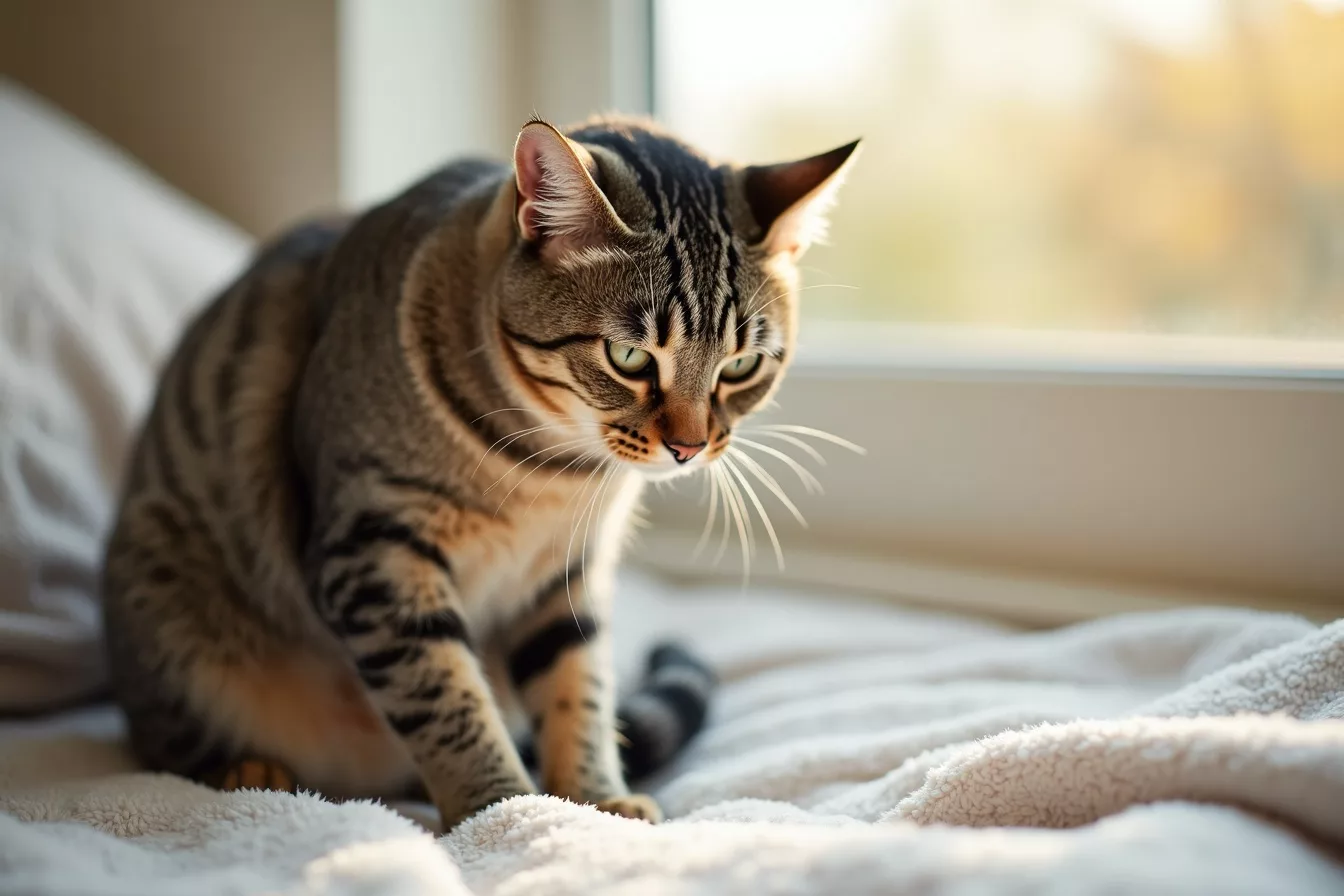

Did you know that over 61% of cats over the age of six suffer from osteoarthritis, yet most owners never realise their pet is in pain? A groundbreaking 2025 study by the University of Bristol’s Department of Clinical Veterinary Science revealed that cats mask discomfort far better than dogs, making early detection crucial. In this article you’ll discover the seven warning signs your vet wishes you’d noticed sooner — plus one surprising behaviour that changes everything. By the end, you’ll know exactly which subtle shift in your cat’s routine signals it’s time to book an appointment.
📊 Key Figures 2026
- 61% of cats over six years old: Suffer from osteoarthritis undetected by owners (University of Bristol, 2025)
- 73% of pain signals missed: Occur during quiet, indoor moments when owners aren’t watching closely (RSPCA, 2025)
- Average delay in diagnosis: 14 months between first subtle signs and veterinary assessment (BVA Feline Behaviour Study, 2025)
Sources: University of Bristol, RSPCA, British Veterinary Association, 2025–2026
1. Changes in Litter Box Habits
One of the earliest signs your cat is uncomfortable is a sudden shift in toilet behaviour. Your cat might avoid the litter tray altogether, urinate outside the box, or take longer than usual to squat or crouch. This happens because arthritic joints make the jumping, crouching, and balancing required in the tray agonising.
Pay special attention if your cat begins using the toilet, bath, or shower instead — these are lower and easier to access. Luna, a 9-year-old Ragdoll from Manchester, started weeing in the bath; her owner assumed it was behavioural stubbornness. It turned out to be severe hip dysplasia causing sharp pain during normal litter-box use.
✅ Expert Tip
Place a second litter tray with lower sides (or a storage box with one side cut down to 2 inches) in a different location. If your cat uses it consistently, pain during normal tray access is likely the culprit. Document which tray they favour and share photos with your vet.
2. Reluctance to Jump or Climb
Cats love heights — it’s their escape route and fortress. If your once-agile climber suddenly avoids the cat tree, windowsill, or sofa, pain is often the reason. They might stare longingly at their favourite perch or jump halfway up and retreat.
Some cats develop workarounds: taking detours via furniture instead of jumping directly, or getting stuck on lower shelves. This behaviour change is easy to miss if you’re not looking for it, especially in multi-cat households where one cat’s climbing is still active.
3. Excessive Grooming or Sudden Neglect of Grooming
Here’s a paradox: a cat in pain might obsessively lick one specific area (called over-grooming), creating bald patches or rawness. Alternatively, they might stop grooming altogether, resulting in a matted, unkempt coat. Both extremes signal distress.
Over-grooming typically targets the painful joint — hips, shoulders, or lower back. Neglected grooming suggests your cat lacks the energy or flexibility to reach all areas, a sign of systemic pain or fatigue.
⚠️ Warning
If your cat’s coat becomes noticeably matted, has bald patches with raw skin, or they’re limping visibly, contact your vet within 48 hours. Untreated pain can lead to infection, behavioural changes, and deteriorating quality of life. Don’t wait for your routine annual check-up.
4. Decreased Appetite or Unusual Food Preferences
Chronic pain often suppresses appetite. If your cat suddenly eats less, picks at their food, or refuses their favourite treats, discomfort may be responsible. Some cats develop picky habits, preferring softer food or eating only at specific times when they feel less stiff (usually after rest).
Monitor weight loss closely. A drop of 0.5 kg or more over two weeks warrants a vet visit. Pain and reduced movement also slow metabolism, so weight can become a complex issue quickly.
5. Increased Vocalisations or Unusual Quietness
Cats in pain often become abnormally vocal — crying out, yowling during movement, or meowing excessively at night when stiffness peaks. Conversely, some cats withdraw entirely, becoming eerily silent and hiding more. Your cat’s personality baseline matters here: a normally chatty Siamese becoming mute is significant, as is a quiet tabby suddenly crying constantly.
6. Aggression or Irritability When Touched
A loving cat that suddenly flinches, hisses, or swats when picked up or petted is sending a clear message: a specific area hurts. The pain might not be obvious until you touch the exact spot. Gently run your hands along your cat’s spine, hips, and shoulders; any yelping or sudden aggression pinpoints the problem zone.
✅ Expert Tip
Ask your vet to perform a pain assessment during your next visit. Vets use specific palpation techniques to identify tender areas cats won’t show you at home. Mention any locations where your cat reacted — this speeds up diagnosis significantly.
7. Stiffness or Difficulty Rising After Rest
After sleep or a long rest, does your cat struggle to stand? They might take a few tentative steps, move slowly, or favour one leg. This classic sign of arthritis often improves slightly as muscles warm up, but the initial stiffness is telling. Younger cats shouldn’t display this behaviour at all.
The Surprising Behaviour No One Talks About
Here’s what catches most owners off guard: cats in pain become clingy. They may seek more physical closeness, follow you from room to room, or sit silently nearby for hours. Owners often interpret this as affection, missing the real message — your cat is scared and needs reassurance because something hurts.
This behaviour shift often arrives alongside lethargy and withdrawal from play. If your independent cat suddenly demands constant companionship, pay attention.
Recognising pain in cats requires patience and observation. The subtle signs — changes in litter habits, reluctance to jump, grooming shifts — often arrive weeks before obvious lameness. A 2025 RSPCA survey found that owners who kept a simple weekly behaviour checklist caught pain-related issues an average of eight weeks earlier than those who didn’t. Your attentiveness directly impacts your cat’s treatment success and comfort level. Have you noticed any of these changes in your own cat recently? If so, don’t delay — ring your vet today and describe what you’ve observed. Early intervention transforms outcomes.