
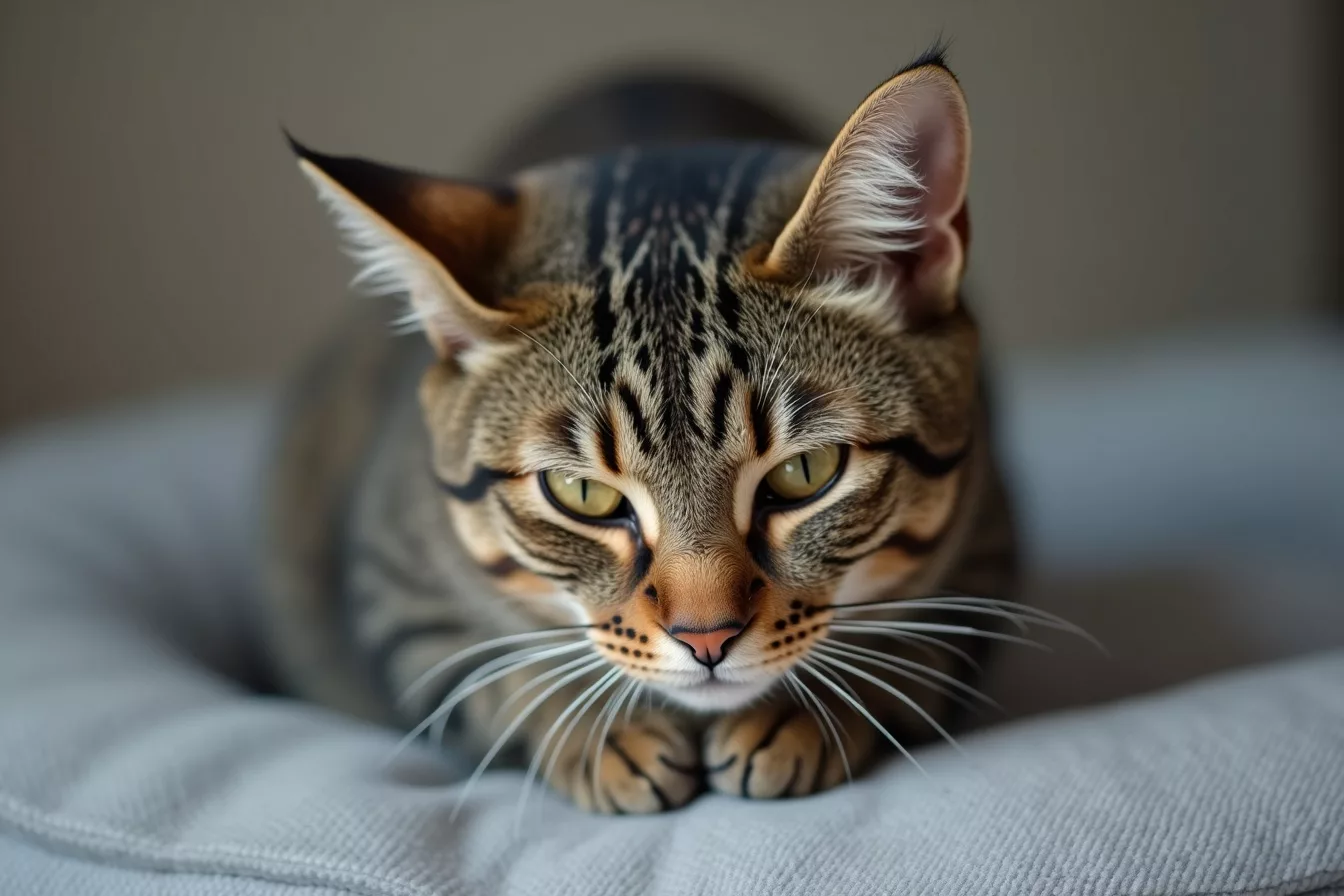

Nearly 40% of cat owners don’t recognise the early warning signs of pain in their pets—even when they’re staring them in the face. A 2025 study by the Royal Veterinary College found that cats mask discomfort far better than dogs, making it crucial to spot the subtle behavioural shifts before a condition becomes serious. In this article, you’ll discover the seven hidden pain signals that separate attentive owners from those playing catch-up with their vet. Most importantly, you’ll learn why your cat’s “normal” laziness might actually be screaming for help.
📊 Key Figures 2025-2026
- 40% of UK cat owners miss early pain signals, according to PDSA and RVC research (2025)
- Chronic pain affects 1 in 3 cats over age 7, yet two-thirds receive no pain management (British Feline Medicine Association, 2025)
- Cats hide pain for an average of 3-4 weeks before owners notice behavioural changes (veterinary behaviour study, 2024)
Sources: Royal Veterinary College, PDSA, 2025-2026
1. Changes in Grooming Habits
A cat in pain often neglects self-grooming or becomes obsessive about one specific area. If your usually pristine tabby suddenly looks unkempt, or if you notice excessive licking around the hind legs, jaw, or abdomen, pain is a leading culprit.
Painful joints make stretching uncomfortable. Dental pain triggers compulsive cheek or chin licking. Watch for bald patches from over-grooming—these aren’t behavioural quirks; they’re distress signals.
2. Subtle Posture Shifts
A pain-free cat walks with a loose, confident gait. A cat in discomfort develops a distinctive “hunched” posture, with their hind quarters lower than their shoulders.
Additionally, cats limping outright are obvious—but cats who simply avoid jumping onto their favourite windowsill are sending a quieter message. If your cat stops using the cat tree or bed-hops to avoid heights, arthritis or spinal pain is likely at play.
✅ Expert Tip
Video your cat for 2-3 minutes whilst they walk, jump, and sit. Play it back frame-by-frame. You’ll spot asymmetry in movement that’s invisible in real-time. One client, Sarah, noticed her Persian, Duchess, from Manchester, was shifting weight away from her right hind leg—an early sign of osteoarthritis the vet confirmed within days.
3. Appetite and Litter Box Changes
Pain-induced stress suppresses appetite. If your cat eats less (even if they seem interested), or if their water intake drops noticeably, investigate further.
Simultaneously, monitor the litter box. Cats with abdominal pain, kidney issues, or urinary tract infections often urinate outside the tray or produce abnormal stools. Constipation and diarrhoea are also red flags.
4. Vocalisation Patterns Shift
Some cats become unusually vocal when in pain—crying or yowling, especially when moving. Others go silent, becoming withdrawn. Both departures from your cat’s baseline are worth noting.
A cat who normally greets you at the door but now stays hidden, or one who cries when picked up, is communicating pain in feline language.
⚠️ Warning
If your cat shows three or more of these signs simultaneously—especially combined with vomiting, inability to eat, or complete inappetence—contact your vet today, not tomorrow. Acute pain can escalate rapidly. Conditions like urinary blockages, pancreatitis, and severe infections require emergency intervention.
5. Reluctance to Interact
A cat in pain withdraws from playtime, avoids human interaction, and hides under beds or in cupboards for extended periods. If your normally affectionate companion suddenly becomes standoffish or flinches when touched, pain is often the reason.
This behaviour isn’t antisocial—it’s a survival mechanism. In the wild, injured animals hide to avoid predators. Your domestic cat is doing the same.
6. Sleep Disruptions and Restlessness
Cats sleep 12-16 hours daily when healthy. Chronic pain disrupts sleep cycles, causing cats to wake frequently, change sleeping positions excessively, or sleep less overall.
If your cat is restless at night or unable to settle in their favourite sleeping spots, pain management with your vet should be your next step.
7. Facial Expressions and Ear Position
Research from the University of Lincoln (2024) revealed that cats display micro-expressions of pain through narrowed eyes, flattened ears, and a tense facial expression. Unlike humans, cats don’t grimace—but their eyes do. Look for partially closed eyes (as if squinting) combined with ears pinned back or to the sides.
This is perhaps the subtlest sign, but once you know it, you’ll spot it instantly.
What to Do Next
If you’ve ticked off multiple signs above, book a vet appointment immediately. Bring a written timeline of changes and, if possible, your video evidence. Your vet may recommend pain relief, diagnostic imaging (X-rays or ultrasound), bloodwork, or specialist referral.
Pain management in cats has advanced significantly. Medications like gabapentin, NSAIDs, and opioids—combined with physiotherapy, weight management, and environmental adjustments—can dramatically improve quality of life.
The most surprising discovery from 2025 research is this: cats that receive pain management don’t just feel better—they live longer. Early intervention isn’t just about comfort; it’s about adding years to your cat’s life.
Have you noticed any of these subtle changes in your own cat? Trust your instincts. You know your pet better than anyone. If something feels off, it probably is.