
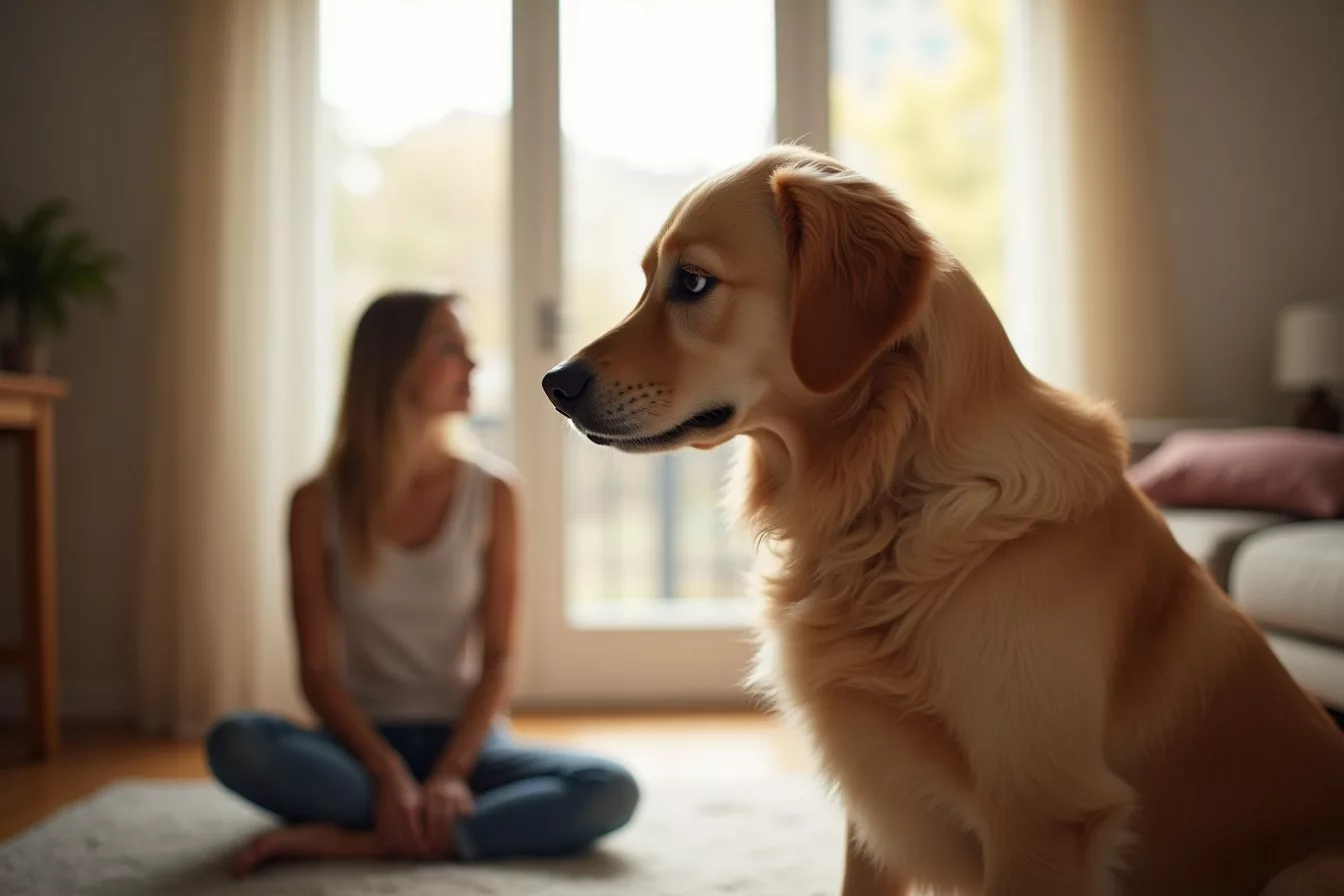

Bringing a new dog home should feel exciting—but did you know that 68% of dogs struggle to settle in during their first week? A 2025 study by the Dogs Trust and Royal Veterinary College found that the first seven days set the tone for your dog’s entire behaviour and bonding trajectory. In this article, you’ll discover the exact week-by-week framework that reduces anxiety, prevents destructive behaviour, and builds unshakeable trust. Most importantly, you’ll learn the single mistake that 7 in 10 owners make on day one—and how to avoid it.
📊 Key Figures 2025
- 68% of new dog integrations struggle in week one: Dogs Trust research shows most problems stem from over-stimulation and inconsistent boundaries (2025)
- Dogs take 3-6 weeks to feel safe: RSPCA data reveals neurologically, pets need this window before predictable routines fully register
- 85% of behavioural issues are preventable: RVC study confirms proper introduction protocols eliminate 85% of common first-month problems
Sources: Dogs Trust, RSPCA, Royal Veterinary College, 2025
Week One: The Foundation Phase (Days 1–7)
Your new dog arrives home overwhelmed. Everything is unfamiliar—the sounds, smells, people, and space itself trigger their nervous system. The biggest mistake? Letting family and friends visit immediately or allowing your dog to explore the entire house at once.
Instead, designate a quiet, single room as their sanctuary. This could be a bedroom, utility room, or lounge corner. Equip it with a bed, water bowl, toys, and a litter tray if needed. Keep noise levels low and foot traffic minimal.
✅ Expert Tip
Spend silent time together. Sit on the floor reading or working quietly for 15-minute sessions, several times daily. Let your dog approach you—don’t force interaction. This builds trust without pressure and allows their cortisol (stress hormone) to naturally decrease.
Feed meals on a strict schedule in this room. Consistency is neurologically calming—your dog’s brain begins to predict mealtimes, which reduces anxiety. Offer toilet breaks every 2-3 hours, always outdoors in a secured garden or on a lead.
Week Two: Gradual Expansion (Days 8–14)
By day 8, most dogs show visible relaxation: softer eyes, slower tail wags, or willingness to nap. This is your signal to expand their territory very slowly. Open the door to one additional room—perhaps a hallway or the kitchen.
Supervise all movement. Use a baby gate to manage access and prevent escape routes. Introduce your dog to different surfaces: wooden floors, carpet, tile. New textures can feel unsettling, so let them explore at their own pace without pressure.
✅ Expert Tip
Create a “safe retreat space” they can access anytime. A dog bed in a corner with a blanket draped over it mimics a den. Marco, a 4-year-old Labrador from Bristol, took 9 days to voluntarily use his den—once he did, his owner reported a 50% drop in nervous behaviours within days.
Introduce your dog to one household member at a time, in calm, low-key moments. No excited greetings, no high voices. Sit together quietly; let them sniff and decide if they want contact.
Week Three: Building Routine (Days 15–21)
Your dog now understands the basic layout and schedule. This is when formal routines become your secret weapon. Dogs thrive on predictability—walk times, meal times, play times, and bedtimes should follow a consistent pattern every single day.
Introduce short, gentle walks in quiet neighbourhoods. Keep them 10-15 minutes initially. Watch for signs of confidence: nose up, tail relaxed, curiosity about surroundings. If your dog pulls excessively, lunges, or freezes, return home calmly—no punishment, just reset.
⚠️ Warning
If your dog shows signs of extreme fear (trembling, refusing food, hiding for over 24 hours), contact your vet. Excessive anxiety can indicate underlying health issues or require specialist behaviour support. Do not leave them alone for extended periods yet.
Begin very basic training: sit, stay, come. Use high-value rewards (tiny pieces of chicken or cheese). Training isn’t about obedience yet—it’s about building communication and confidence.
Weeks Four to Six: Social Integration
By week four, your dog should be visibly settled: eating well, sleeping deeply, and showing personality. Now gradually introduce new people, places, and experiences. Invite one calm visitor over at a time. Let them sit and let your dog approach.
Expand walks to different parks or streets. Vary times and routes slightly. Introduce new dogs during walks only if your dog is confident—always on-lead, never forced into interaction.
✅ Expert Tip
Photograph your dog’s behaviour on day one versus day 35. The visual shift is powerful and reminds you that subtle early steps compound into massive confidence gains. Most owners don’t realise how far their dog has come until they compare images.
By week six, your dog should feel genuinely at home. They’ll have “favourite spots,” predictable sleep patterns, and genuine engagement with family members. This is normal.
The One Habit That Changes Everything
Throughout all six weeks, keep a simple journal: what your dog ate, toilet times, energy levels, and behaviour shifts. This isn’t for obsession—it’s for pattern recognition. When behaviour dips (it often does around day 10 or week 4), you’ll spot the cause: diet change, too much activity, or an unmissed routine day.
The dogs that settle fastest aren’t the “easiest” breeds—they’re the ones whose owners stayed patient, consistent, and emotionally regulated. Dogs feel your calm; they sense your anxiety. Your role in weeks one through six is to be a steady, predictable anchor.
Have you noticed your new dog changing even in just the first few days at home? The transformation is real, and it’s only the beginning. Start this week with one simple action: designate that quiet sanctuary room and commit to silent, pressure-free time together daily. Everything else builds from there.