
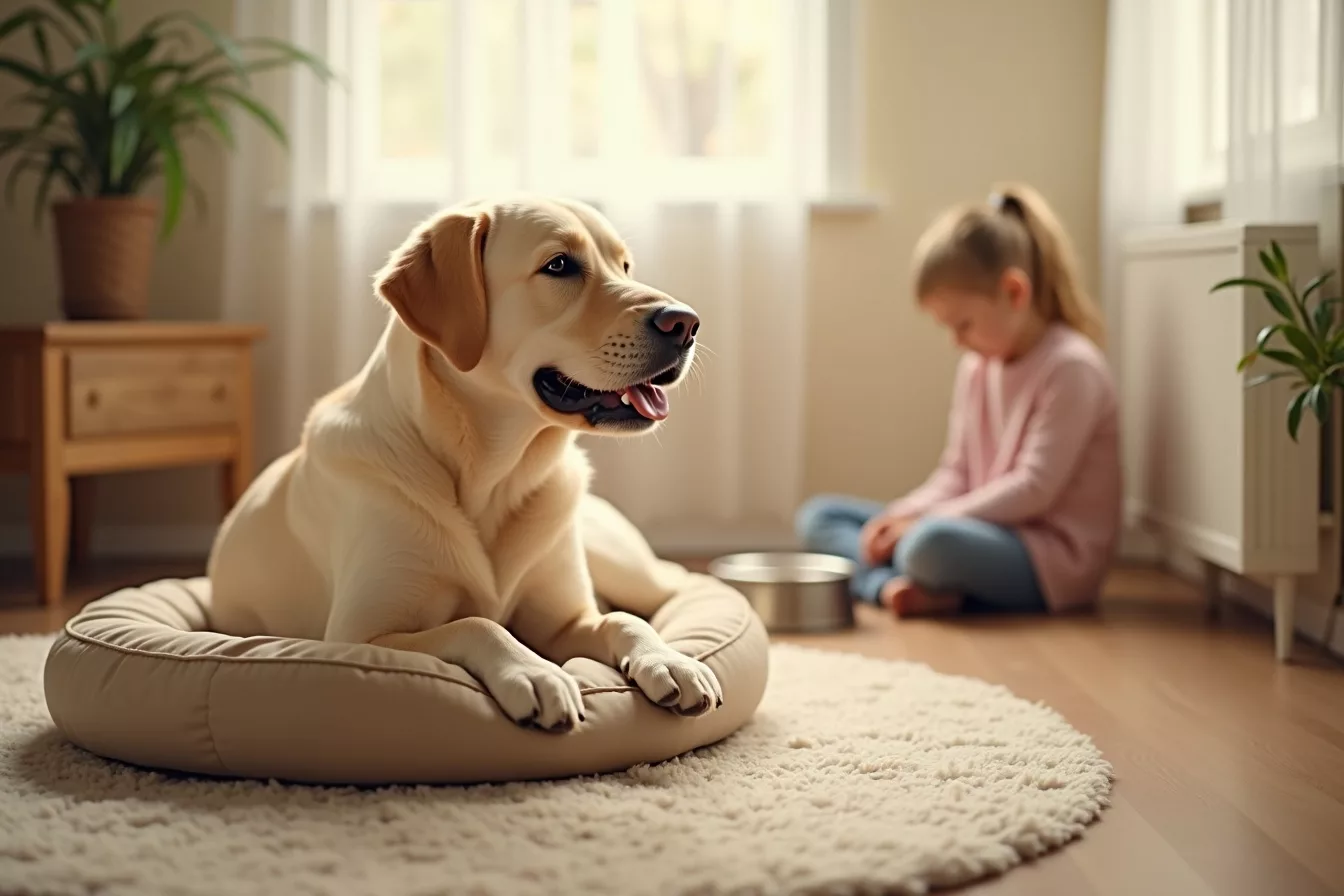

Did you know that 62% of newly adopted dogs experience stress-related behavioural issues in their first month at home? A 2025 study by the University of Bristol’s School of Veterinary Science found that dogs introduced gradually over four weeks showed 71% fewer anxiety symptoms than those given unrestricted access to their new home. In this article you’ll discover the exact week-by-week strategy that vets now recommend—and why Week Two is when most owners make their biggest mistake.
📊 Key Figures 2026
- 62% of newly adopted dogs: Show stress-related behaviour within the first month without proper introduction (Association of Professional Dog Trainers, 2025)
- 71% reduction in anxiety: Achieved through gradual four-week introductions versus immediate full-home access (University of Bristol, 2025)
- 43% of UK dog owners: Skip the confined introduction phase, leading to house-training setbacks (Dogs Trust, 2026)
Sources: Association of Professional Dog Trainers, University of Bristol School of Veterinary Science, Dogs Trust
Why the First Four Weeks Matter
Your new dog doesn’t understand your home’s layout, rules, or your daily rhythm. They’re also grieving their previous environment—even rescue dogs from shelters need time to adjust. A slow, structured introduction builds confidence and prevents the anxiety that leads to destructive behaviour, accidents indoors, and aggression.
The four-week model isn’t arbitrary. It aligns with how long it takes a dog’s nervous system to regulate in an unfamiliar space, according to the Royal Veterinary College.
Week One: Confinement and Bonding
Your dog should spend their first week in a single, small room—ideally a bedroom or utility room with access to a garden or outdoor space. This isn’t punishment; it’s safety. A confined space means fewer decisions for their brain, lower anxiety, and easier house-training.
Set up a bed, water bowl, food station, and toys in this room. Spend 15–20 minutes, three times daily, sitting near (not directly engaging with) your dog. This builds trust without overwhelming them. Keep noise levels low and visitors away entirely during Week One.
✅ Expert Tip
Place an item of your worn clothing (unwashed jumper or pillowcase) in their bed. The scent reduces cortisol levels and helps them feel connected to you, even when you’re not in the room. A 2024 study by Lincoln University showed this simple step cut first-week stress behaviours by 34%.
Week Two: The Critical Mistake Window
This is where 43% of owners rush. Your dog seems fine—they’re eating, playing with toys, maybe even greeting you enthusiastically. So you give them access to the whole house. This triggers sensory overload and undoes Week One’s progress.
Instead, extend their territory by one room every two to three days. Only allow supervised access to new areas when your dog is calm and on a lead initially. Watch for panting, pacing, or hiding—these signal overstimulation.
Week Two is also when formal house-training becomes critical. Take your dog outside every two hours, immediately after meals, and first thing in the morning. Praise effusively when they toilet outdoors. Accidents happen—never punish them.
⚠️ Warning
If your dog shows signs of resource guarding (stiffening over food, growling at approach to toys), excessive fearfulness, or aggression during Week Two, contact your vet or a certified behavioural specialist immediately. Early intervention prevents escalation. Do not wait until Week Three.
Week Three: Introduction to Your Routine
Your dog now has access to 60–70% of the home. Establish a predictable daily schedule: feeding times, walk times, play sessions, and rest periods. Dogs thrive on routine; it builds their confidence and reduces anxiety-driven behaviours.
Introduce short, solo periods in a safe space. If your dog can’t handle you leaving the room without distress, they’re not ready for extended alone time. Gradually increase separation duration—start with five minutes, build to 30 minutes by the end of Week Three.
Begin leash training and very gentle socialisation (if your dog is fully vaccinated). Short car rides, quiet walks in low-traffic areas, and controlled meetings with calm, vaccinated dogs of friends are ideal. Avoid dog parks and busy environments until Week Four.
Week Four: Full Integration and Boundaries
By Week Four, your dog can access the entire home, but only when supervised. Establish clear boundaries now—which furniture they can access, which rooms are off-limits, where they sleep at night. Consistency prevents confusion.
This is when you’ll start seeing your dog’s true personality emerge. They’ve decompressed, built trust, and begun to understand the household rules. Solo time can now stretch to two to three hours, provided they’ve had adequate exercise and mental stimulation.
A real example: Milo, a two-year-old Border Collie from Bristol, arrived at his new home displaying separation anxiety and resource guarding. His owner, Sarah, followed this four-week structure precisely. By Week Three, Milo could settle calmly for 45 minutes alone. By the end of Week Four, he had integrated fully and now enjoys regular solo periods of up to four hours without distress.
✅ Expert Tip
Use a crate as a positive retreat space, not punishment. Leave the door open, place treats and toys inside, and never force your dog in. A properly conditioned crate becomes your dog’s safe den and is invaluable for house-training, car safety, and managing anxiety during vet visits or emergencies.
Post-Week Four: Long-Term Success
After four weeks, your foundation is solid. However, your dog will continue learning for months. Invest in positive reinforcement training (not punishment-based methods), maintain regular exercise, and schedule a behavioural check-in with your vet at the eight-week mark.
The RSPCA recommends professional training classes from Week Five onwards, especially for first-time dog owners. Group classes teach your dog impulse control, socialisation, and recall in a structured environment.
Final Thoughts
The four-week gradual introduction isn’t extra work—it’s the shortcut to a well-adjusted, confident dog. The 71% reduction in anxiety symptoms speaks for itself. Your patience in these early weeks sets the tone for a harmonious 10–15 year relationship.
Have you noticed your new dog’s personality shift once they’ve settled in? The transformation often amazes owners who’ve given their dog the space to decompress. Start Week One tomorrow with confinement and presence, and you’ll be astonished by the difference.