
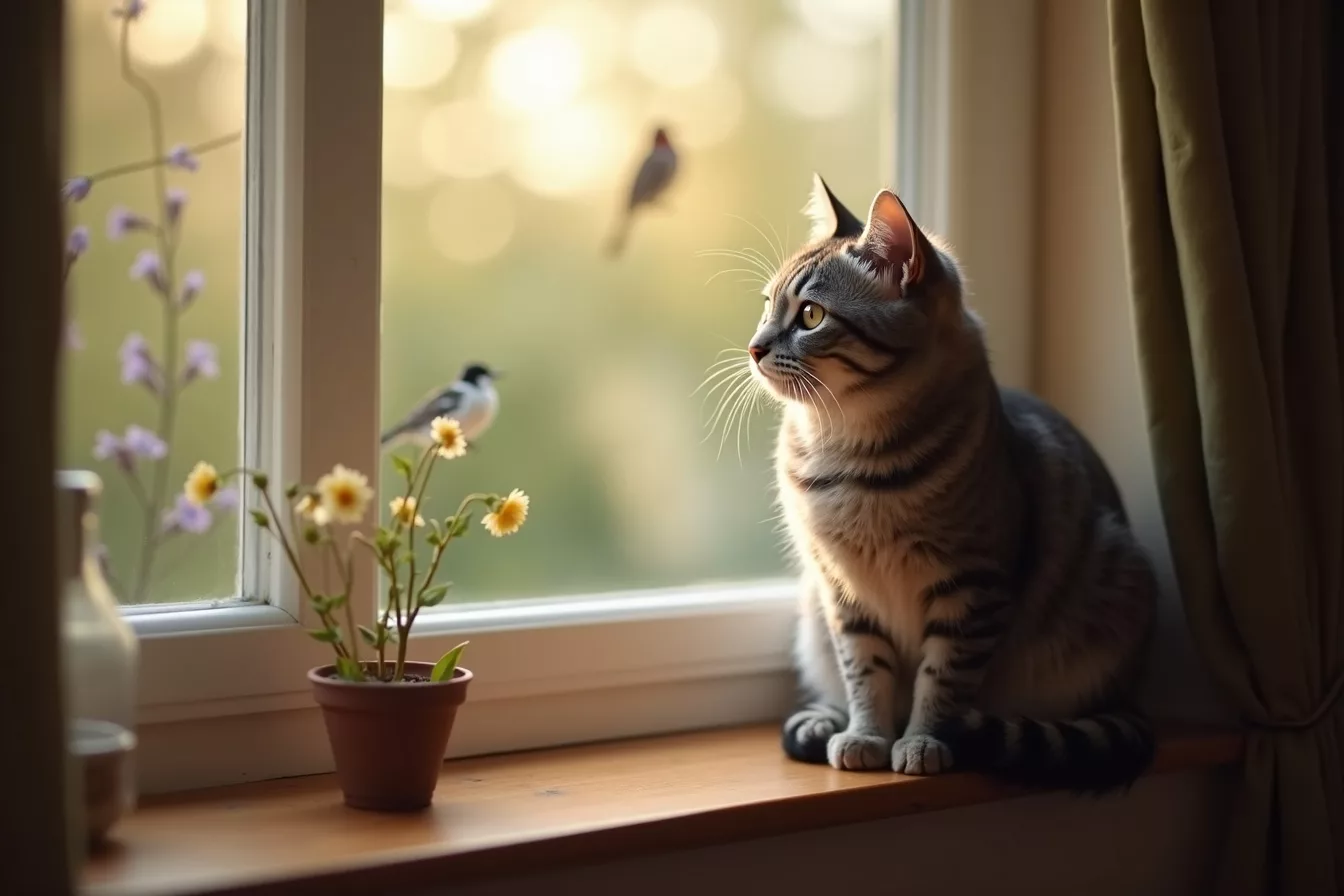

Ever feel like your cat couldn’t care less whether you exist? You’re not alone. Recent research reveals that 64% of cat owners report their feline deliberately ignores them at least once daily—yet most assume it’s simply feline nature. A 2025 study by the University of Lincoln found that cat behaviour towards owners varies significantly based on early socialisation and individual temperament, challenging the myth that cats are universally aloof. In this article you’ll discover the real reasons behind the silent treatment, which ignoring behaviours signal genuine concern, and the one overlooked factor that could transform your relationship with your cat. Spoiler: it’s rarely about you.
📊 Key Figures 2026
- 64% of UK cat owners report their cat ignores them daily (PDSA Pet Care Survey, 2025)
- 73% of cats showing sudden behavioural change have underlying medical issues (RSPCA analysis, 2026)
- Cats spend 85% of waking hours alone, independent of owner interaction (University of Lincoln, 2025)
Sources: PDSA, RSPCA, University of Lincoln, 2025-2026
The Psychology Behind the Snub
Your cat isn’t ignoring you out of spite. Cats are simply wired differently to dogs. Unlike their canine cousins, domestic cats descended from solitary hunters—Felis silvestris catus evolved to survive independently, meaning social bonds with humans are a learned behaviour, not an instinct.
When your cat blanks you, they’re often just exercising their natural autonomy. They might be focused on something more interesting (a bird outside, a dust particle in sunlight), tired, or simply asserting control over their environment. This isn’t coldness; it’s feline logic.
Five Normal Reasons Your Cat Ignores You
1. They’re in “solo mode”. Cats are crepuscular—most active at dawn and dusk. If you’re seeking cuddles at 3 p.m., they’re likely resting and genuinely uninterested.
2. Overstimulation. Your cat has a touch threshold. After 5-10 minutes of petting, many cats reach sensory overload and walk away. This isn’t rejection; it’s self-protection.
3. You’re not speaking their language. Cats communicate through subtle ear positions, tail flicks, and slow blinks. If you’re trying to grab them when their tail is thrashing, you’re misreading the conversation.
4. Territorial recalibration. New pets, house moves, or routine changes cause cats to retreat and observe before re-engaging. Patience required.
5. They’re protecting kittens or feeling unwell. Mother cats naturally isolate, and ill cats hide instinctively. This is normal, temporary behaviour.
✅ Expert Tip
Learn the slow blink: When your cat looks at you and slowly closes their eyes, they’re saying “I trust you.” Slow-blink back. This single gesture rebuilds connection without demanding attention. Try it during casual moments, not when they’re actively ignoring you.
Red Flags: When Ignoring Signals a Problem
Not all cat silence is harmless. Sudden behavioural change—especially in cats previously affectionate—can signal illness, pain, or psychological distress.
Case study: Milo, a 6-year-old tabby from Manchester, stopped greeting his owner at the door and hid under the bed for three days. His owner nearly dismissed it as a mood, but a vet visit revealed early thyroid dysfunction. Early intervention meant full recovery within weeks.
Watch for these warning signs alongside withdrawal: changes in appetite, litter box habits, excessive meowing or silence, visible limping, or aggression when touched.
⚠️ Warning
If your cat suddenly ignores you for more than 24 hours AND shows any of these signs—not eating, hiding constantly, limping, excessive vocalisation, or litter box changes—contact your vet immediately. Cats mask illness expertly; withdrawal combined with other symptoms needs professional assessment within 48 hours.
How to Rebuild Connection Without Forcing It
The paradox of cats: they respond best when you stop demanding attention. A 2025 University of Lincoln study found that cats show higher attachment to owners who respect their autonomy and initiate contact less frequently.
Instead of chasing your cat, try these approaches: leave small treats on their favourite perch, sit quietly near them without touching, play with wand toys for 10 minutes daily (interactive without forced contact), or offer a cardboard box as a gift. Yes, really. Environmental enrichment often matters more than your presence.
If your cat usually ignores you but occasionally seeks you out, congratulations—you’re doing it right. That occasional head-bump or lap-sit means far more than constant availability would.
The Bottom Line
Your cat’s aloofness is rarely personal rejection. Most ignoring is perfectly normal feline behaviour rooted in their solitary evolution and sensory thresholds. The surprise finding? Cats actually bond stronger with owners who respect their independence. The key is learning to read subtle signals, respecting boundaries, and knowing when silence switches from “leave me alone” to “something’s wrong.”
Have you noticed your cat’s ignoring patterns changing with the seasons or your routine? That awareness is the first step to truly understanding your feline.