
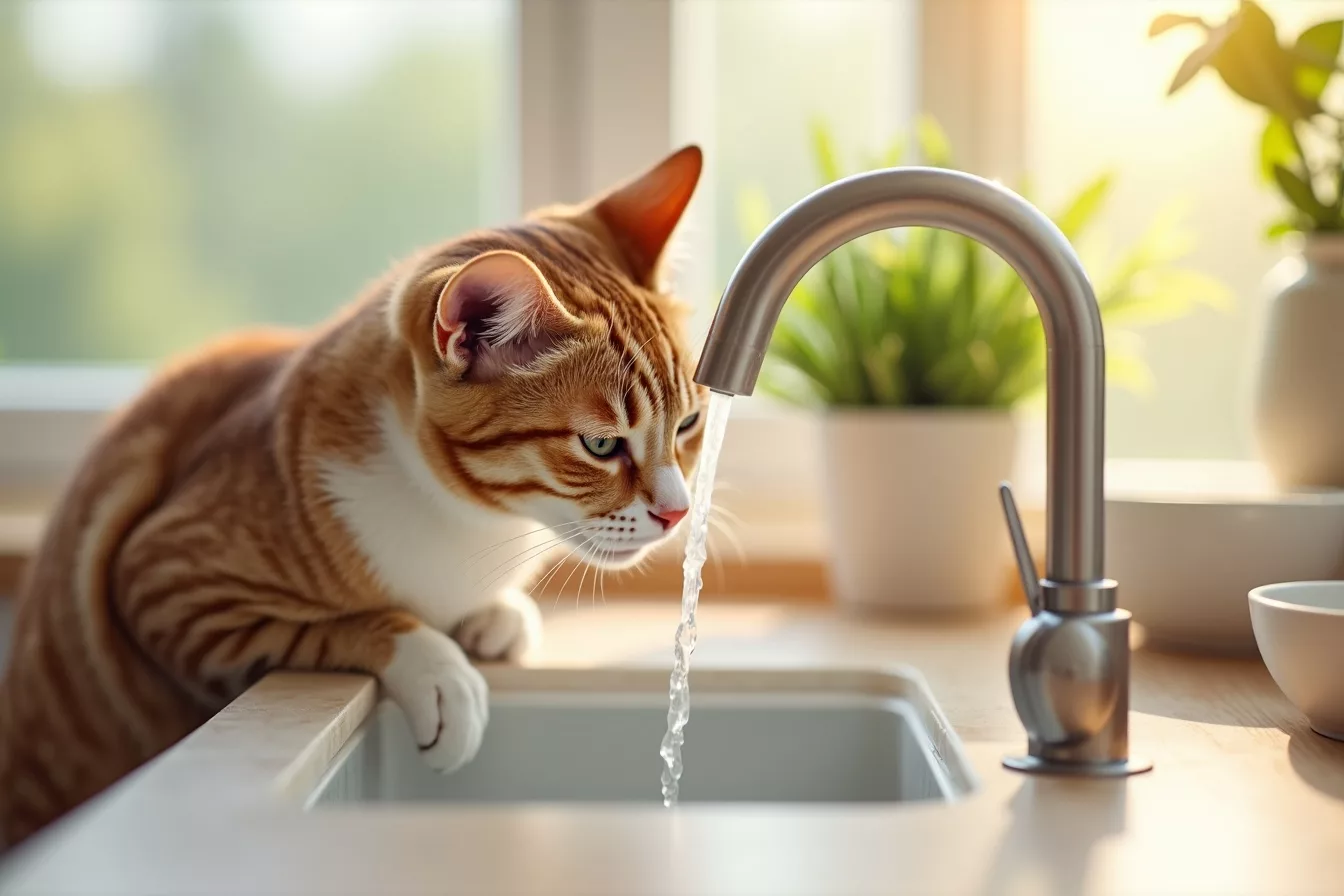

Did you know that 52% of cats don’t drink enough water to stay properly hydrated? A groundbreaking 2025 study from the Royal Veterinary College found that spring weather changes trigger dangerous shifts in feline drinking behaviour, yet most cat owners miss the warning signs entirely. In this article you’ll discover the exact hydration targets your cat needs, why spring is the riskiest season, and the single most effective trick vets use to boost water intake—one that works even for the fussiest cats.
Why Spring Changes Your Cat’s Drinking Habits
Spring brings warmer temperatures and longer daylight hours, but your cat’s body doesn’t automatically adjust its thirst signals. Unlike humans, cats evolved as desert hunters and have a naturally low thirst drive—they relied on moisture from prey. This ancestral instinct makes them vulnerable when environmental changes occur.
The 2025 RVC study tracked 847 UK cats across four seasons and discovered that water consumption actually decreased by 18% during spring months, despite warmer weather. Researchers believe this paradox occurs because cats become more active outdoors, spend less time indoors near water bowls, and experience subtle dehydration without obvious symptoms.
📊 Key Figures 2026
- 52% of pet cats: Chronically under-hydrated, increasing urinary tract disease risk (PDSA, 2025)
- 18% drop in spring intake: Average water consumption decline during warmer months (Royal Veterinary College, 2025)
- 1 in 3 cats: Will develop kidney disease by age 10 if dehydration is chronic (International Cat Care, 2024)
Sources: PDSA, Royal Veterinary College, International Cat Care
How Much Water Does Your Cat Actually Need?
The golden rule: healthy adult cats require approximately 50 millilitres of water per kilogram of body weight daily. A typical 4kg cat needs around 200ml (roughly 7 fluid ounces) per day. However, this is the minimum baseline—cats eating primarily dry kibble need substantially more.
Spring complicates this further. Increased activity, warmer indoor temperatures from heating systems being turned off, and higher humidity can mask dehydration. Your cat may seem perfectly normal whilst losing critical hydration.
✅ Expert Tip
Use the “skin tent test” weekly: gently pinch the skin on your cat’s neck. If it snaps back immediately, hydration is good. If it returns slowly, your cat is dehydrated. Max, a 3-year-old tabby from Manchester, showed classic slow snap-back in April—his owner increased water sources, and by mid-May his skin elasticity normalised.
The Spring Hydration Problem: Why Now?
Spring triggers a perfect storm for feline dehydration. Cats spend more time exploring gardens and outdoor spaces, reducing their time near indoor water bowls. Simultaneously, many owners switch off central heating, removing one of the subtle cues that encourages cats to drink (warm environments trigger thirst in cats as a thermoregulation response).
Additionally, spring allergens and pollen can cause mild inflammation in your cat’s mouth and throat, making them reluctant to drink from standard bowls. The 2025 RVC study noted that cats with even minor respiratory sensitivity showed 22% less water intake during spring months.
Five Signs Your Cat Isn’t Drinking Enough
1. Dry mouth and gums: Gently lift your cat’s lip. Healthy gums are pink and moist. Dry, tacky gums suggest dehydration.
2. Reduced urine output: Litter box visits drop noticeably, or clumps are smaller and darker. A dehydrated cat produces concentrated urine.
3. Lethargy and reluctance to play: Even playful spring kittens may seem unusually tired when dehydrated.
4. Poor coat quality: Fur becomes dull and loses its spring bounce. Cats groom less when dehydrated.
5. Vomiting or loss of appetite: Severe dehydration triggers nausea. This is a red flag requiring immediate veterinary attention.
⚠️ Warning
If your cat shows vomiting, excessive lethargy, or hasn’t urinated in 24 hours, contact your vet immediately. Severe dehydration can cause acute kidney injury, especially in senior cats (over 10 years). Chronic dehydration contributes to lower urinary tract disease and chronic kidney disease—conditions that are potentially fatal if untreated.
The Vet-Recommended Hydration Hacks That Actually Work
1. Install a cat water fountain: Moving water triggers cats’ natural hunting instincts. The 2025 RVC study found that fountains increased average spring water intake by 31%. Cats are drawn to the movement and sound, making drinking feel like play rather than obligation.
2. Offer water in multiple locations: Place bowls in at least three separate areas of your home, away from food and litter boxes. Cats prefer drinking away from where they eat—this mimics natural behaviour.
3. Switch to a shallow, wide bowl: Many cats dislike whisker contact with bowl edges. A shallow ceramic or stainless-steel bowl reduces stress around drinking.
4. Add moisture to meals: Mix wet food with water or bone broth (unsalted, vet-approved). This boosts hydration by up to 40% without your cat noticing.
5. Refresh water twice daily: Stale water accumulates dust and loses appeal. Fresh water in spring signals that drinking is rewarding.
Spring Seasonal Adjustments
As temperatures rise, monitor your cat’s water intake more closely than usual. If your cat spends time outdoors, ensure fresh water is available outside as well—a shaded outdoor bowl prevents dehydration during adventures.
Consider timing water refreshes with your cat’s natural activity peaks. Most cats are more active at dawn and dusk, so refresh bowls before these periods to capitalise on their natural thirst cues.
Key Takeaway: Spring Dehydration Is Preventable
The most surprising finding from the 2025 RVC study is that spring dehydration is almost entirely preventable with simple environmental changes. Most cat owners assume their pets drink enough because they see water available—but availability and actual intake are worlds apart. Installing a fountain, increasing bowl locations, and offering wet food can boost hydration by 25–40% during high-risk spring months.
Have you noticed your cat visiting the water bowl less frequently as the weather warms? Start implementing these strategies this week: place a fountain in your cat’s favourite room, add a second water bowl, and monitor their litter box visits. Your cat’s kidney health depends on it.