
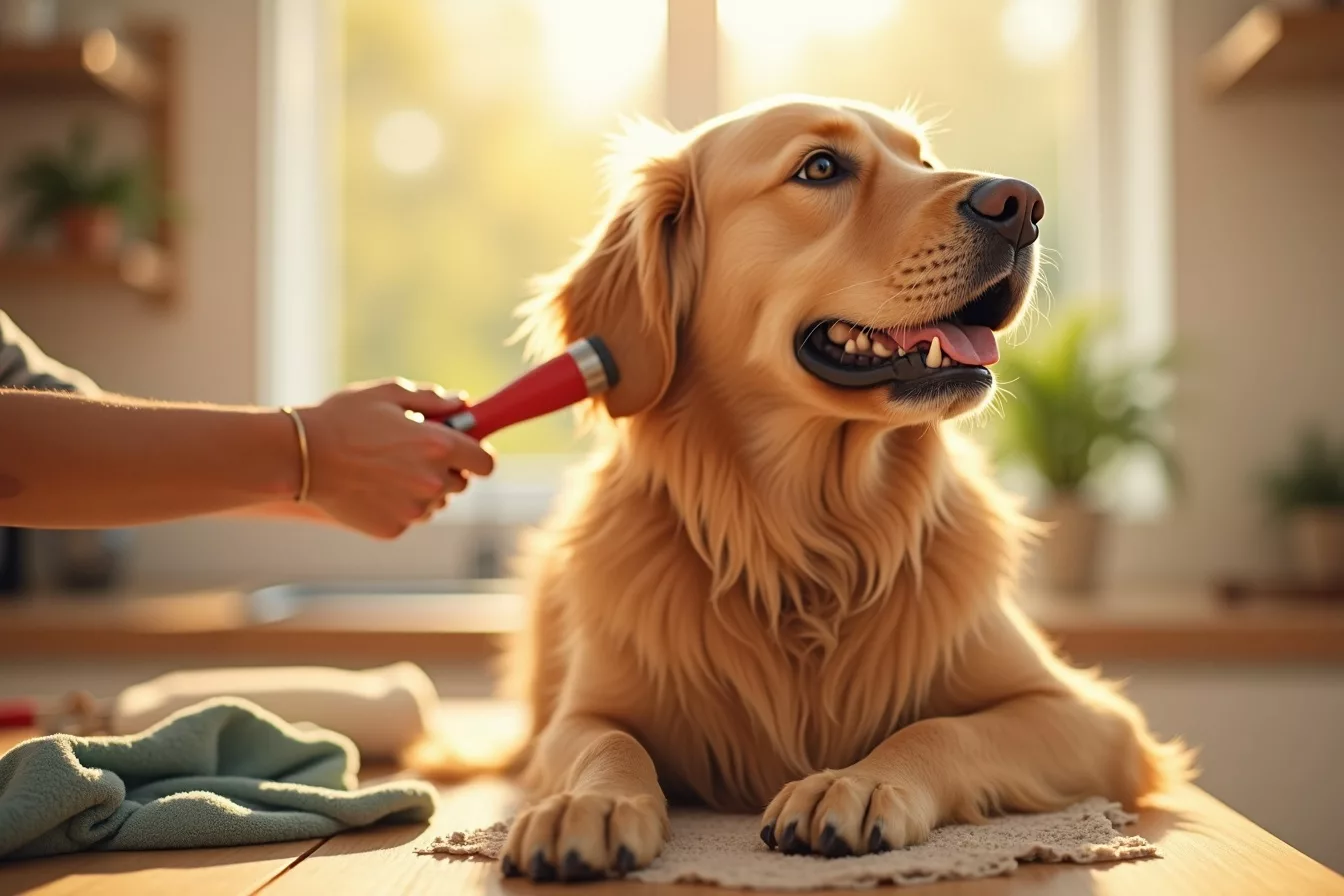

Over 62% of dog owners admit they struggle with seasonal grooming—yet spring is when your pup needs it most. A 2025 study by the Royal Veterinary College found that dogs groomed every 4–6 weeks during spring shed 40% less hair indoors and show improved skin health markers. In this article you’ll discover the exact 10-step routine your vet wants you to follow at home, plus the one surprising step most owners skip that prevents ear infections all summer long.
📊 Key Figures 2026
- 62% of UK dog owners report difficulty managing spring shedding without professional help (PDSA Pet Care Report, 2025)
- Dogs groomed bi-weekly in spring experience 40% reduction in indoor shedding and fewer skin irritations (Royal Veterinary College, 2025)
- 1 in 3 dogs develop ear problems in spring due to moisture and debris—preventable with proper grooming (British Veterinary Association, 2026)
Sources: PDSA, RVC, BVA—2025–2026
Why Spring Grooming Matters More Than You Think
Spring isn’t just about a fresh look for your dog—it’s a critical health window. As temperatures rise and your pup spends more time outdoors, their coat, skin, and ears face new challenges: pollen, moisture, parasites, and matted undercoat that traps bacteria.
Max, a golden retriever from Bristol, developed a severe yeast infection last April because his owner waited until summer to address spring shedding. A simple bi-weekly routine would have prevented weeks of discomfort and expensive vet bills.
The 10-Step Spring Grooming Routine
Step 1: Brush Before You Bathe
Start with a slicker brush to remove loose undercoat and mats. Work in the direction of hair growth, paying special attention to armpits, behind ears, and the tail base—where matting happens fastest.
✅ Expert Tip
Use a de-shedding rake (like a FURminator) twice weekly in spring. This single tool removes 3–4 times more loose hair than a standard brush and takes just 10 minutes.
Step 2: Check and Clean the Ears
Examine ear flaps for redness, odour, or excessive wax—all signs of spring-related ear problems. Use a vet-approved ear cleaner and cotton balls (never cotton buds in the canal).
⚠️ Warning
If you notice dark discharge, persistent scratching, or a yeasty smell, see your vet before bathing. These are early signs of otitis externa—common in spring and worse if left untreated.
Step 3: Trim Nails
Spring activity means longer nails. Trim every 3–4 weeks, cutting just below the quick. If you’re unsure, ask your vet to show you safe trimming technique on your first attempt.
Step 4: Bathe with Seasonal Shampoo
Use a moisturising, hypoallergenic shampoo designed for spring shedding. Lukewarm water (not hot) prevents skin irritation. Massage gently for 5 minutes to loosen undercoat.
Step 5: Focus on Problem Areas
Spend extra time on the belly, paw pads, and between toes—where moisture and pollen collect. These areas are prone to fungal issues in spring.
Step 6: Rinse Thoroughly
Leftover shampoo residue causes itching and skin flakes. Use cool water for the final rinse; this closes the hair cuticle and adds shine.
Step 7: Dry Completely
Damp fur becomes a breeding ground for bacteria and yeast. Use a high-velocity dryer (or microfibre towels and air drying) until the coat is completely dry, especially in the undercoat.
Step 8: Brush Again (Wet Coat)
While the coat is still slightly damp, brush with a wide-tooth comb to detangle and remove any remaining loose hair. This is when your de-shedding tool works best.
Step 9: Trim Paw Pad Hair
Hair between pads collects mud, pollen, and moisture. Use rounded safety scissors to trim flush with the pad surface. This prevents matting and reduces paw licking.
Step 10: Inspect Skin
As a final step, run your fingers through the dry coat looking for lumps, bumps, redness, or flaky patches. Early detection of skin issues prevents summer complications.
✅ Expert Tip
Perform this full routine every 4 weeks in spring (March–May in the UK). Dogs with double coats benefit from bi-weekly sessions. Keep a grooming log to track your dog’s skin and coat changes.
Spring Grooming Kit: What You Actually Need
Invest in: slicker brush, de-shedding rake, nail clippers, vet-approved ear cleaner, hypoallergenic shampoo, microfibre drying towel, and rounded safety scissors. Total investment: £40–80. This beats a single professional grooming session (£60–120) and gives you control over your dog’s routine.
The Signs Your Dog Needs Extra Grooming
Excessive scratching, visible mats, musty odour, red or flaky skin, or frequent head shaking? These are spring grooming red flags. Respond within 48 hours—delaying allows conditions to worsen.
Spring grooming isn’t vanity; it’s preventative healthcare. The 40% reduction in shedding, healthier skin, and fewer ear infections prove that a simple home routine saves money and keeps your dog comfortable all season. Have you noticed your dog scratching more as the weather warms? Start this 10-step routine this week—your vet will thank you.