

Did you know that one in three UK pet owners admit they don’t know how to spot heatstroke in their dog? A new 2025 study by the British Veterinary Association (BVA) reveals that emergency vet visits spike by 47% during summer heatwaves, with most cases entirely preventable. In this article, you’ll discover the vet-approved steps to keep your dog, cat, or rabbit safe when temperatures soar—plus the one surprising hydration mistake almost every owner makes.
📊 Key Figures 2025
- 47% spike in summer emergency visits: BVA data shows heatwave-related admissions surge during July and August in the UK (2024–2025)
- Dogs over 7 years are 3.2x more at risk: According to the PDSA Summer Pet Safety Report 2025, senior dogs and brachycephalic breeds (flat-faced) face heightened heatstroke danger
- 73% of pet owners don’t recognise early heatstroke signs: Royal Veterinary College survey, 2025
Sources: BVA, PDSA, RVC, 2025
Why UK Heatwaves Are Dangerous for Pets
Unlike humans, dogs and cats can’t sweat to cool down—they rely on panting and limited paw-pad perspiration. When ambient temperature exceeds their ability to regulate, their body temperature climbs rapidly, potentially reaching fatal levels within minutes.
British summers are getting hotter. The UK recorded 40.3°C in July 2022, and Met Office projections suggest more frequent extreme heat events. Your pet’s safety depends on immediate action before a crisis strikes.
The Early Warning Signs
Excessive panting (even when resting), drooling, lethargy, vomiting, or glazed eyes are your first red flags. Some pets hide in corners or become unusually restless—this is their body sending distress signals.
⚠️ Warning
If your pet shows uncontrolled panting, collapse, or loss of consciousness, call your vet immediately. Do not wait. Even a 30-minute delay in heatstroke treatment can cause organ damage or death. Keep your emergency vet’s number saved on your phone.
Create a Cool Haven
Start by designating a cool room—ideally north-facing with closed blinds during peak heat (11am–4pm). Tile floors are cooler than carpet; consider placing damp towels down if your pet tolerates it.
Provide fresh water bowls in multiple rooms. Change water every 2–3 hours to keep it cool. Some pets prefer running water—a pet fountain uses gravity to maintain cooler temperatures naturally.
✅ Expert Tip
Freeze a damp flannel or place it in the freezer for 15 minutes, then drape it over your dog’s neck or back. This targets major blood vessels and cools your pet far more effectively than you’d expect. One Cocker Spaniel named Bella, from Manchester, went from panting heavily to resting peacefully within minutes using this technique.
Rethink Exercise During Heat
Never walk your dog during peak heat hours. Early morning (before 8am) or late evening (after 8pm) walks are essential. Keep them short—15 to 20 minutes maximum on hot days.
Always test the pavement with your hand first. If it’s too hot for your palm after 5 seconds, it’s too hot for your dog’s paws. Burnt paw pads can become infected and cause lasting damage.
The Hydration Mistake Nobody Talks About
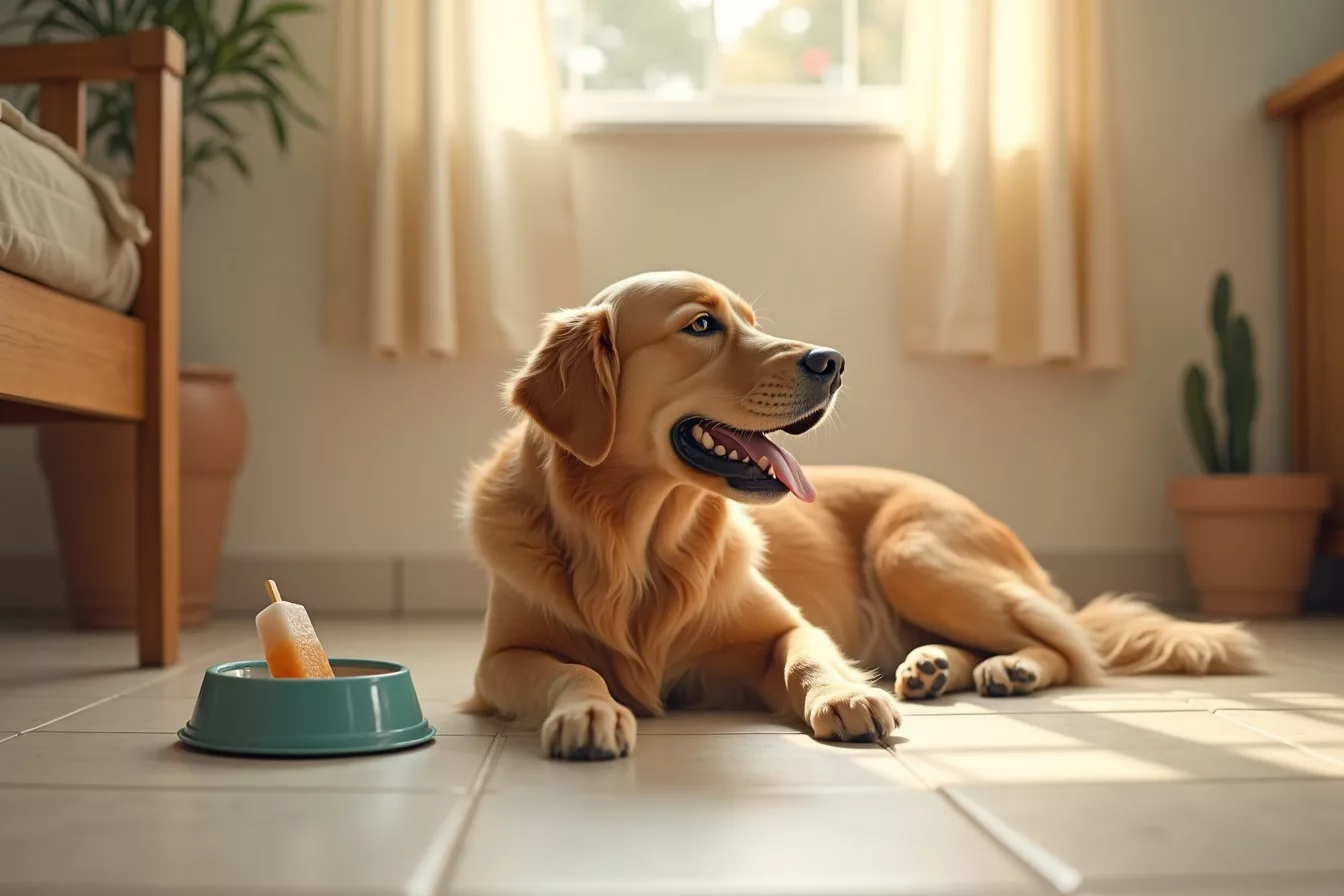
Most owners assume offering water is enough. Here’s what vets know: dehydrated pets often won’t drink enough because their body’s thirst mechanism fails under extreme stress. Instead, offer ice cubes as treats throughout the day—they hydrate whilst cooling from the inside out.
You can also create frozen treats by freezing low-sodium chicken broth in ice-cube trays. Cats often respond better to licking frozen treats than drinking from bowls during heat stress.
Never Leave Pets in Parked Cars
This cannot be overstated. A car reaches dangerous temperatures within 5 minutes in UK summer heat. Even with windows cracked, the interior becomes an oven. Always take your pet with you or leave them safely at home.
✅ Expert Tip
Set phone reminders for water changes and cool-down checks every 3 hours during heatwave alerts. The RSPCA recommends downloading the UK Met Office app to receive heatwave warnings 5–7 days in advance—this gives you time to plan ahead rather than react in crisis mode.
Grooming and Coat Considerations
Resist the urge to shave your dog’s coat entirely. Their fur actually provides insulation against both heat and UV rays. Instead, ask your groomer for a summer trim—shorter but not shaved to skin. Matted coats trap heat dangerously; regular brushing prevents this.
Rabbits and guinea pigs need special care too. Move hutches into shade, ensure good ventilation, and provide damp towels they can sit against. Never use ice packs directly against their bodies.
Medication and Age Matter
Older pets, puppies, and those on medications (especially diuretics or sedatives) are at heightened risk. Brachycephalic breeds like Bulldogs, Pugs, and Persians are particularly vulnerable. If your pet falls into these categories, discuss a heat-safety plan with your vet before summer arrives.
The Bottom Line
Heatstroke is preventable with planning, vigilance, and quick action. The most surprising finding from the 2025 BVA study? Most owners wait too long to cool their pets down—they assume panting is normal until it’s a medical emergency. Start cooling as soon as you notice unusual behaviour.
Have you noticed your pet struggling in previous summers, or is this your first heatwave season? Share your experience and help fellow pet owners stay prepared.