

Did you know that one in three UK pets experiences heat-related illness during summer months? A landmark 2025 study by the Royal Veterinary College found that emergency vet visits spike 42% when temperatures exceed 28°C, with dogs and rabbits at highest risk. In this article you’ll discover the vet-approved strategies that could save your pet’s life—and the single most dangerous mistake owners make when temperatures soar. Spoiler: it’s not what you’d expect.
Why Heatwaves Hit Pets Harder Than You Think
Pets cannot regulate their body temperature the way humans do. Dogs lack sweat glands and rely on panting, whilst cats, rabbits, and guinea pigs are incredibly vulnerable to heat stress. Unlike you, your pet cannot tell you they’re overheating until it’s critical.
The British Veterinary Association reports that heatstroke in pets can develop in as little as 15 minutes on a hot day. Even “safe” indoor temperatures can become dangerous without proper ventilation and hydration.
📊 Key Figures 2026
- 42% increase in emergency vet visits: Royal Veterinary College data shows spike during UK heatwaves (2025)
- 73% of heatstroke cases involve dogs over 5 years old: PDSA analysis reveals age as critical risk factor (2025)
- 15 minutes to critical heatstroke: Time it takes for symptoms to become life-threatening in high temperatures
Sources: Royal Veterinary College, PDSA, British Veterinary Association 2025
The Five-Point Hydration Strategy
Water access is non-negotiable. Provide multiple water bowls throughout your home—at least one in every room where your pet spends time. Change water every 2–3 hours to keep it cool and fresh.
For dogs, consider a pet water fountain, which encourages drinking by mimicking flowing water. Rabbits and guinea pigs should have water bottles checked twice daily; they can clog in heat.
✅ Expert Tip
Offer ice cubes or frozen treats (plain ice or frozen broth) to encourage fluid intake. Luna, a 4-year-old Cocker Spaniel from Manchester, drank 40% more during heatwaves when her owner offered frozen chicken broth cubes—a simple change that kept her hydrated without forcing her to drink.
Creating a Cool Refuge: The Safe Space Formula
Your pet needs a dedicated cool zone. Ideally, this should be on the lowest level of your home (heat rises), away from direct sunlight, and with consistent airflow.
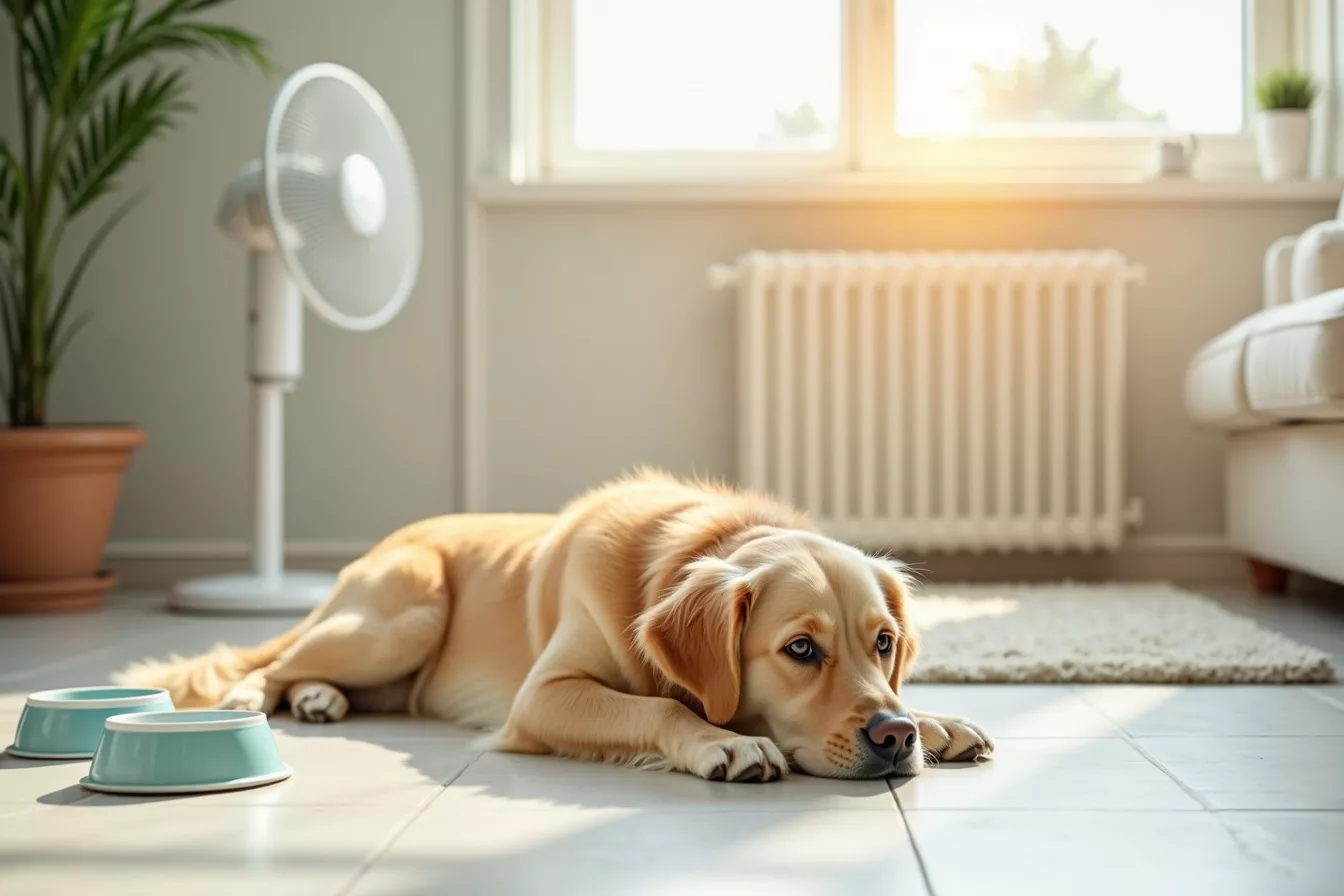
Close curtains and blinds during the day. Use fans—position one to direct air across a tile floor where your pet can rest. Never use air conditioning set below 20°C, as sudden temperature shifts stress pets’ systems.
For outdoor pets, ensure access to shade at all times. A shaded garden area with a cooling mat (soak it in water and refresh hourly) provides relief. Never leave pets in sheds, conservatories, or garages—these heat up rapidly.
⚠️ Warning
Signs of heatstroke include excessive panting, drooling, lethargy, vomiting, or collapse. If your pet shows any of these, immediately move them to a cool area, offer water, and contact your vet. Do not wait—heatstroke can be fatal within hours. Call your emergency vet clinic if symptoms persist beyond 10 minutes.
The Exercise Schedule Shift
Reduce outdoor activity during peak heat (11am–4pm). Walk dogs early morning or late evening when pavements are cooler. Hot tarmac can burn paw pads in seconds—test the pavement with your hand first.
Keep walks shorter and slower. A 20-minute morning walk is better than a 45-minute afternoon adventure during heatwaves. Watch for signs of fatigue: reluctance to move, excessive panting, or seeking shade constantly.
Grooming and Coat Care
Never shave double-coated breeds (Golden Retrievers, Huskies, German Shepherds). Their undercoat provides insulation and UV protection. Instead, brush regularly to remove loose fur and improve air circulation.
For long-haired cats and rabbits, a gentle trim around the hindquarters can help—consult your groomer about breed-safe options. Single-coated breeds may benefit from a professional clip.
Medication and Supplement Adjustments
Some medications (particularly antihistamines and pain relievers) can impair temperature regulation. Contact your vet before heatwave season to discuss whether your pet’s prescriptions need adjusting or require cooler storage.
Store pet medications in the coolest part of your home, never in direct sunlight or hot cars. Insulin and certain heart medications are especially temperature-sensitive.
The Car Rule: Non-Negotiable
Never leave a pet in a parked car during warm weather. The RSPCA receives over 8,000 calls annually about pets left in hot vehicles. Internal temperatures can exceed 40°C in just 15 minutes, even with windows slightly open.
If you must travel, use air conditioning and make frequent stops. Keep a portable water bowl and ice packs in your car.
When to Call Your Vet Immediately
Contact your vet if your pet shows lethargy lasting more than a few hours, refuses food or water, has pale or blue-tinged gums, or displays unusual behaviour. Senior pets, puppies, and flat-faced breeds (Bulldogs, Persians) need extra vigilance—they’re at heightened risk.
Consider scheduling a pre-summer health check with your vet to discuss individual risk factors and create a personalised heatwave plan.
Final Thoughts
Heatwaves are increasingly common in the UK, and your pet depends entirely on you to recognise danger signs and act quickly. The most crucial takeaway? Heatstroke develops faster than most owners realise. By creating a cool refuge, maintaining hydration, and adjusting exercise, you’ll keep your companion safe. Have you noticed your pet showing signs of heat stress in previous summers—and what worked best for your household?