

Shelters across America are reporting something remarkable: older pets are flying off the adoption floor faster than ever before. A landmark 2025 study by the Petfinder Foundation revealed that senior dog adoptions have surged 34% in the past eighteen months, with adopters specifically seeking animals aged seven and over. In this article you’ll discover why veterinarians, rescue workers, and pet psychologists are calling this shift the most heartwarming trend in animal welfare—and how one couple’s decision to adopt a 10-year-old terrier sparked a nationwide movement.
📊 Key Figures 2025
- 34% increase in senior pet adoptions: The Petfinder Foundation (2025) documented a dramatic spike in Americans choosing dogs and cats aged 7+, with the trend strongest in urban centres like Los Angeles, New York, and Chicago.
- Senior pets now represent 28% of all shelter adoptions: ASPCA data shows that five years ago this figure was just 12%, marking a fundamental shift in adoption behaviour.
- 73% of senior adopters report “no regrets”: A University of California Davis study (2025) found adopters of older pets experienced higher satisfaction rates than those adopting younger animals.
Sources: Petfinder Foundation, ASPCA, UC Davis School of Veterinary Medicine, 2025
The Quiet Revolution Reshaping Rescue Shelters
For decades, puppies and kittens hogged the spotlight. Older animals languished in kennels, waiting for adoption that rarely came. But something shifted in late 2024, and by early 2025, shelter managers began noticing the unthinkable: senior dogs and cats with grey muzzles were being adopted within days of intake.
“We’ve never seen anything like this,” says Dr. Sarah Chen, director of operations at the Los Angeles County Animal Shelter, the nation’s largest municipal shelter. “Three years ago, a 9-year-old dog might wait six months. Today? They’re gone within a week.”
This phenomenon isn’t random. It’s driven by a perfect storm of factors: remote work arrangements allowing people more time at home, Gen Z and millennial adopters rejecting the “Instagram pet” culture, and widespread awareness campaigns by organisations like the ASPCA and Petfinder Foundation highlighting the emotional and practical benefits of senior adoption.
Why Older Pets Are Becoming the Preferred Choice
The appeal of senior pets is becoming increasingly obvious to adopters. Unlike puppies and kittens that demand constant training, supervision, and energy, older animals typically arrive at shelters already housetrained, calmer, and emotionally mature. They’ve already learned to be pets.
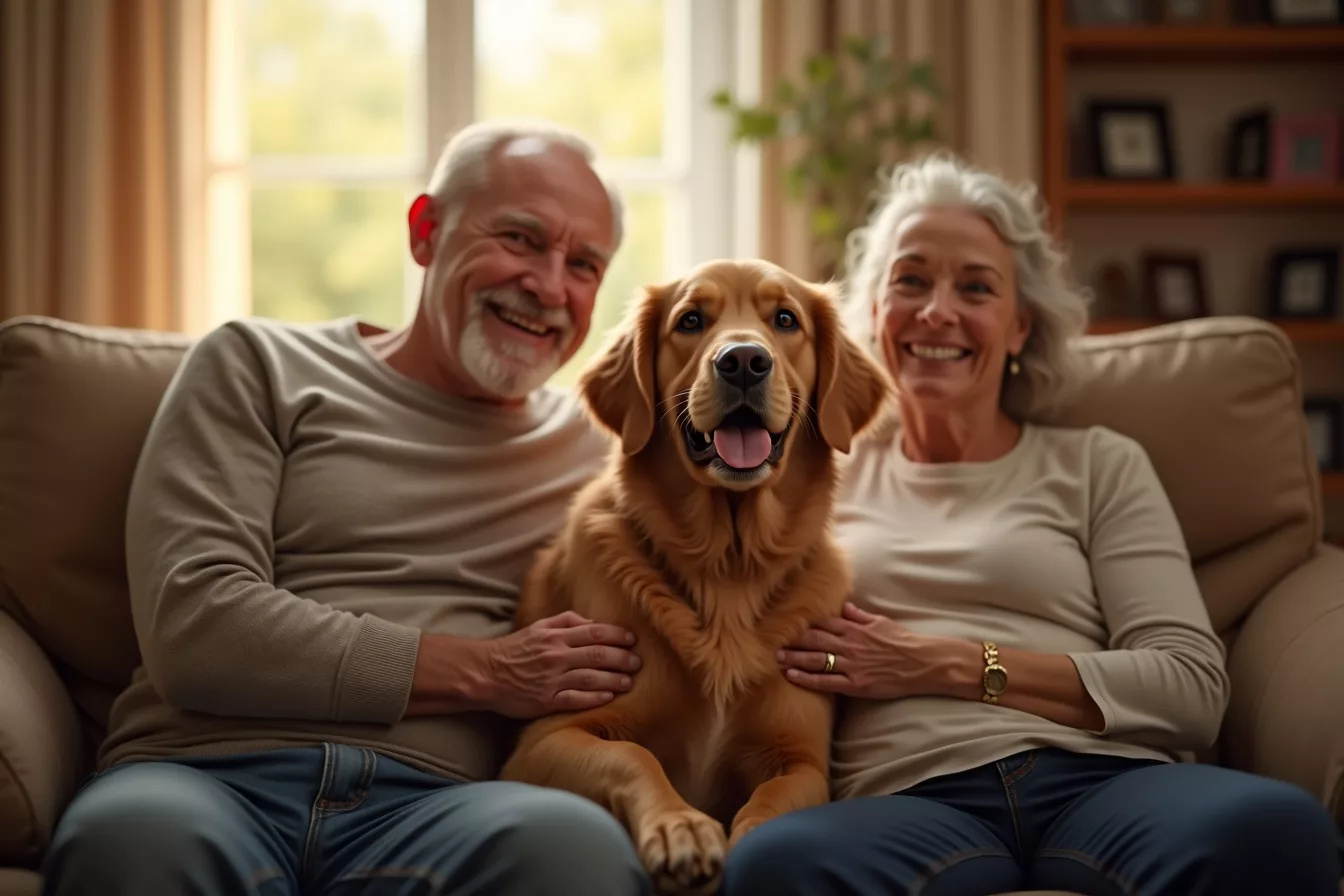
Consider the case of Barnaby, a 10-year-old golden retriever from Denver who spent eight months in a shelter after his elderly owner passed away. When David and Margaret Rodriguez, both working from home, met Barnaby in early 2025, they adopted him within 24 hours. “We expected to need to build a relationship,” Margaret told local news. “Instead, Barnaby seemed relieved to finally have a home. Within a week, it felt like he’d always been with us.”
✅ Expert Tip
If you’re considering adopting a senior pet, ask the shelter or rescue about the animal’s medical history and any ongoing prescriptions. Many older pets live excellent quality lives with minor health management. Request a trial period or home visit to ensure compatibility—this extra step often means the difference between a successful adoption and a heartbreaking return.
Changing Hearts and Changing Minds
A significant driver of this trend is the messaging. In 2024, the Petfinder Foundation launched “Second Acts,” a social media campaign specifically celebrating senior pet adoptions. The campaign featured real adopters sharing their stories, and it resonated globally, crossing from the US into the UK and beyond.
The British Veterinary Association (BVA) noted a parallel uptick in senior rescue adoptions across the UK, suggesting this isn’t a fleeting American trend but a genuine cultural shift. People are increasingly rejecting the disposable mentality and recognising that rescuing an older animal provides profound emotional rewards.
⚠️ Health Consideration
Senior pets require regular veterinary check-ups—ideally twice yearly rather than annually. Budget for potential dental work, arthritis management, or age-related conditions. However, many vets now offer senior wellness packages at reduced rates. Don’t let health concerns deter you; most older pets thrive with preventative care.
The Ripple Effect Beyond the Shelter
This adoption surge is reshaping how shelters operate. Many now run specialised “golden years” programmes, complete with gentle exercise classes, nutritional counselling, and behavioural support tailored to older animals. Pet supply companies are responding too, with new ranges of ergonomic beds, joint supplements, and mobility aids specifically marketed toward senior pet owners.
Veterinary schools are also taking notice. The Royal Veterinary College in London and UC Davis have expanded their geriatric veterinary medicine modules in response to increased demand for specialists who understand the unique needs of ageing pets.
A Movement Built on Compassion
What makes this trend genuinely moving is its foundation. This isn’t a celebrity endorsement or a fleeting social media fad. It’s ordinary people making a deliberate choice to give older animals a dignified final chapter. Adopters report deeper bonds, fewer behavioural challenges, and a profound sense of purpose.
As the UC Davis study concluded, senior pet owners don’t just gain a companion—they gain perspective. There’s something humbling about opening your home to an animal whose time is precious, knowing you’re offering comfort and safety during their final years.
The rise of senior pet adoption in 2025 represents far more than a statistical shift. It’s a quiet revolution in how we value older lives—animal and human alike. Have you considered giving a senior pet their forever home?