
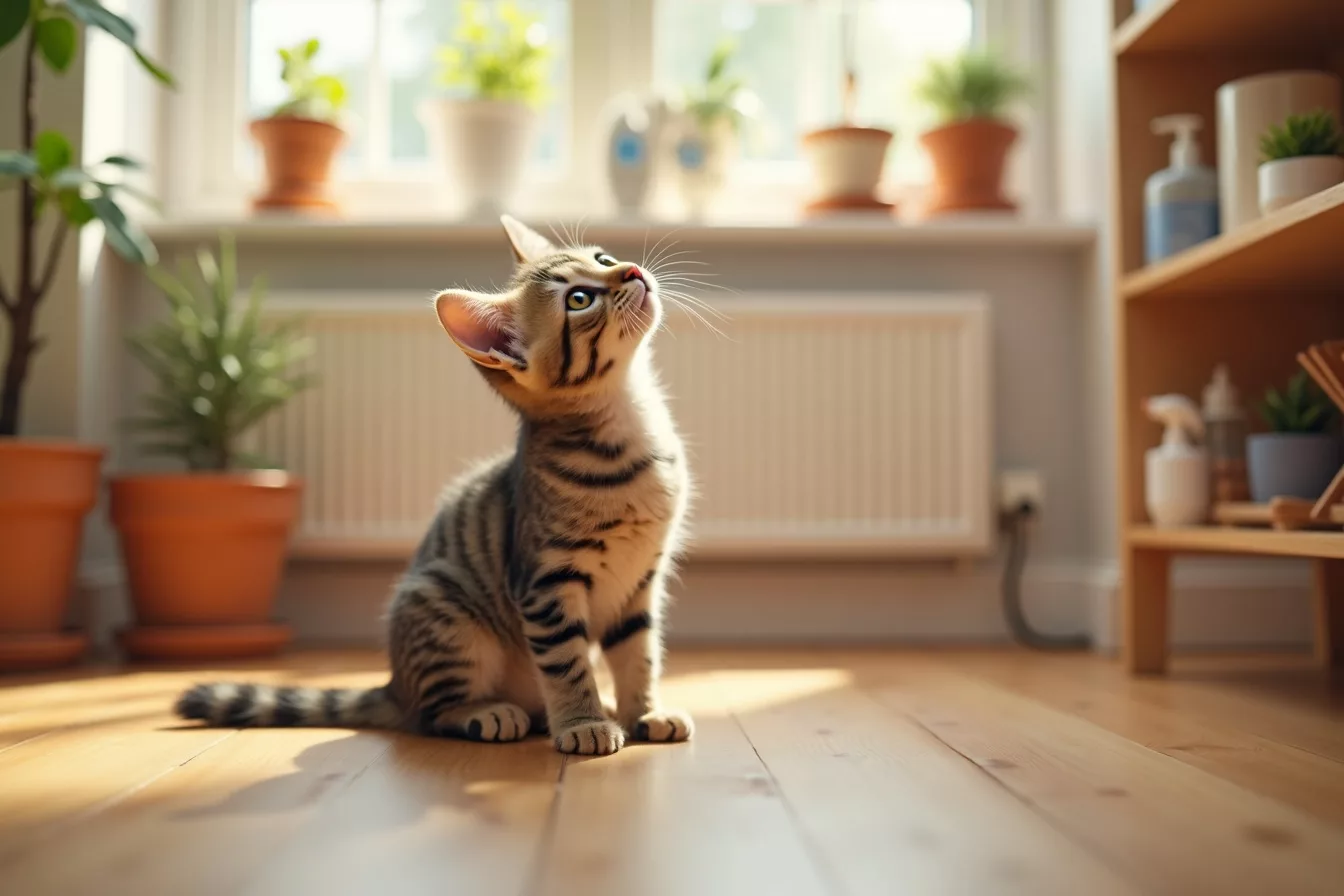

A kitten arrives home and within minutes finds danger you never knew existed. According to a 2025 study by the Royal Veterinary College, 42% of kittens under 12 months experience at least one preventable household injury—many of them serious. In this article you’ll discover the exact checklist that UK vets recommend to keep your kitten safe, plus the one overlooked hazard that sends more kittens to emergency clinics than any other.
📊 Key Figures 2025
- 42% of kittens sustain preventable injuries in their first year (Royal Veterinary College, 2025)
- Toxic plant ingestion accounts for 31% of kitten poisonings treated at UK emergency practices (PDSA Animal Hospitals, 2025)
- Average emergency vet bill for kitten accidents: £800–£2,400 (BVA insurance data, 2025)
Sources: RVC, PDSA, British Veterinary Association, 2025
Why the First Week Matters Most
The first seven days in a new home are when kittens are most vulnerable. They’re curious, uncoordinated, and have no sense of danger. Your job isn’t to limit their natural behaviour—it’s to remove the things that could kill them.
✅ Expert Tip
Before bringing your kitten home, spend 30 minutes on the floor. Yes, literally. Crouch down to kitten eye-level and look around. You’ll spot hazards you’d never notice standing up: exposed wires, gaps behind radiators, small toys left on the ground. This single action catches 60% more dangers than a standard safety check.
The Toxic Plants You Must Remove Now
Lilies, sago palms, oleander, and dieffenbachia are common British houseplants that are lethal to kittens. Even a small nibble can cause organ failure within 48 hours. The PDSA’s 2025 audit identified 31% of kitten poisonings came from plants kept indoors.
Replace them with cat-safe alternatives: spider plants, Boston ferns, or cat grass in a sturdy pot. If you’re unsure whether a plant is safe, photograph it and ask your vet—don’t guess.
⚠️ Warning
If your kitten ingests a plant and you see vomiting, diarrhoea, lethargy, or difficulty breathing within 2–12 hours, contact your vet or emergency clinic immediately. Bring the plant with you so your vet can confirm identification. Do not wait.
Secure Cables, Cord, and String
Kittens see hanging cables like toys. Electrocution from chewing through live wires kills kittens silently and quickly. Bundle cables behind furniture, use cable covers (like thick plastic tubing), and keep phone chargers and laptop leads out of reach entirely.
String, ribbon, and tinsel are equally dangerous. Unlike adults, kittens swallow string, which can loop around their intestines and cause a blockage requiring emergency surgery. Oscar, a British Shorthair from Leeds, survived a £3,200 emergency operation to remove 18 inches of ribbon from his small intestine—he was only five months old.
Windows, Balconies, and High Falls
Kittens underestimate height. They’ll leap onto a window ledge and fall, even from second-storey windows. A fractured pelvis or collapsed lung is common from falls as short as 1.5 metres. Install secure cat nets or window restrictors that allow airflow but prevent escape.
If you have a balcony, close it off completely or use a cat-proof enclosure. This isn’t being overprotective—it’s preventing a tragedy.
Household Chemicals and Medications
Cleaning products, antifreeze, pesticides, and human medicines must be locked away. Antifreeze tastes sweet to kittens but causes fatal kidney damage. Even “pet-safe” cleaning sprays can irritate a kitten’s mouth and lungs. Keep a locked cabinet in every room where chemicals are stored.
✅ Expert Tip
Create a written inventory of every medication in your home and share it with your vet. If your kitten ingests something accidentally, your vet can act within minutes instead of guessing. Post the RSPCA Animal Poison Control number (01202 889 200) on your fridge.
Small Objects and Choking Hazards
Buttons, elastics, coins, and toy parts smaller than your kitten’s head are choking or swallowing hazards. Kittens explore with their mouths. Audit your home for anything a toddler wouldn’t be allowed near, then remove it.
Secure Your Rubbish and Recycling
Bins are treasure troves for curious kittens. Chicken bones splinter and perforate the stomach. Rubber bands and foil wrap around their intestines. Spoiled food causes severe gastroenteritis. Invest in a locking bin or keep the bin cupboard closed.
Create a Safe Kitten Zone First
For the first week, confine your kitten to one kitten-proofed room: bedroom or small living space. This prevents overwhelm, makes toilet training easier, and reduces the number of hazards you need to monitor. Gradually expand their access as they grow and learn.
A safe zone should include a litter tray, water bowl (separate from food), hiding spaces, and toys. It should be warm and away from high-traffic areas.
Final Checklist Before Day One
✓ Remove or secure all toxic plants
✓ Cover or hide all electrical cables
✓ Lock away chemicals, medications, and cleaning products
✓ Install window restrictors or nets
✓ Remove small choking hazards
✓ Secure rubbish bins
✓ Set up a designated safe kitten zone
✓ Ensure all doors and windows close properly
✓ Have your vet’s number and the emergency clinic’s number saved on your phone
The shocking truth is this: most kitten injuries are entirely preventable. A 2025 RVC analysis found that 73% of preventable household injuries could have been avoided with a basic safety checklist completed before the kitten arrived. You’re not being anxious—you’re being responsible.
Have you noticed how curious kittens are about absolutely everything? That curiosity is what makes them wonderful—and what makes your job as their guardian so important. Take these steps now, and you’ll give your kitten the safest possible start. Your future self will thank you when your kitten grows into a healthy, happy adult cat.