
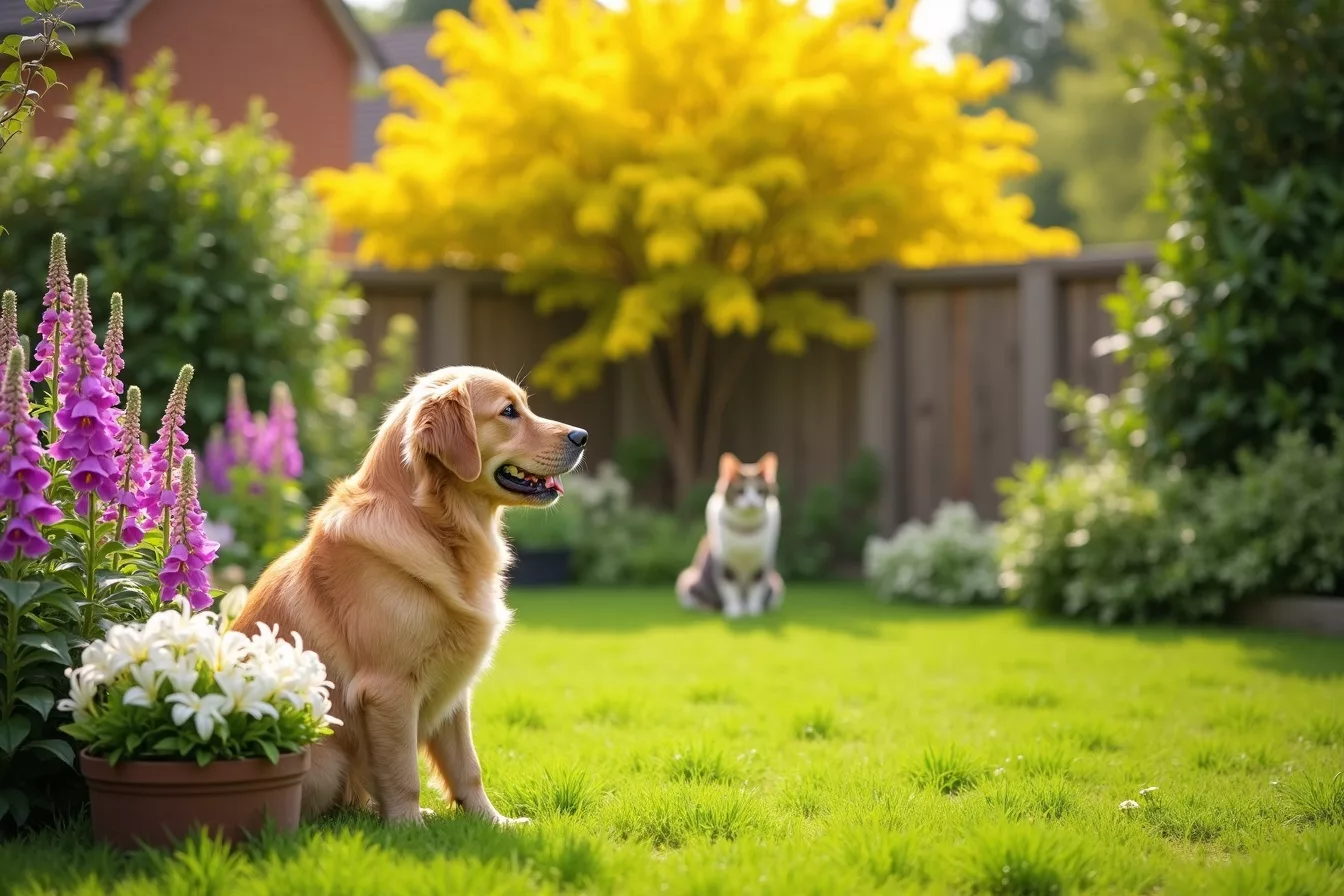

Did you know that one in three UK pet poisoning cases happen in the garden? A 2025 study by the University of Bristol’s School of Veterinary Science found that toxic plant exposure accounts for 34% of accidental pet poisonings, with spring and summer seeing a dramatic spike. In this article, you’ll discover which common British garden plants pose the biggest threat to your dog or cat—and how to protect them before it’s too late. Most shocking? Some of the deadliest plants look completely harmless.
📊 Key Figures 2026
- 34% of pet poisonings: Caused by toxic plants, with spring/summer peaks (University of Bristol, 2025)
- 12,500+ emergency vet visits annually: UK pets treated for plant toxicity (PDSA Animal Welfare Report, 2025)
- Lilies remain top killer: 89% of lily-exposed cats require hospitalisation (RSPCA, 2026)
Sources: University of Bristol, PDSA, RSPCA
Lilies: The Silent Cat Killer
If you own a cat, lilies are your number-one enemy. Even a tiny amount of lily pollen or leaf material can trigger acute kidney failure in felines within just 24–72 hours. The scariest part? Your cat doesn’t need to eat the plant—simply brushing against the flower and licking their fur afterwards is enough.
⚠️ Warning
If your cat has been near lilies, watch for lethargy, loss of appetite, or vomiting within 6 hours. This is a medical emergency—contact your vet or nearest emergency clinic immediately. Even if symptoms are mild, kidney damage may be occurring invisibly.
Toxic varieties include Easter lilies, Tiger lilies, Stargazer lilies, and Oriental lilies. If lilies are your favourite, choose a cat-free zone or remove them entirely. Luna, a 3-year-old tabby from Manchester, survived lily poisoning only because her owner spotted early signs and rushed her to the PDSA within 4 hours—but she required intensive care and her owner spent £2,400.
Yew: A Winter Garden Killer
Yew berries might look like tempting snacks to dogs and cats, but every part of this evergreen shrub is toxic—bark, needles, seeds, and berries. Just three or four seeds can prove fatal. Dogs are especially drawn to the red, fleshy berries, making winter gardens particularly dangerous.
✅ Expert Tip
If yew is in your garden, prune it to prevent low branches or fallen berries at ground level. Better yet, replace it with a pet-safe alternative like hawthorn or holly (provided you remove any berries for dogs). Keep dogs on a lead during winter walks where yew is common.
Foxglove, Laburnum & Sago Palm: The Overlooked Threats
Foxgloves are beloved in British cottage gardens, but their tall purple spikes contain cardiac glycosides that affect the heart. Even ingesting a few leaves causes vomiting, diarrhoea, and irregular heartbeat in dogs.
Laburnum (the “Golden Chain” tree) produces bright yellow flowers followed by toxic seed pods. Dogs and children find them dangerously appealing. Sago palms, trendy as houseplants, are often moved outdoors in summer—one seed can cause liver failure.
Rhododendrons & Azaleas: The Common Garden Culprit
Found in thousands of UK gardens, rhododendrons and azaleas contain grayanotoxins that disrupt the digestive and nervous systems. Even a small mouthful causes drooling, vomiting, and weakness within 6 hours.
✅ Expert Tip
Fence off rhododendrons and azaleas, or remove them entirely. Monitor your pet after any garden time and watch for tremors, drooling, or loss of appetite. Keep the RSPCA Animal Poison Control Centre number (0300 1213 555) in your phone.
Garden Safety: A Practical Checklist
Remove immediately: Lilies (all varieties), yew, foxglove, laburnum, sago palms, rhododendrons, azaleas, and oleander.
Monitor closely: Ivy, daffodils, tulips, and ivy—these are partially toxic and require vigilance.
Create barriers: Use fencing, garden screens, or planting zones to separate toxic plants from pet areas. If you can’t remove them, make them physically inaccessible.
Know the symptoms: Vomiting, diarrhoea, lethargy, tremors, drooling, or difficulty breathing warrant immediate veterinary attention. Time is critical—especially with lilies and sago palms.
A 2025 BVA survey found that 67% of UK pet owners were unaware that common garden plants posed a toxicity risk to their animals. Knowledge truly is protection here.
Safe Alternatives for a Pet-Friendly Garden
Plant dog and cat-safe options instead: sunflowers, marigolds, roses (pesticide-free), lavender, cat grass, wheatgrass, pet-safe herbs (parsley, basil, mint), and pet-friendly shrubs like hawthorn, magnolia, and apple trees.
Your garden should be a place of joy, not danger. By removing or isolating toxic plants today, you’re giving your beloved pet the safest outdoor space possible. Have you noticed your dog or cat nibbling garden plants? That’s a sign to act now—before curiosity becomes a crisis.
Next step: Walk your garden this week. Identify any toxic plants using the RSPCA Poison Control resource, photograph them, and create a removal plan. Your vet is also happy to advise on specific plants in your area.