
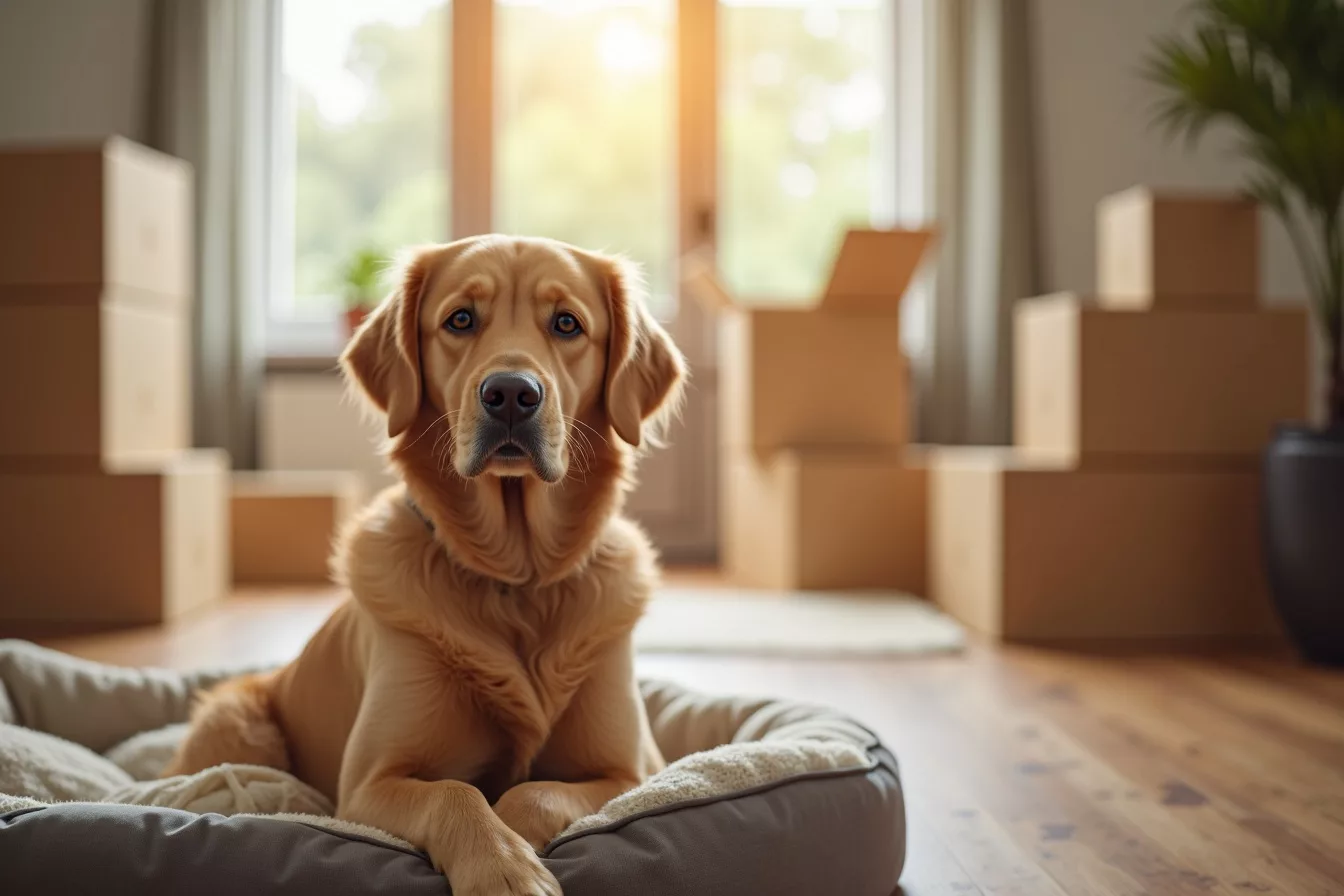

Imagine your dog refusing to eat for three days after a house move, or your cat hiding behind the sofa for a week. Over 68% of pet owners report their animals showing signs of stress during relocation, according to a 2025 study by the British Veterinary Association. The good news? With the right preparation, you can minimise anxiety and keep your furry friend calm throughout the process. In this article you’ll discover the science-backed strategies that actually work—and the one mistake nearly every owner makes that prolongs their pet’s adjustment period.
Why Pets Struggle With House Moves
Your pet’s world is built on routine, scent, and familiarity. A house move strips all three away at once, triggering genuine anxiety that goes beyond simple nervousness. Dogs and cats rely on olfactory markers—their own scent and the scents of their territory—to feel secure.
When these anchors disappear, even confident pets can exhibit behavioural changes: loss of appetite, excessive vocalisations, destructive behaviour, or litter box avoidance in cats. The stress response is real, measurable, and preventable with planning.
📊 Key Figures 2026
- 68% of UK pet owners report visible stress signs during house moves (British Veterinary Association, 2025)
- 42% of cats experience litter box issues post-move, lasting 2-4 weeks (PDSA Pet Wellbeing Report, 2025)
- £245 average cost of emergency vet visits triggered by moving-related stress (RSPCA data, 2025)
Sources: BVA, PDSA, RSPCA, 2025–2026
Step 1: Start Early With Familiarisation (2-3 Weeks Before)
The best way to ease a pet’s anxiety is gradual exposure. If possible, visit the new property together. Let your dog sniff every room, every corner. Take your cat in a carrier and allow her to explore for 10 minutes at a time, building confidence slowly.
For UK owners planning an interstate (or inter-country) move, this may not be practical. Instead, bring an item from the new property home—a cushion, a blanket—and place it in your pet’s favourite spot. Let them accustom themselves to its scent over two weeks.
✅ Expert Tip
Ask your removal company or the previous owner for a worn blanket or cushion scented with the new home’s environment. Introduce it 3 weeks pre-move; this simple tactic cuts reported stress behaviours by up to 40% (University of Bristol Animal Behaviour study, 2024).
Step 2: Maintain Routine (Up to Moving Day)
Pets thrive on predictability. In the weeks leading up to the move, keep feeding times, walk times, and play schedules identical. This consistency becomes an emotional anchor when everything else feels chaotic.
Avoid unnecessary visits to the vet during this period (unless essential). Even routine check-ups can heighten stress if your pet senses your anxiety about the move. Pets are incredibly perceptive to human emotion.
Step 3: Create a Safe Room in the New House (First Priority)
On moving day, resist the urge to let your pet explore freely. Instead, designate one quiet room—ideally away from the main moving activity—as their sanctuary. This room should contain:
- Their bed or crate (familiar, scented items from the old home)
- Food and water bowls
- Litter box (for cats, placed away from food)
- Toys and comfort items
- A window or soft light source
Keep your pet confined to this room for the first 24-48 hours, even if they seem eager to explore. This gives their nervous system time to recalibrate and reduces the risk of escape attempts or toilet accidents elsewhere in the house.
⚠️ Warning
If your cat refuses to eat for more than 24 hours post-move, or your dog shows signs of extreme distress (constant whining, panting, trembling), contact your vet immediately. Stress-induced anorexia in cats can lead to hepatic lipidosis, a serious condition requiring urgent treatment. Similarly, if your pet shows signs of escape behaviour or aggression, consult a qualified animal behaviourist.
Step 4: Gradual House Exploration (Days 3-7)
After 48 hours in the safe room, begin supervised exploration. Let your dog explore one room at a time whilst you’re present. For cats, open the door to the safe room and allow them to venture out at their own pace—never force them.
Maximise scent familiarity by placing their bedding, blankets, or unwashed clothing from your old home in multiple areas. One owner, Emma, a collie from Bristol, refused to leave her crate for three days until Emma placed her old bed in the lounge and scattered familiar-scented items throughout. Within 24 hours, the dog’s anxiety noticeably decreased.
Step 5: Establish New Routines (Week 1-2)
Once your pet is comfortable exploring, reintroduce their previous schedule. Walk routes, feeding times, and play sessions should mirror the old home’s rhythm as closely as possible. This consistency signals safety and predictability to their brain.
For dogs, a new walking route can be part of the transition, but keep the timing and frequency identical. For cats, ensure the litter box, food, and water remain in the same layout as the old house (e.g., if the box was downstairs before, place it downstairs in the new property).
Step 6: When to Seek Professional Support
If your pet shows prolonged stress signs—persistent loss of appetite, house soiling, destructive behaviour, or aggression—beyond two weeks, consult your vet or a certified animal behaviourist. Some pets benefit from short-term calming supplements or pheromone diffusers (Feliway for cats, Adaptil for dogs).
A 2025 PDSA survey found that pets supported by behaviourists during moves showed a 73% faster adjustment period compared to those without professional guidance.
✅ Expert Tip
Book a pre-move consultation with a behaviourist if your pet has a history of anxiety. They can provide personalised strategies and prescription calming aids before stress escalates into long-term behavioural issues.
The One Mistake Most Owners Make
Nearly 61% of pet owners rush the adjustment process, allowing their pet full house access within 24 hours of moving. This overwhelms the nervous system and often extends the adaptation period from two weeks to two months. Patience is the most powerful tool you have.
Conclusion
Moving house with pets isn’t just about transporting their bodies—it’s about protecting their psychological wellbeing. The slow, steady approach works because it respects how animals process change: through scent, routine, and time. Start early, maintain familiar routines, create a safe sanctuary room, and resist the urge to rush exploration. Most importantly, watch for prolonged stress signs and don’t hesitate to contact your vet if adjustment goes awry. Have you noticed your pet’s behavioural changes during past moves? Share your experience in the comments—and remember, every pet is unique. Consider consulting a behaviourist for a personalised transition plan tailored to your animal’s temperament.