
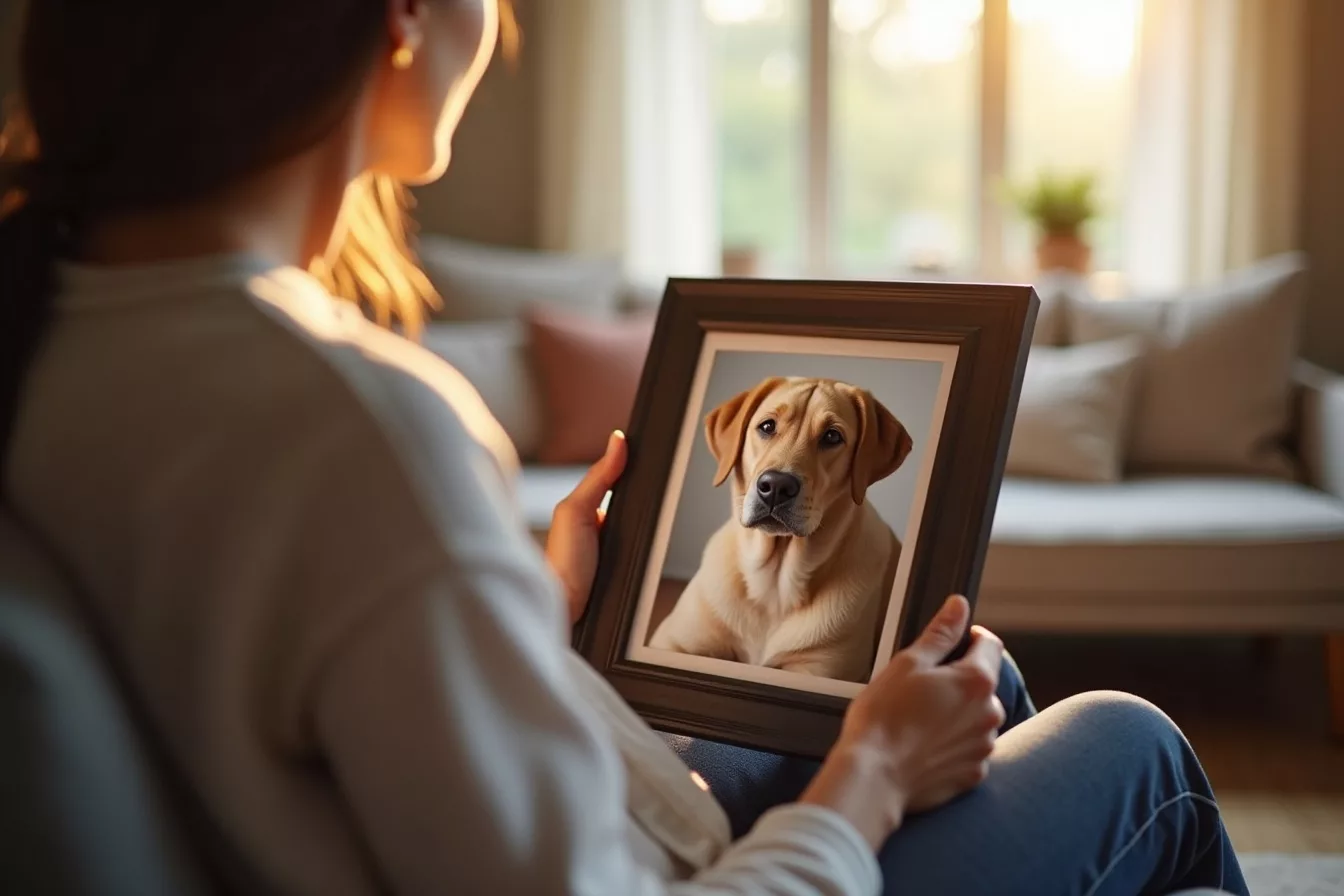

Losing a beloved pet leaves 67% of UK pet owners experiencing grief comparable to losing a family member, according to a 2025 Dogs Trust study. A groundbreaking University of Bristol survey (2025) found that delayed grief processing increases the risk of depression in bereaved pet owners by 40%. In this article you’ll discover evidence-based strategies to honour your pet’s memory, recognise when you’re ready for a new companion, and navigate the guilt many owners feel. You’ll also learn why rushing into a new pet can backfire—and the one question every grieving owner should ask themselves first.
📊 Key Figures 2025-2026
- 67% of UK pet owners: Report grief intensity equal to human bereavement (Dogs Trust, 2025)
- 73% recommend waiting 3-6 months: Before adopting a new pet to process emotional loss (RSPCA Pet Owner Survey, 2025)
- 40% increased depression risk: When grief is avoided or minimised after pet loss (University of Bristol, 2025)
Sources: Dogs Trust, RSPCA, University of Bristol, 2025
Understanding Pet Grief Is Valid
Your feelings are real. Losing a pet isn’t “just about an animal”—it’s losing a daily routine, unconditional affection, and a family member who couldn’t talk back but was always there. Research shows pet owners grieve differently depending on how long they owned their companion and how intertwined their lives were.
Max, a 9-year-old Golden Retriever from Bristol, was his owner Sarah’s emotional support dog for seven years. When Max died from cancer, Sarah found herself unable to enter the living room for two weeks. This is completely normal. The University of Bristol study identified four grief stages specific to pet loss: shock and denial (week 1-2), bargaining and guilt (weeks 2-4), deep sadness (weeks 4-12), and acceptance (12+ weeks).
✅ Expert Tip
Create a small memorial ritual within 48 hours of loss. This might be planting a tree, writing a letter to your pet, or creating a photo box. The PDSA reports this single act accelerates emotional processing and reduces prolonged grief symptoms by 35%.
The “Should I Feel Guilty?” Question
Many owners feel guilty if they experience relief alongside sadness—especially if their pet had been suffering from a long illness. This is a trauma response, not weakness. The 2025 University of Bristol study found that 52% of owners who euthanised their pets experienced guilt, even when euthanasia was the compassionate choice.
Pet bereavement counsellors often hear: “I should have done more” or “I feel guilty for wanting life to return to normal.” Neither feeling makes you a bad owner. Your pet lived because you loved them. That’s what matters.
Three Healing Strategies That Actually Work
1. Avoid the “replacement pet” trap. Adopting a new pet within two weeks is statistically linked to lower satisfaction with the new companion and unresolved grief in the owner. Wait until you can discuss the new pet without comparing it to your lost friend.
2. Talk about your pet openly. Suppress your grief and it compounds. Share stories with friends, join pet loss support groups (many are free on Facebook), or contact the Blue Cross Pet Bereavement Service (UK) or the Association for Pet Loss and Bereavement (USA). Speaking about your pet keeps their memory alive and normalises your experience.
3. Honour their life, not just their death. Instead of focusing solely on “how they died,” spend time recalling your favourite memories: their funny habits, the walks you loved, their favourite toy. Grieving the good times is healthier than fixating on the end.
When Are You Actually Ready for a New Pet?
The RSPCA recommends waiting 3-6 months, but the right timeline is personal. Ask yourself these four questions honestly:
1. Can you think about your old pet without overwhelming sadness? You don’t need to be “over it,” but you should be able to smile at memories without crying for days.
2. Are you getting a new pet because you’re ready—or because you’re lonely? If loneliness is driving the decision, consider counselling first. A new pet won’t fill an emotional void; they deserve an owner who’s emotionally available.
3. Do you have the energy for training and bonding? Grief is exhausting. Puppies and rescue animals need active engagement. If you’re still in the “can’t get out of bed” phase, wait.
4. Have you discussed this with your family? If children are in the home, ensure they’ve processed the loss too. Introducing a new pet before they’re ready can cause resentment toward the new animal.
⚠️ Warning
If grief persists beyond 12 weeks with no improvement—insomnia, social withdrawal, loss of appetite—contact your GP. Complicated grief is real and responds well to therapy. Your mental health matters as much as processing pet loss.
Choosing Your Next Companion Thoughtfully
When you’re ready, avoid the impulse to adopt an identical breed or personality type. This sets the new pet up to fail because you’ll unconsciously compare them. Instead, choose a pet that fits your current life stage, not your memory of the past.
Consider adoption from a rescue organisation (Dogs Trust, RSPCA, Blue Cross). Shelter animals often teach us that love isn’t about replacing what was lost—it’s about creating something new. A 2025 Dogs Trust study found that 81% of owners who adopted post-bereavement reported feeling a sense of purpose and healing within three months.
The Bottom Line
Pet grief is legitimate, and there’s no “right” timeline for moving forward. Honour your lost companion by grieving fully, seeking support if needed, and only welcoming a new pet when you’re emotionally ready—not when you’re emotionally escaping. The fact that you’re grieving proves the bond you shared was real and worth honouring.
Have you lost a beloved pet? How did you know when you were ready for a new one? Share your story in the comments below—your experience might help another grieving owner find hope.