
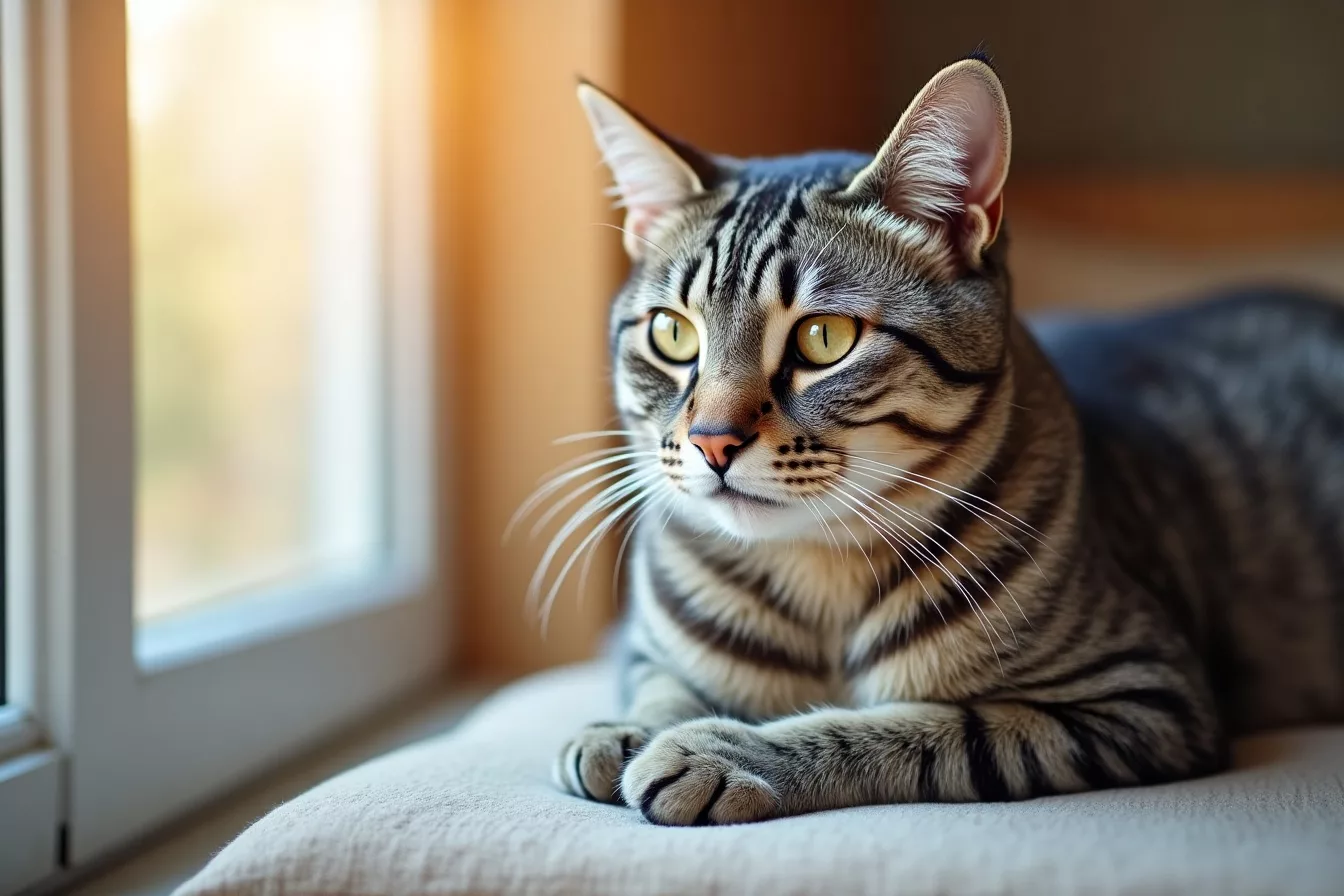

Did you know that one in four cats in the UK is now over the age of 10? A 2025 study by the Royal Veterinary College found that senior cats (aged 10+) experience significant physiological shifts every two years, yet 67% of owners miss early warning signs. In this article you’ll discover exactly what happens to your cat’s body and behaviour at each milestone—and the one change most vets wish owners spotted sooner. Spoiler: it’s often hiding in plain sight.
📊 Key Figures 2026
- 1 in 4 UK cats are now aged 10+: A rise of 8% since 2022, reflecting improved nutrition and healthcare (RSPCA, 2025).
- 67% of owners miss early senior behaviour changes: The Royal Veterinary College study tracked 2,847 cats and found delayed vet visits cost an average of £340 more in emergency treatment.
- Kidney disease affects 30% of cats over 15: Yet only 42% receive early screening (BVA, 2026).
Sources: Royal Veterinary College, RSPCA, British Veterinary Association, 2025–2026
What Changes at 10 Years Old: The Threshold Shift
At 10, your cat enters what vets call the “senior threshold.” This isn’t about age itself—it’s about metabolism. Between 9 and 11, most cats experience a 30–40% drop in resting metabolic rate, meaning they burn fewer calories even if activity levels stay the same.
You might notice your cat sleeping more (up to 16–18 hours daily) and becoming pickier about food. Both are normal. However, a sudden weight gain or loss of more than 500g warrants a vet check, as it often signals thyroid changes or early dental disease.
✅ Expert Tip
Introduce a senior-specific diet at 10, not 12. Foods higher in omega-3 and lower in calories help preserve muscle whilst preventing obesity. Luna, a tabby from Manchester, dropped 1.2kg over six months on a tailored senior formula—her mobility improved dramatically and her owner reported she was “a kitten again.”
Check your cat’s teeth now. Dental disease accelerates in the senior years and directly impacts kidney function. A professional clean at 10 can prevent costly extractions later.
What Changes at 12 Years Old: The Organ Crossroads
By 12, kidney function begins its steady decline. This is the single most common health issue in senior cats—and the one most owners don’t notice until it’s advanced. Early signs are subtle: slightly increased thirst, more frequent urination, and a faint “mousy” smell to urine.
This is precisely when routine blood work becomes non-negotiable. A simple screening costs £40–80 and can catch kidney disease at Stage 1 or 2, when dietary changes make a genuine difference. Waiting until your cat seems “ill” often means Stage 3 or 4, where options are limited.
⚠️ Warning
If your 12+ year old cat suddenly drinks significantly more water or stops eating favourite foods, book a vet appointment within 48 hours. These can signal kidney disease, hyperthyroidism, or diabetes. Do not wait for a routine appointment.
Behaviour also shifts. Some cats become more affectionate (seeking warmth and comfort), whilst others grow irritable due to pain or cognitive changes. Neither is “personality change”—both are medical responses to ageing.
What Changes at 15 Years Old: The Final Phase
At 15, your cat is in the geriatric stage. Roughly 30% of cats this age have chronic kidney disease, and many also develop arthritis, hyperthyroidism, or cognitive dysfunction (feline dementia).
Physically, you’ll notice: loss of muscle mass (especially around the hips and spine), a duller coat, and reduced grooming. Some cats develop stiffness when jumping or climbing stairs. Pain is common but often masked by stoicism—cats won’t limp or cry out the way dogs do.
✅ Expert Tip
Install low-sided litter trays and elevated food/water bowls to reduce strain on ageing joints. George, a 15-year-old Ragdoll from Bristol, struggled with his standard tray until his owner switched to one with a 3-inch side. He immediately used it more consistently, and his owner realised he’d been in pain for months without obvious signs.
Cognitive changes can be heartbreaking. Some 15+ cats become disoriented, calling out at night or forgetting where their litter tray is. Medications like selegiline and environmental enrichment (night lights, consistent routines) help significantly.
The Screening Schedule Every Owner Should Know
At 10: Annual health check + dental assessment. Optional blood work if any weight changes.
At 12: Annual check + mandatory blood panel (SDMA and creatinine for kidney screening). Thyroid screening if showing signs.
At 15+: Twice-yearly checks + annual blood work. Pain assessment and mobility evaluation at every visit.
Your vet knows your cat best, but these benchmarks protect against the most common senior conditions.
Quality of Life, Not Just Length
The goal isn’t to squeeze extra years—it’s to ensure those years are comfortable and joyful. Many owners assume senior cats are simply “slowing down,” but slowing down due to pain is entirely different from slowing down due to contentment.
Regular screening, proactive nutrition, and attentive observation are the three pillars of senior cat care. The Royal Veterinary College study showed that cats with early intervention enjoy significantly better quality of life in their final years, and their owners report less guilt and fewer emergency crises.
Have you noticed any of these changes in your senior cat? The time to act is now—not when things feel urgent. Your 10, 12, or 15-year-old cat depends on it.
Next step: Schedule a senior wellness appointment with your vet this month, even if your cat seems fine. Bring a list of any behaviour or appetite changes you’ve noticed in the past six months.