
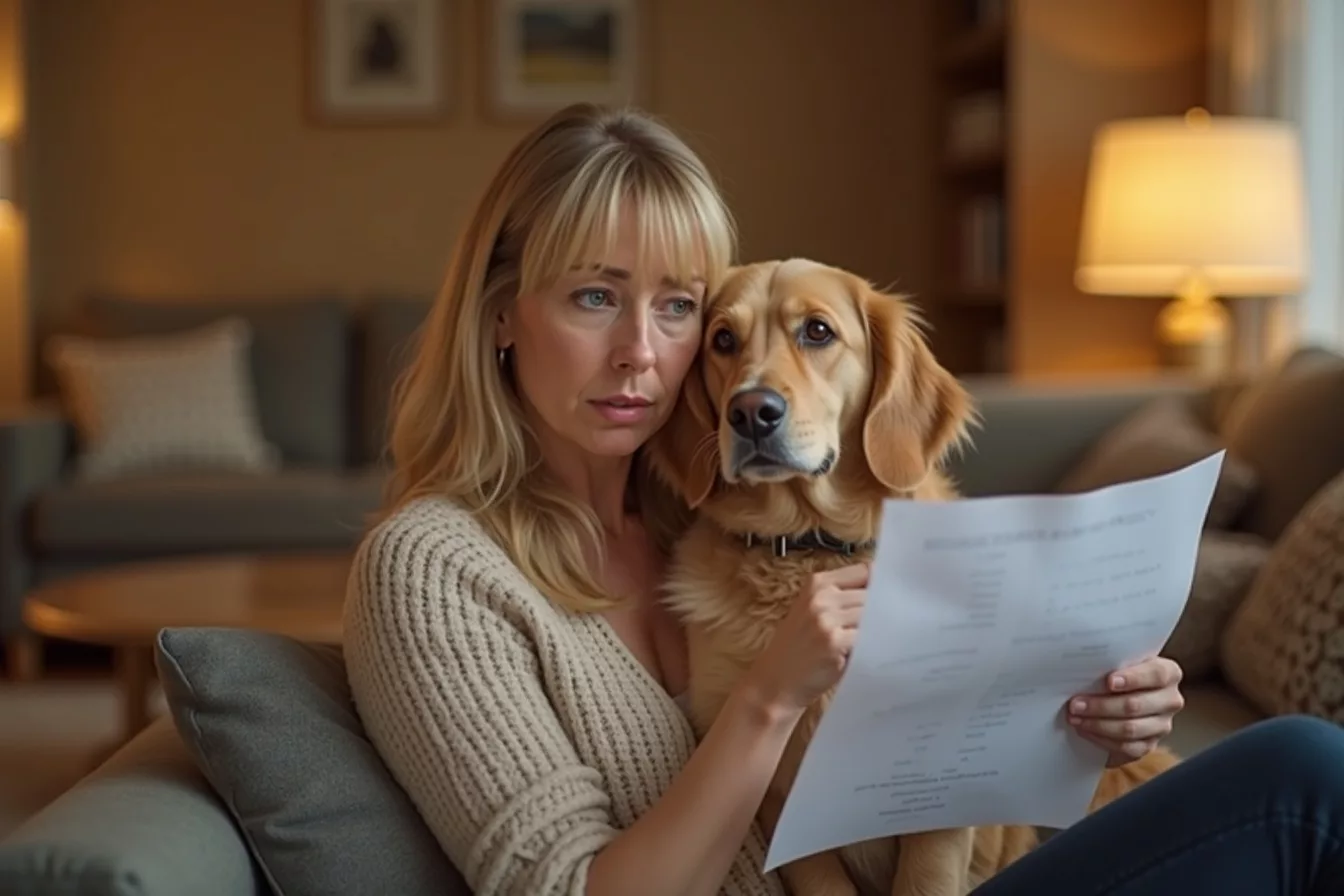

Your pet’s insurance bill just arrived, and you’ve done a double-take. If you’re a UK pet owner, you’re not alone—pet insurance premiums have surged by 18% in 2025, leaving millions scrambling to find affordable cover. A major study by the British Veterinary Association (BVA) released in January 2025 reveals the shocking scale of the crisis. In this article, you’ll discover exactly why costs have exploded, what cover you really need, and the single most effective strategy to slash your premiums without sacrificing protection.
📊 Key Figures 2025
- 18% premium increase: Average pet insurance costs rose from £450 to £531 annually for dogs in 2025, according to the BVA Pet Insurance Report.
- Older pets hit hardest: Pets over 7 years old face premiums 40-60% higher than younger animals, with some policies refusing renewal altogether.
- Vet fee inflation: Emergency vet visits now cost £2,000-£4,500 on average—up 22% from 2023—driving insurer claims through the roof.
Sources: British Veterinary Association, 2025; PDSA Animal Wellbeing Report, 2024.
Why Are Premiums Skyrocketing?
Three interconnected factors are crushing pet owners’ budgets. First, veterinary treatment costs have exploded. Advanced diagnostics like CT scans, specialist referrals, and emergency out-of-hours care now command premium prices—some emergency clinics charge £150 just for a consultation.
Second, insurers are paying out far more in claims. A 2024 survey by the Royal Veterinary College found that claims frequency jumped 31% compared to 2022, largely due to an epidemic of chronic conditions in ageing pet populations. Diabetes, arthritis, and cancer treatments in dogs now cost insurers an average of £3,200 per claim.
Third, the insurance market has consolidated. Fewer providers mean less competition and more room for price hikes. The Financial Conduct Authority flagged this trend in October 2024, noting that the UK’s pet insurance landscape is now dominated by five major underwriters.
The Real Cost of Doing Nothing
Consider Bella, a 6-year-old Golden Retriever from Manchester. Her owner, Sarah, skipped renewing her pet insurance because premiums had reached £620 annually. Six months later, Bella developed hip dysplasia requiring £8,000 in surgical treatment. Without cover, Sarah faced a devastating choice: drain her savings or let her beloved companion suffer. She’s now raising funds through friends and family—a tragedy that pet insurance exists to prevent.
✅ Expert Tip: Switch During Renewal
Don’t renew automatically with your current provider. Thirty days before renewal, get fresh quotes from at least three competitors—loyalty doesn’t pay in pet insurance. Many insurers offer £50-£100 welcome discounts for new customers. Moving from a mainstream insurer like Argos Pet Insurance to a niche provider like Trupanion or Bought By Many can save £150-£300 annually for the same level of cover, especially if you’re willing to increase your excess from £100 to £250.
What Type of Cover Do You Actually Need?
Pet insurance comes in three flavours: accident-only (cheapest, covers injuries not illness), time-limited (covers illness but only for 12 months per condition), and lifetime (most comprehensive, covers chronic conditions indefinitely). For most pet owners, time-limited is false economy—once your cat is diagnosed with diabetes, it’s a pre-existing condition and won’t be covered if you switch policies.
The RSPCA recommends lifetime cover for any pet under 5 years old. Yes, it’s pricier now, but locking in a younger pet’s premium prevents catastrophic hikes later. A healthy 2-year-old Labrador might cost £35/month for lifetime cover; wait until age 7, and you’ll pay £80-£120/month.
⚠️ Warning: Pre-Existing Conditions
Never switch pet insurance without declaring pre-existing conditions. If your vet notes even a single visit for itching or limping, most insurers will exclude that condition from new policies. Always request a full veterinary history from your previous insurer before applying elsewhere.
Five Strategies to Cut Your Premium
1. Increase your excess. Jumping from a £100 to £500 excess can reduce premiums by 25-35%. This works only if you’ve got emergency savings—set aside £500-£1,000 specifically for vet bills.
2. Insure younger. A 12-week-old puppy costs roughly 60% less to insure than a 5-year-old dog on the same plan. This is the single most effective long-term strategy.
3. Use breed-specific insurers. If you own a pedigree with known health issues—e.g., a Bulldog prone to breathing problems—breed-specific providers like Bought By Many sometimes offer better rates because they’ve already priced in the risk.
4. Bundle policies. Many insurers offer 10-15% discounts if you combine pet insurance with home or travel cover.
5. Check eligibility for schemes. Some charities, including the PDSA and Blue Cross, offer subsidised insurance for low-income pet owners. Don’t assume you don’t qualify—check.
The Real Question: Is Insurance Worth It?
A single emergency vet visit—urinary blockage in cats, gastric dilatation-volvulus in dogs—costs £2,500-£5,000 and can happen overnight. One claim typically covers your annual premiums five times over. Yet 27% of UK pet owners have no insurance at all, according to the PDSA’s 2024 survey. Most cite cost; many live to regret it.
Pet insurance isn’t a luxury—it’s financial protection against catastrophic vet bills. The 18% rise in 2025 is painful, but the alternative—risking your pet’s life or your family’s savings—is far worse.
Have you noticed your own pet insurance premiums climbing? Now’s the moment to act. Get three fresh quotes today, compare lifetime vs. time-limited cover, and lock in a policy before another round of price hikes hits. Your future self—and your pet—will thank you.