
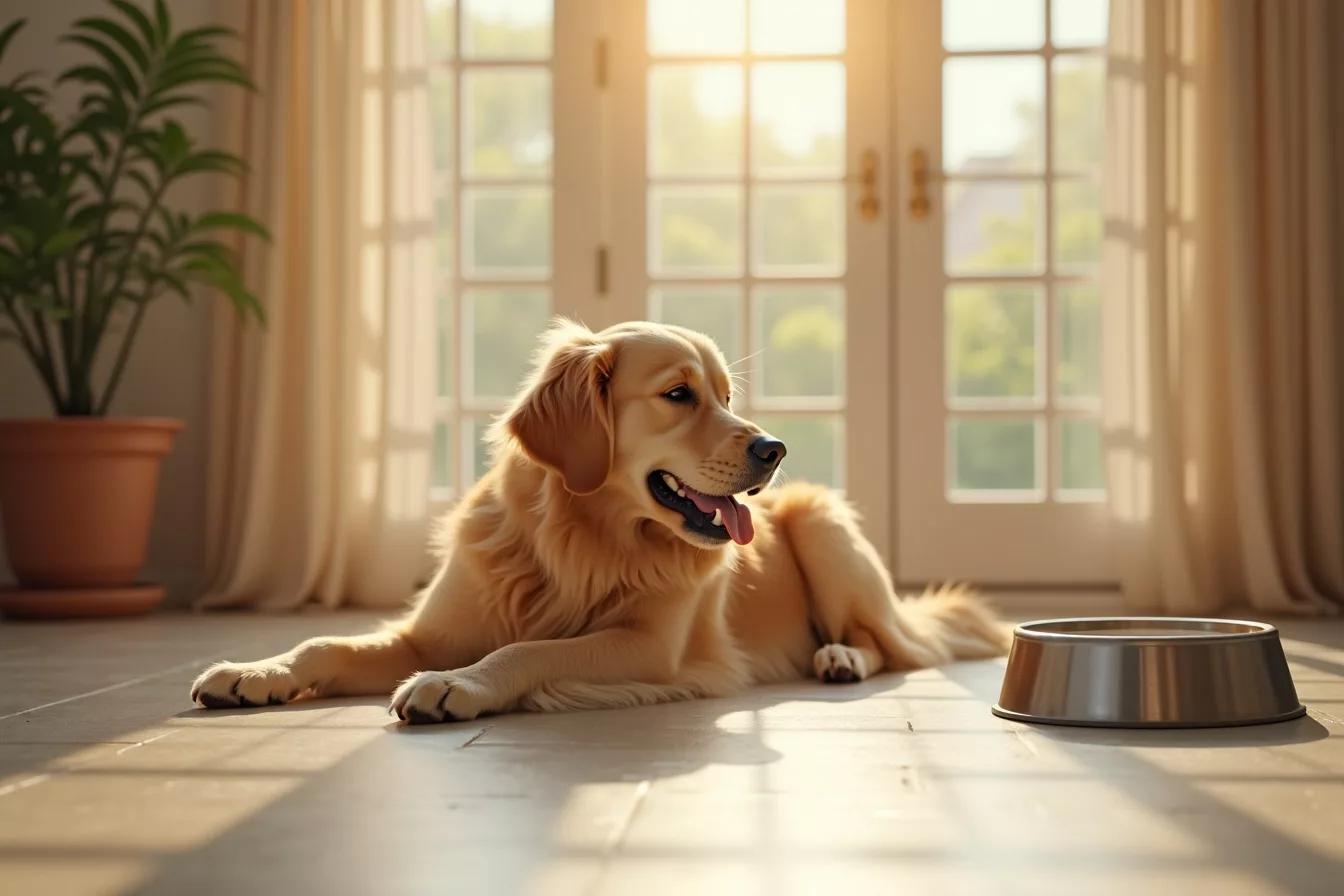

Did you know that 1 in 3 UK pet owners admitted their animals suffered heat-related stress last summer? A 2025 study by the Royal Veterinary College found that emergency vet visits for heat exhaustion in pets surged 42% during June-August, with dogs and rabbits most at risk. In this article you’ll discover exactly what to do if temperatures soar, including the single most important thing vets say owners miss—and it could save your pet’s life.
📊 Key Figures 2026
- 42% rise in emergency heat-related visits: Royal Veterinary College data (2025) shows dramatic spike during UK summer months.
- 73% of dogs over 7 years old: More vulnerable to heatstroke, according to the British Veterinary Association (2025).
- Rabbits and guinea pigs: Often overlooked—outdoor small pets face deadly risk above 25°C, RSPCA warns.
Sources: Royal Veterinary College, British Veterinary Association, RSPCA, 2025–2026
Hydration Is Non-Negotiable
Fresh water must be available at all times, but here’s what most owners get wrong: a single water bowl placed in direct sunlight heats up and becomes less appealing to your pet. Provide multiple bowls in shaded spots around your home and garden—at least one on every floor.
Some pets also respond better to cool water left in the fridge for 10 minutes before serving. Consider adding ice cubes to larger bowls for dogs and cats; many enjoy them as a plaything and natural cooler.
✅ Expert Tip
Freeze a Kong toy filled with wet food or broth, then offer it to your dog on hot days. This combines hydration with mental enrichment and keeps them occupied whilst cooling down naturally.
Never Leave a Pet in a Parked Car
This is the most critical rule. A car can reach lethal temperatures in under 15 minutes on a warm day, even with windows cracked open. Tragically, Bella, a three-year-old Labrador from Bristol, suffered permanent organ damage after being left in a car for just 20 minutes during a 28°C day in summer 2024.
Leave your pet at home in a cool room with access to water and shade. If you must travel, ensure air conditioning is on, and never leave them unattended.
Create a Cool Refuge Indoors
Close curtains and blinds during the day, especially on south-facing windows. A dark room stays significantly cooler and creates a safe space for your pet to retreat. Tiles and stone flooring are cooler than carpet—consider using damp towels on hard floors where your pet can rest their belly.
Some owners invest in pet cooling mats (available from Pets at Home or Amazon UK); these gel-filled pads don’t require electricity and offer comfort for hours. Older pets and brachycephalic breeds like Bulldogs and Pugs particularly benefit.
⚠️ Warning
Signs of heatstroke include excessive panting, drooling, lethargy, vomiting, and collapse. If you notice any of these, move your pet to a cool place immediately, offer water, and call your vet within 15 minutes. Heatstroke can be fatal.
Exercise During Cooler Hours Only
Walk your dog in early morning (before 9 a.m.) or evening (after 7 p.m.) when pavements are cool enough to test with your hand—if you can’t hold your palm on it comfortably for five seconds, it’s too hot for paws. Burnt paw pads are common in summer and take weeks to heal.
Reduce exercise intensity and duration during heatwaves. Swimming or paddling in shallow water (not chlorinated pools) offers excellent cooling relief for most dogs and is far safer than running on hot ground.
Small Pets Need Special Attention
Rabbits, guinea pigs, and chinchillas cannot sweat and overheat rapidly. Move outdoor hutches to shade, provide extra fresh greens (which contain moisture), and ensure robust ventilation. Ceramic tile inside the hutch offers a cool surface.
For indoor small pets, position cages away from radiators and direct sunlight. A damp flannel placed outside the cage (not inside, to prevent dampness) can help lower ambient temperature around them.
Grooming and Coat Management
Never shave a dog’s coat entirely, as fur protects against both heat and UV damage. However, a professional “summer cut” that thins (rather than removes) the undercoat can help airflow without compromising protection. Long-haired cats benefit from gentle brushing to remove matted fur that traps heat.
Cats naturally groom less during extreme heat—this is normal behaviour. Ensure they have access to a litter tray in a cool area, as stress from heat can cause elimination issues.
✅ Expert Tip
Freeze a damp washcloth and place it near your cat’s favourite resting spot. Many cats will lie directly on it for natural cooling without needing water bowls or baths.
UK heatwaves are becoming more frequent and intense—the Met Office has confirmed that summer 2025 is predicted to see temperatures comparable to 2022’s record highs. The difference between a thriving pet and a medical emergency often comes down to small, deliberate actions taken in advance.
Start preparing today: check your home for shade spots, stock ice and cooling mats, and mark your calendar with early-morning walk times. Have you noticed your pet showing discomfort during warm weather before—and what did you change?