
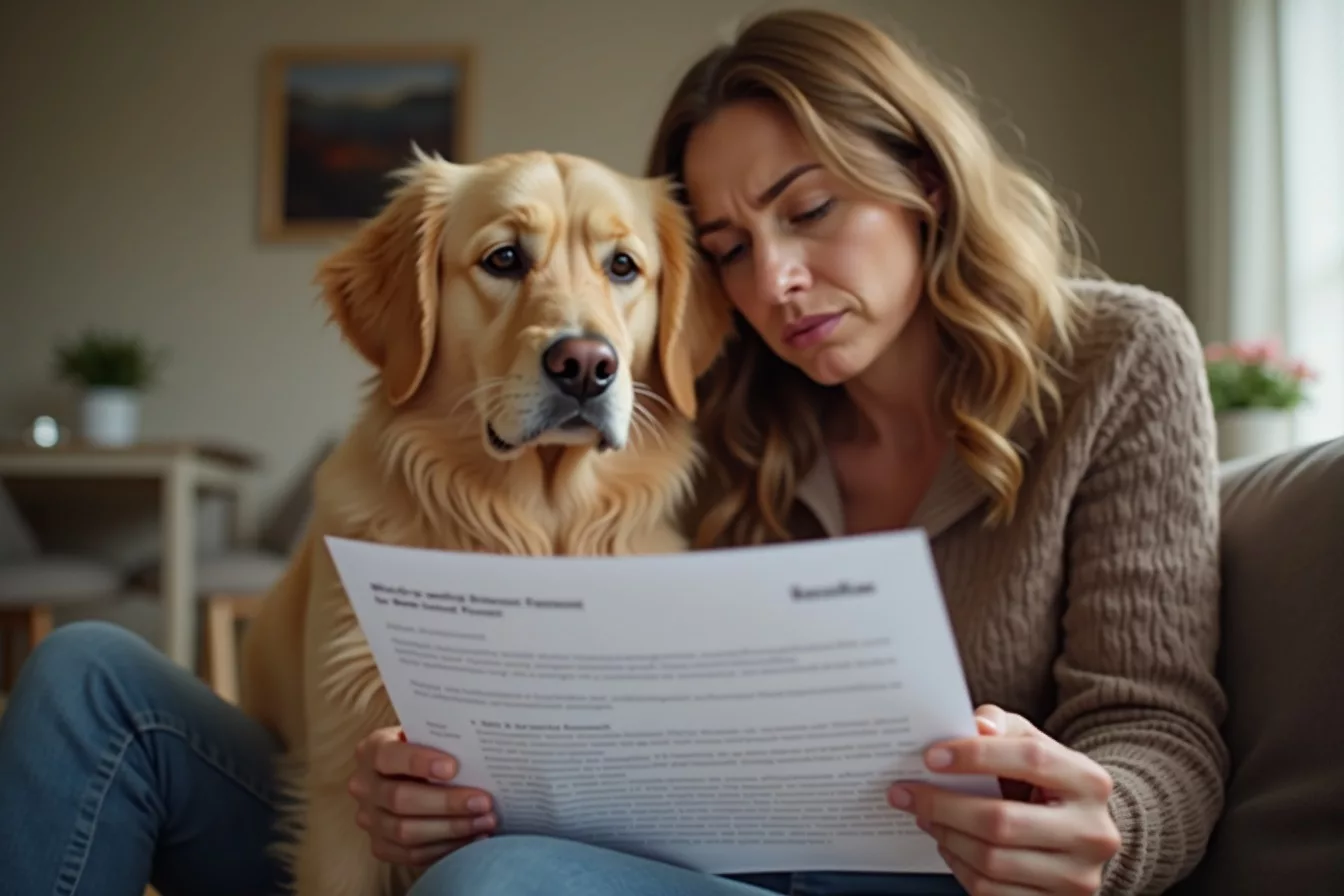

Your pet’s insurance renewal letter just arrived, and the bill is almost a fifth higher than last year. You’re not alone—and the figures are shocking. A 2025 study by the British Veterinary Association (BVA) reveals pet insurance premiums across the UK have jumped an average of 18% year-on-year, with some breeds facing increases of up to 35%. In this article you’ll discover why costs are spiralling, which pets are hit hardest, and the seven-step strategy savvy owners are using to protect their pets without breaking the bank. By the end, you’ll know exactly which moves to make before your next renewal.
📊 Key Figures 2025
- 18% average premium increase: BVA Pet Wellbeing Report 2025 found the steepest rise in five years, driven by veterinary inflation and claims payouts.
- 35% spike for high-risk breeds: Bulldogs, French Bulldogs, and Dachshunds now face the highest premiums due to breed-specific health issues.
- £2,400+ annual cost: Average comprehensive coverage for a 5-year-old dog now exceeds £2,400 in London and the South East.
Sources: British Veterinary Association, 2025; Association of British Insurers (ABI).
Why Are Pet Insurance Costs Climbing?
Three factors are squeezing pet insurance budgets across Britain. First, veterinary fees themselves have risen sharply—the cost of diagnostic imaging, surgical procedures, and specialist referrals has climbed roughly 12% since 2023, according to the Royal Veterinary College (RVC).
Second, pet owners are filing more claims. The pandemic saw pet ownership surge by 3.2 million households in the UK, and older pets are now reaching the age where health claims spike. Third, inflation has pushed up the cost of insurance administration, staff wages, and reinsurance premiums that underwriters themselves must pay.
What’s making headlines is the age factor. Pets over 7 years old now see renewal increases of up to 50%, whilst younger animals under 3 have seen only modest 5–8% rises.
Which Pets Are Hit Hardest?
Breed matters enormously. The BVA’s data shows that brachycephalic breeds—dogs with flat faces, such as Bulldogs and French Bulldogs—have become prohibitively expensive to insure. These breeds are genetically predisposed to respiratory disease, hip dysplasia, and spinal issues, which means higher claims.
Cats, traditionally cheaper to insure, have also seen double-digit increases because urinary tract disease and dental disease are far more common than previously thought, driving up the actuarial risk.
✅ Expert Tip: The Multi-Pet Discount
If you own two or more pets, don’t renew each policy separately. Call three insurers and specifically ask for multi-pet bundle discounts—these can slash 15–20% off your total premiums. Petplan and Bought by Many both offer significant discounts for households with 2+ animals. Compare the bundled cost, not individual policies.
The Strategy: Seven Steps to Protect Your Wallet
1. Switch providers before renewal. Loyalty is penalised in pet insurance. New customers often receive 10–15% discounts that existing policyholders don’t. Get quotes 4–6 weeks before your renewal date.
2. Increase your excess. Raising your excess from £100 to £250 per claim can reduce your annual premium by 20–30%. This works only if you can afford the larger excess; consider it only if you have an emergency pet fund.
3. Opt for time-limited rather than lifetime cover, if your pet is young. Time-limited policies (covering conditions for 12 months from first diagnosis) are substantially cheaper. Lifetime policies are costlier upfront but essential if your pet has chronic conditions.
4. Exclude non-essential add-ons. Routine care, dental cleaning, and behavioural support add £20–40 per month. If your vet practice offers wellness plans directly, you’ll often save money paying them directly rather than through insurance.
5. Microchip and train your pet. Some insurers reward owners whose pets are microchipped and have completed basic obedience training with 5–8% discounts.
6. Consider breed-specific schemes. If you own a high-risk breed, specialist insurers (such as those underwriting Kennel Club policies) sometimes offer keener rates than mainstream providers.
7. Review annually, not just at renewal. Life changes—you might downsize, change jobs, or move house. Some life events trigger better rates. Ask your insurer directly.
Real-World Case: How One Owner Saved £840
Lucy, a 6-year-old Border Collie from Bristol, was facing a renewal premium of £1,680 in January 2025. Her owner, Sarah, decided to switch. By applying strategies 1, 2, and 4 above—switching to a competitor, raising the excess to £250, and removing routine dental care—Sarah secured a new policy for £840 with the same cover level. “I was shocked I’d been overpaying so much,” she says. “The new insurer didn’t even ask why I was switching.”
⚠️ Warning: Don’t Go Uninsured
If you cancel insurance and your pet develops a pre-existing condition, no insurer will cover it later. If costs feel unmanageable, contact your vet about payment plans or contact PDSA (free vet care for struggling pet owners) rather than dropping cover entirely.
The Outlook for 2026
The Association of British Insurers (ABI) predicts a further 8–12% increase in 2026, driven by persistent veterinary inflation. The time to act is now—locking in a competitive rate before your next renewal is far smarter than waiting.
Have you noticed the creep in your pet insurance bills, or are you considering switching for the first time? The best move is to get quotes today and compare across at least five providers. Your pet’s health matters most, but so does your peace of mind.