
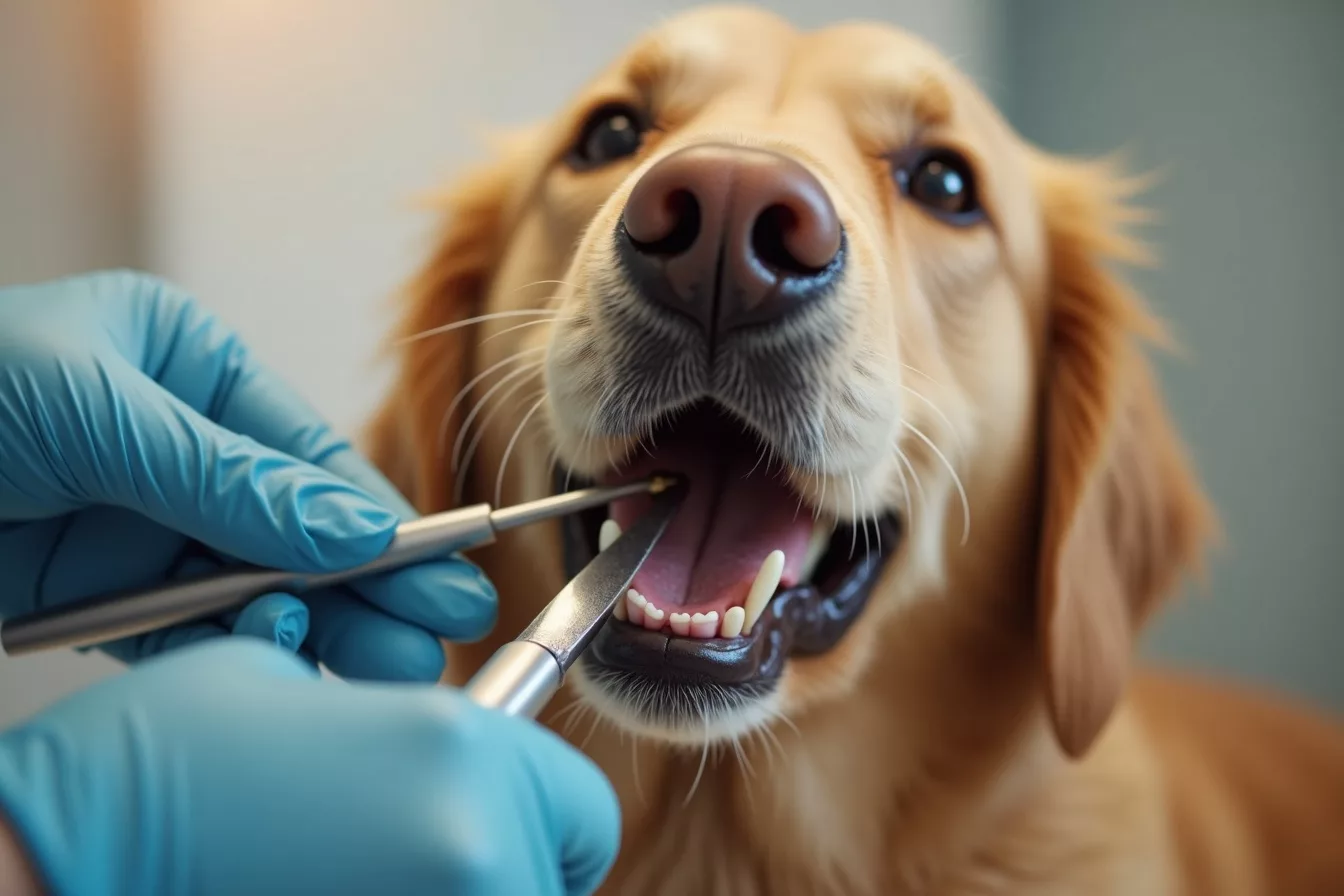

Did you know that 80% of dogs over the age of three have some form of dental disease? According to a 2025 study published by the University of Pennsylvania’s School of Veterinary Medicine, oral health is one of the most overlooked aspects of pet care, yet it directly impacts your dog’s lifespan and quality of life. In this article you’ll discover what veterinarians actually see during those routine dental checks, the early warning signs you’re missing at home, and the one simple habit that could save your dog from painful extractions. By the end, you’ll understand why your vet keeps banging on about teeth brushing—and finally have the tools to do something about it.
📊 Key Figures 2026
- 80% of dogs over three years old show signs of dental disease, yet only 1 in 10 owners brush their dog’s teeth regularly (British Veterinary Association, 2025)
- Untreated gum disease can reduce a dog’s lifespan by up to 3 years and costs owners an average of £1,200–£3,500 in emergency extractions (PDSA Dental Report, 2025)
- Bad breath is never normal: 67% of owners mistake it for a personality quirk rather than a red flag for infection (University of Pennsylvania, 2025)
Sources: British Veterinary Association, PDSA, University of Pennsylvania School of Veterinary Medicine, 2025
Why Vets Are Genuinely Worried About Your Dog’s Teeth
Every single day, veterinary surgeons pull teeth from dogs whose owners had no idea there was a problem. The reason? Dental disease in dogs is silent. Unlike humans, your dog won’t complain about a toothache until it’s catastrophic—by then, the infection has often spread to the heart, kidneys, or liver.
What vets see during a routine dental exam is shocking: tartar buildup the colour of rust, bleeding gums that bleed at the slightest touch, and pockets of infection hidden beneath the gum line where no toothbrush can reach. Max, a 6-year-old Golden Retriever from Bristol, came in for what his owner thought was just a cleaning. The vet found four abscessed teeth and had to extract three. His owner had never noticed anything wrong.
✅ Expert Tip
Brush your dog’s teeth at least 3–4 times per week (daily is ideal). Use a dog-specific toothpaste—never human toothpaste, which contains fluoride that’s toxic to dogs. A soft-bristled toothbrush or finger brush takes just 60 seconds. Start slowly with puppies; most adult dogs accept it within two weeks of consistent, gentle practice.
The Hidden Signs Your Vet Wants You to Know
Bad breath tops the list—but it’s not the only clue. Your dog might have dental disease if they’re suddenly chewing on only one side of their mouth, dropping food, excessive drooling, or avoiding hard toys they used to love. Some dogs become withdrawn or irritable because they’re in pain.
Behavioural changes are often the first sign owners notice, but they assume it’s age or mood. In reality, a tooth abscess or gum infection can cause the same discomfort you’d feel with a severe cavity. Watch for pawing at the mouth, reluctance to eat, or a swollen jaw—these are vet-visit-today signals, not wait-and-see situations.
⚠️ Warning
If your dog has swollen gums, bleeds when eating, or shows facial swelling, book a vet appointment within 48 hours. Untreated dental infections can lead to septicaemia or heart valve disease. Do not delay; these conditions are life-threatening and require professional dental cleaning under anaesthetic, which only a vet can safely perform.
Why Dental Cleaning Under Anaesthetic Isn’t Optional
You’ve probably seen ads for “anesthetic-free” dog dental cleanings. Vets hate these. They’re ineffective and potentially dangerous. Without anaesthesia, your vet can only clean the crown (the visible part of the tooth). The real disease happens beneath the gum line, where a toothbrush—or a hand scaler without sedation—cannot go.
Modern anaesthetics are incredibly safe. Your vet will run blood work beforehand, monitor your dog throughout, and keep them on pain relief afterwards. The Royal Veterinary College emphasises that a proper professional cleaning can add years to your dog’s life and prevent costly extractions later.
The Budget-Friendly Prevention Plan
Prevention costs pence; treatment costs pounds. A £40 toothbrush and dog toothpaste will cost you under £100 per year. A professional cleaning runs £300–£800, depending on severity. Emergency extractions and infection treatment? £2,000+.
Dental treats and water additives have limited science behind them, but they’re not harmful—they can be a helpful supplement. However, they are no substitute for brushing. Chewing raw carrots or raw meaty bones (under supervision) can help, but again, this doesn’t replace professional care.
When to Schedule a Professional Clean
Vets recommend a baseline professional dental exam around age 1–2 to establish your dog’s individual risk. After that, most healthy dogs need a clean every 1–3 years, depending on genetics and home care. Small breeds and certain breeds (like Cavalier King Charles Spaniels) are predisposed to early gum disease and may need annual cleanings.
If your dog already shows signs—bad breath, visible tartar, or behavioural changes—don’t wait for an annual check. Book with your vet this month. Early intervention prevents tooth loss and systemic infection.
💡 The Bottom Line
Dental disease in dogs is preventable, treatable, and—if caught early—affordable. The fact that 80% of older dogs have it doesn’t mean your dog has to join that statistic. Three minutes a day of tooth brushing and one professional clean every couple of years can add years of healthy, pain-free life. Have you noticed your dog’s breath changing lately, or are they avoiding their favourite chew? That’s your signal to act now, not wait.