
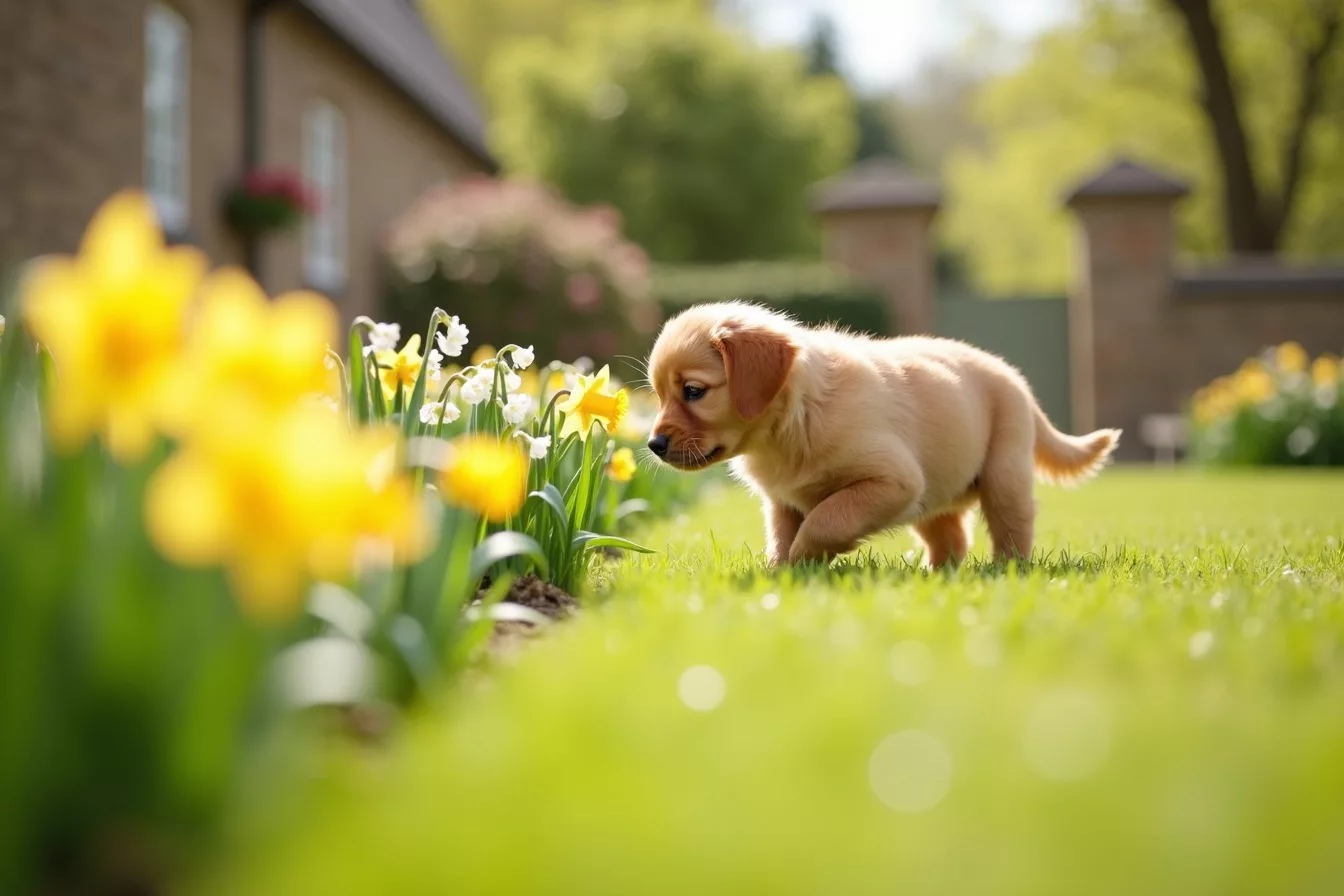

Did you know that over 1 in 4 UK pet owners have never checked their gardens for toxic plants? A 2025 study by the British Veterinary Association found that plant poisoning accounts for 18% of all emergency vet visits in spring and summer months. In this article you’ll discover which common UK garden plants pose the biggest risk to your dogs and cats—and the one deadly plant hiding in most British gardens that vets wish owners knew about sooner.
📊 Key Figures 2026
- 1 in 4 UK pet owners have not assessed their gardens for toxic plants (BVA Pet Ownership Survey, 2025)
- 18% of spring/summer emergency calls to UK vets involve accidental plant poisoning (British Veterinary Association, 2025)
- 73% of cases involve dogs under 5 years old, who are naturally curious (PDSA Animal Wellbeing Report, 2026)
Sources: British Veterinary Association, PDSA, 2025–2026
The Hidden Killers in Your Garden
You water your plants, prune your hedges, and assume your garden is safe. But some of the most beautiful UK garden plants are genuinely toxic to cats and dogs. The problem? Many owners don’t realise until it’s too late.
Lily of the valley is perhaps the most dangerous. This delicate spring flower is deadly to both cats and dogs; even a few leaves or petals can cause severe vomiting, diarrhoea, and heart problems. Worse, it’s common in British cottage gardens and blooms when pets are most active outdoors.
⚠️ Warning
If your pet ingests lily of the valley, foxglove, yew, or laburnum, contact your vet immediately. Do not wait for symptoms to appear. Even small amounts can cause cardiac arrest within hours. Keep the plant sample or photo to show your vet.
The Spring Bloomers You Must Remove
Daffodils and crocuses are iconic spring flowers—and toxic. The bulbs are especially dangerous because curious dogs often dig them up. Symptoms include drooling, vomiting, and abdominal pain within hours of ingestion.
Tulips are similarly risky, particularly the bulbs. Lucy, a Labrador from Yorkshire, was admitted to an emergency clinic in March 2024 after eating tulip bulbs from her owner’s garden bed. She recovered, but only after two days of intensive care and intravenous fluids.
✅ Expert Tip
Replace dangerous spring bulbs with pet-safe alternatives. Try snowdrops, which are safe, or plant tulips in raised beds with secure netting to prevent digging. Label all garden beds so family and guests know what is and isn’t safe.
The Everyday Killers: Shrubs and Hedges
Yew trees and bushes are commonly found in British churchyards and formal gardens. Every part is poisonous—bark, needles, and seeds. A single mouthful can be fatal to a medium-sized dog.
Foxglove is another stunner that’s deadly. Its tall spires of pink or purple flowers look harmless, but they contain cardiac glycosides that disrupt heart rhythm. Laburnum (golden chain tree) is equally dangerous; its bright yellow pods are tempting to children and pets alike.
Holly, whilst festive and traditional, can cause gastroenteritis. The berries are particularly attractive to curious pets. Ivy, often grown as ground cover or on walls, is toxic in large quantities and causes skin irritation and digestive upset.
The Sneaky Outdoor Plants You Might Overlook
Sago palm is increasingly popular in UK gardens as an ornamental. It’s extremely toxic and can cause liver failure. Rhododendrons and azaleas, beloved by British gardeners, contain grayanotoxins that cause vomiting, diarrhoea, and neurological problems.
Clematis, rhubarb leaves (the stalks are fine), and hydrangeas also pose risks. Many owners grow these without realising their pets are at risk, particularly when young plants or fallen leaves are accessible.
✅ Expert Tip
Keep a photo folder on your phone of every plant in your garden. Research each one using the RSPCA or PDSA toxic plant lists. If unsure about a plant, assume it’s unsafe until verified. Share this list with dog walkers, sitters, and visitors.
Safe Garden Alternatives
Pet-safe plants include roses (thorns aside), sunflowers, snapdragons, zinnias, and marigolds. Most herbs are safe too: basil, parsley, and cat grass are actually beneficial. Shrubs like hawthorn and forsythia are non-toxic.
Fencing off toxic plants isn’t always practical. Consider removing them entirely and replacing them with pet-friendly options. Your garden can be beautiful and safe.
Prevention and Quick Action
Supervise garden time, especially for puppies and kittens. Train your dog with the ‘leave it’ command. Remove fallen leaves and fruit regularly. Install secure fencing around any plants you choose to keep.
If poisoning is suspected, don’t delay. Contact your vet or the Animal Poison Centre immediately. Have the plant name or photo ready. Time is critical—many toxins act within hours.
📊 Key Takeaway
- Lily of the valley, yew, foxglove, and laburnum are the most dangerous UK garden plants
- 18% of spring/summer vet emergencies involve plant poisoning
- Act fast if ingestion is suspected—cardiac plants can kill within hours
Source: British Veterinary Association, 2025
Final Thought
A beautiful garden doesn’t have to put your pet at risk. The most shocking part? Many owners spend thousands on pet insurance but don’t invest 30 minutes in identifying toxic plants. Have you walked your garden with a plant identification app yet? Start today—it could save your pet’s life.