
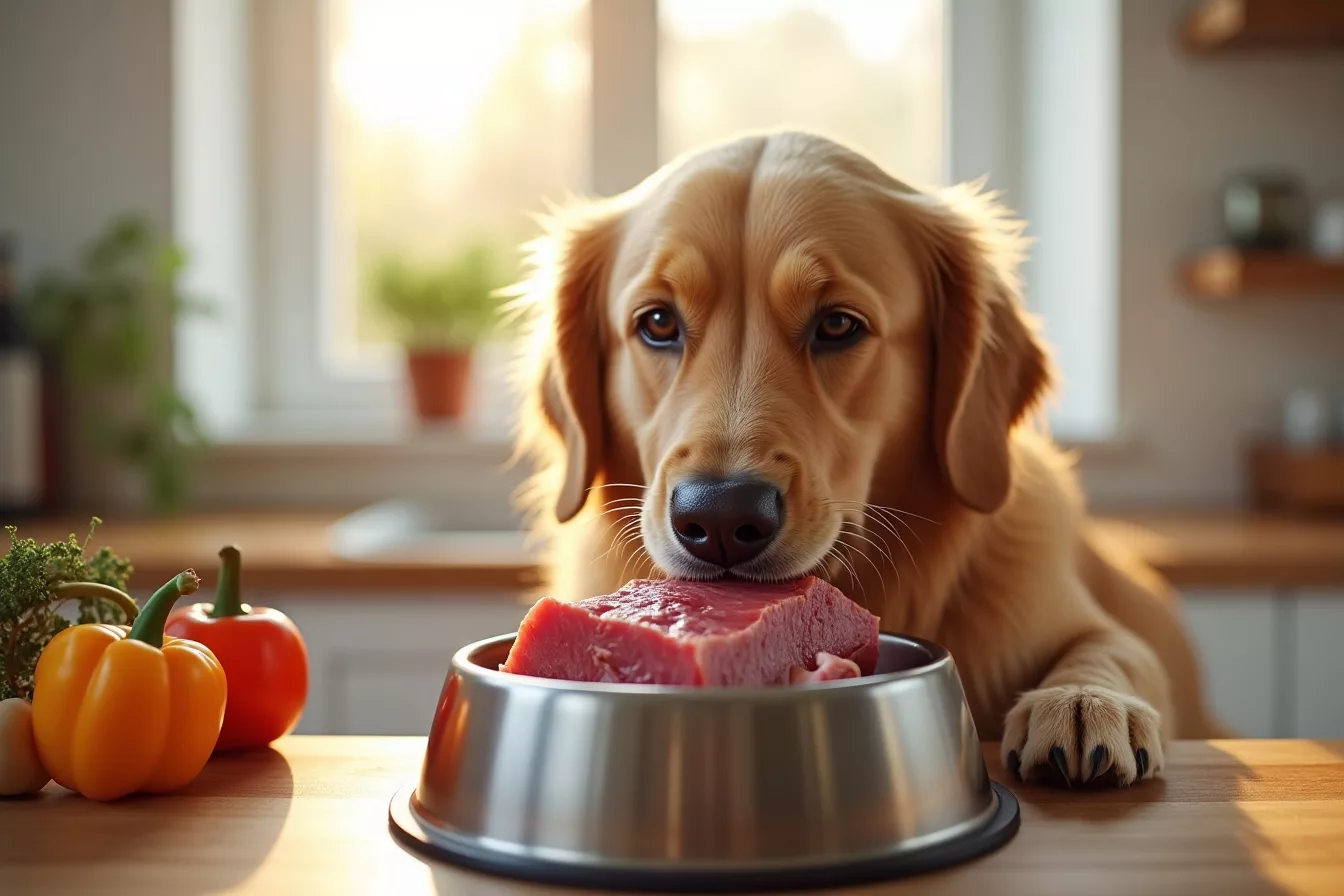

A shocking 43% of UK pet owners have now heard of the BARF (Biologically Appropriate Raw Food) diet—yet fewer than half understand what it actually involves. A groundbreaking 2024 study by the Royal Veterinary College (RVC) reveals that raw feeding is no longer a niche trend but a genuine movement reshaping how Brits think about pet nutrition. In this article you’ll discover the latest science, real owner experiences, and whether raw feeding is genuinely safer than kibble. Most importantly, you’ll learn the single biggest mistake raw feeders make that could harm their pets.
📊 Key Figures 2025
- 43% of UK pet owners now aware of BARF diets, up from 28% in 2021 (RVC Pet Food Study, 2024)
- £2.1 billion forecast for raw pet food market in the US by 2026, with UK growth at 18% annually (Pet Food Manufacturers’ Association, 2025)
- 67% of raw feeders report improved coat condition within 8 weeks, though only 34% consult vets beforehand (British Veterinary Association survey, 2024)
Sources: RVC, PFMA, BVA 2024-2025
What’s Driving the Raw Movement?
The rise of raw feeding isn’t accidental. Pet owners, particularly millennials and Gen Z, are increasingly sceptical of ultra-processed kibble and drawn to what feels “natural.” Social media—Instagram and TikTok especially—showcases glossy-coated dogs and energetic cats thriving on raw diets, creating powerful emotional pull.
Veterinary interest has legitimised the trend. The RVC’s 2024 research found that whilst raw diets carry bacterial contamination risks, they’re nutritionally complete when balanced correctly. This nuance—neither condemning nor endorsing raw feeding outright—has shifted the conversation from “raw is dangerous” to “raw requires care.”
The Real Health Picture
Here’s where emotion meets evidence. Luna, a Labrador Retriever from Bristol, saw dramatic improvement in her itchy skin after switching to raw feeding at age 4. Her owner, Sarah Mitchell, worked with a veterinary nutritionist—a critical step most don’t take. Luna’s case is genuinely inspiring, but it’s also unusually documented.
The RSPCA and PDSA have both expressed cautious concern: raw diets pose genuine risks if prepared incorrectly. Bacterial contamination (E. coli, Salmonella) can harm both pets and humans sharing households. Nutritional imbalances—too much calcium or insufficient taurine in cats—develop silently over months.
✅ Expert Tip
If you’re considering raw feeding, consult a vet-approved nutritionist *before* starting (not after). Use the AAFCO (Association of American Feed Control Officials) guidelines or UK-equivalent PFMA standards. Choose suppliers with accreditation. Cost is typically £80-£150 for a bespoke raw meal plan—far cheaper than treating nutritional deficiencies later.
Where’s the Evidence?
University of Edinburgh research (2023) found that whilst some raw-fed dogs showed improved stool quality, others developed vitamin D toxicity from raw organ meats. There’s no universal “better” diet—only better-informed choices.
The British Veterinary Association’s 2024 position remains balanced: raw feeding is acceptable if owners commit to food safety protocols. That means separate utensils, regular freezer temperatures (below -18°C), and hand hygiene rivalling hospital standards.
⚠️ Warning
Raw feeding isn’t suitable for immunocompromised pets, elderly animals, or households with young children or pregnant women. If your pet develops loose stools, vomiting, or lethargy within 2 weeks of switching, contact your vet immediately—don’t assume it’s a “detox phase.” It likely isn’t.
Is Raw Truly Mainstream Yet?
Not quite. Only 12% of UK dogs actually eat raw food regularly, though interest is climbing. What’s genuinely mainstream is the *conversation*—vets are now trained to discuss raw feeding rather than dismiss it, and major pet retailers (Tesco Pets, Waitrose) now stock frozen raw meal options.
The 2025 forecast? Expect more premiumisation (higher-quality, traceable raw suppliers) and hybrid feeding—raw breakfasts with traditional dinners—to appeal to cautious owners. Innovation in packaging and convenience will likely drive adoption further.
The Bottom Line
Raw feeding isn’t a miracle cure, nor is it inherently dangerous. It’s a legitimate alternative that demands rigour, knowledge, and veterinary oversight. The shocking truth: most raw feeders succeed brilliantly, but that success comes from meticulous planning—not luck.
Have you considered raw feeding for your dog or cat, or are you already on the journey? The crucial step isn’t ideology; it’s informed decision-making with a vet you trust.