
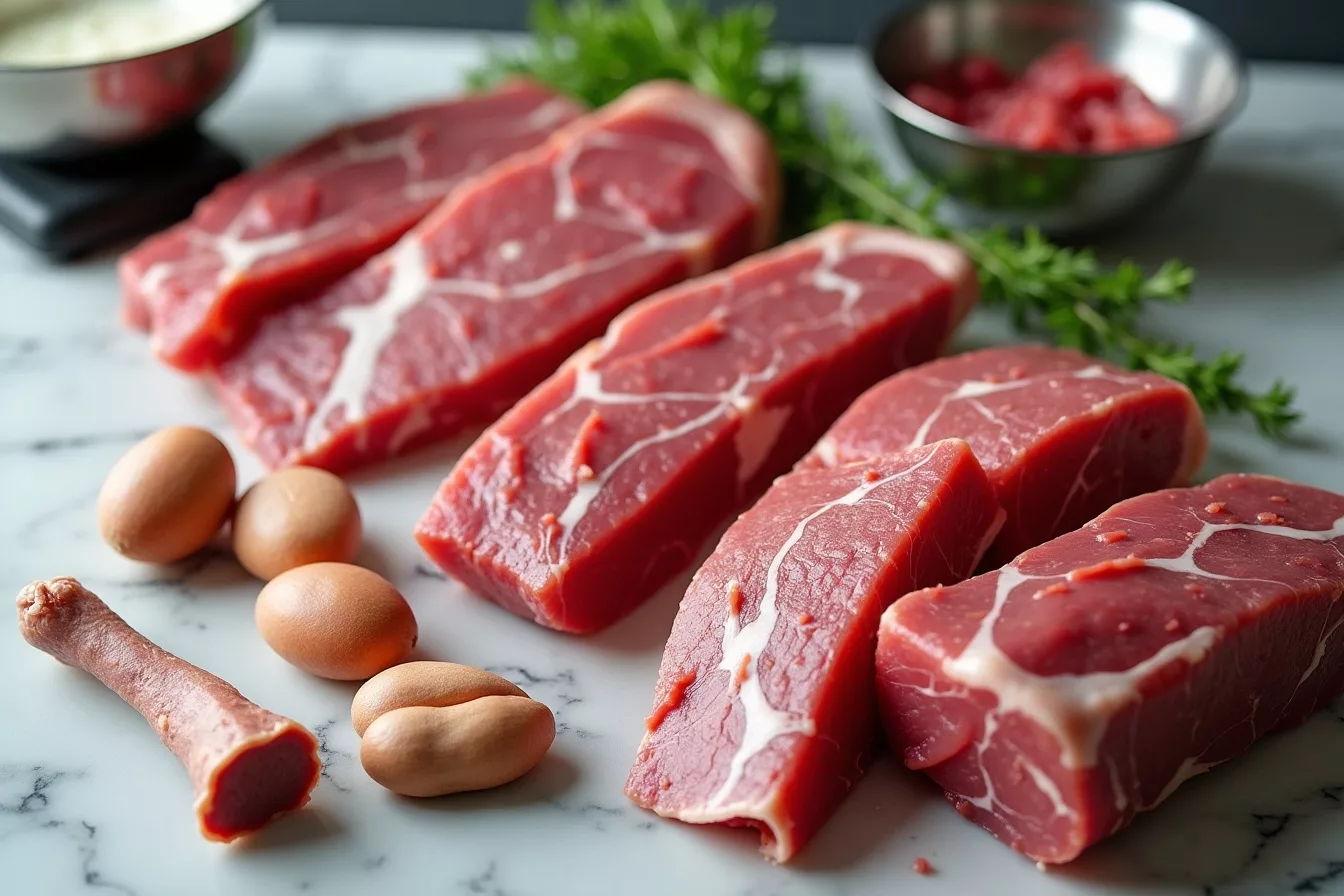

Raw pet food sales in the UK have surged by 47% since 2022, yet one critical question divides pet owners and vets alike: is the BARF (Biologically Appropriate Raw Food) diet genuinely healthier, or a risky trend? According to a 2024 study by the Royal Veterinary College, nearly one in three UK dog owners are now considering raw diets for their pets—but fewer than half understand the bacterial contamination risks. In this article you’ll discover what vets actually recommend, the surprising evidence behind raw feeding, and the one critical safety rule that could protect your pet from serious illness.
📊 Key Figures 2025
- 47% growth in raw pet food market: UK raw food pet sector has expanded dramatically since 2022, with specialist retailers now stocking dedicated BARF products (Pet Food Manufacturers’ Association, 2024)
- 31% of UK dog owners: Now considering or actively feeding raw diets to their dogs, up from 18% in 2021 (Royal Veterinary College research, 2024)
- 62% of raw-feeding owners: Unaware of E. coli and Salmonella risks in unprocessed meat (British Veterinary Association survey, 2025)
Sources: RVC, BVA, PFMA 2024-2025
The raw feeding movement began in Australia in the 1990s with Dr. Ian Billinghurst’s BARF concept, but it’s only now gaining serious traction in British households. Pet owners cite improved coat condition, healthier teeth, and higher energy levels as reasons for switching. However, the evidence remains contested among veterinary professionals.
Bella, a three-year-old Labrador Retriever from Manchester, suffered a severe Salmonella infection in December 2024 after her owner transitioned her to a raw chicken diet without proper handling. Bella required hospitalisation for five days and antibiotics—a cautionary tale now being shared by the RSPCA across their awareness campaigns.
✅ Expert Tip
If you’re considering raw feeding, work with a veterinary nutritionist to create a balanced diet plan. Raw doesn’t automatically mean complete nutrition—deficiencies in calcium, phosphorus, and vitamins are common in home-prepared raw diets. The Pet Food Standards Association recommends AAFCO or FEDIAF-compliant commercial raw brands as a safer starting point than homemade options.
The British Veterinary Association’s 2025 position statement acknowledges raw feeding’s popularity but emphasises that commercial kibble remains the safest, most regulated option. Vets report seeing more cases of nutritional imbalances and bacterial cross-contamination in homes practising raw feeding than ever before.
What’s driving the trend? Social media plays a significant role. Instagram accounts featuring glossy raw meals and glowing testimonials have created an echo chamber where risks are downplayed. Meanwhile, pet food recalls affecting major brands (notably the 2023 Canagan recall across Europe) have eroded trust in conventional pet food manufacturing.
⚠️ Warning
Raw meat can harbour E. coli O157:H7, Salmonella, and Listeria—pathogens that affect both pets and humans in the same household. Immunocompromised pets, elderly dogs, puppies under 16 weeks, and any dog with a compromised immune system should never eat raw. If switching to raw, use separate utensils, wash hands immediately after handling, and refrigerate raw meals at 0°C or below. Contact your vet immediately if your dog shows vomiting, diarrhoea, or lethargy.
The mainstream narrative is shifting. In 2025, raw feeding isn’t yet considered “mainstream” by veterinary standards—most UK vets still advise against it. However, it’s undeniably becoming normalised in pet owner circles. The key distinction: popularity ≠ safety approval.
Pet nutritionists point out that raw feeding requires significantly more knowledge than many owners possess. Balancing calcium-to-phosphorus ratios, ensuring organ meat inclusion, and preventing cross-contamination demand precision. Commercial raw brands alleviates some of this burden through batch testing, but homecooked raw diets remain unregulated.
Looking ahead to 2025, expect the BARF debate to intensify as more UK vets publish findings. The BVA plans to release updated feeding guidelines by autumn 2025, and this will likely shape the conversation significantly.
The raw pet food trend reflects a broader shift toward “natural” pet care, but naturalness doesn’t guarantee safety. Cooking kills pathogens for a reason. If you’re captivated by raw feeding’s promises, ask yourself: are you willing to become a precision nutritionist for your pet, or would a science-backed kibble provide the same health outcomes with none of the contamination risk? Have you noticed raw-feeding recommendations in your local pet groups—and what triggered that shift in your neighbourhood?